Thousands Advised To Stay Inside in Mississippi – Newsweek
Report on Air Pollution Levels in Jackson, Mississippi and Surrounding Areas
Overview of Current Air Quality Situation
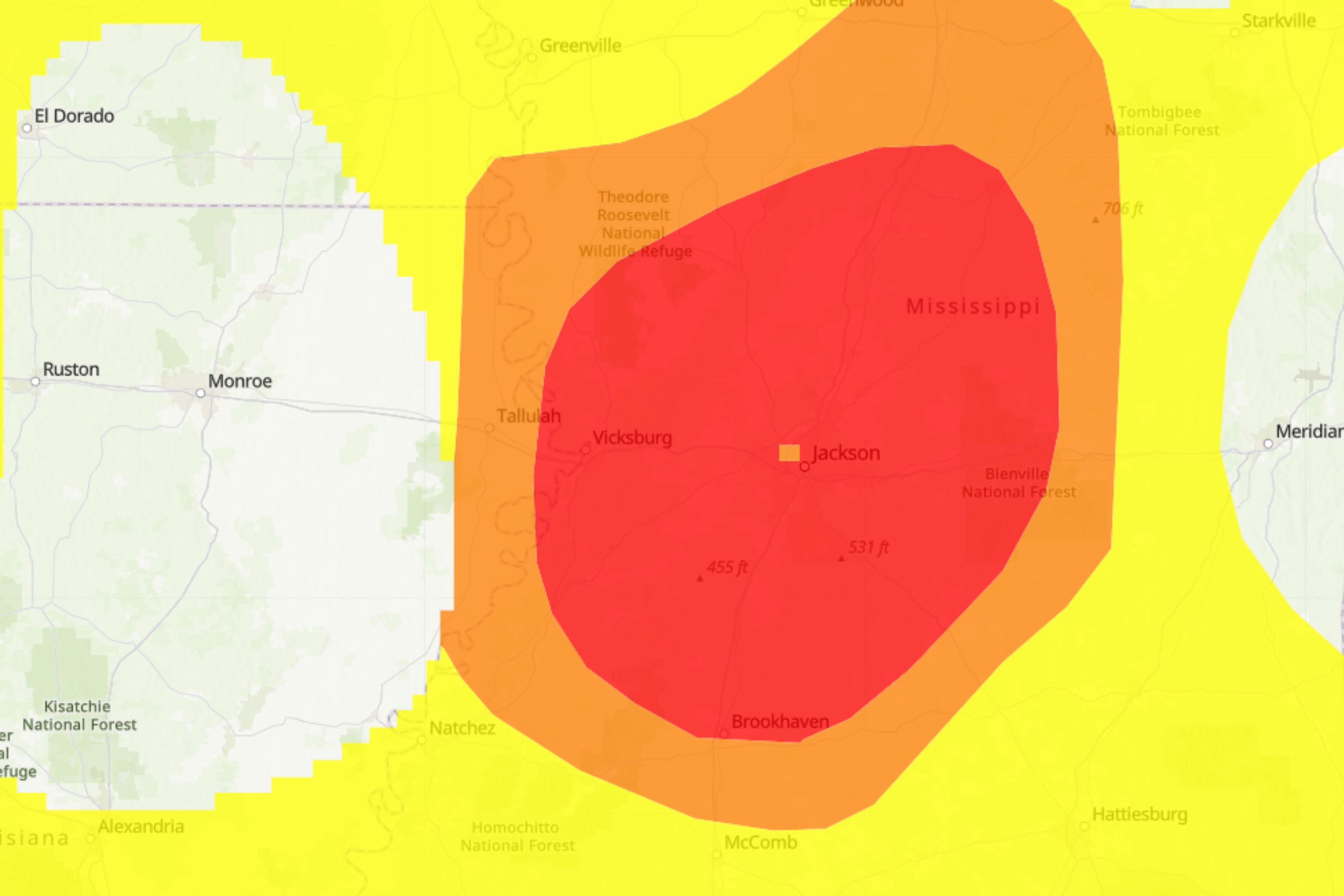
As of early Sunday morning, residents in Jackson, Mississippi, and neighboring regions are experiencing potentially harmful air pollution levels. Monitoring data from AirNow, a collaborative initiative involving the Environmental Protection Agency (EPA) and the National Oceanic and Atmospheric Administration (NOAA), indicates that fine particle (PM2.5) pollution has reached the “unhealthy” category centered over Jackson as of approximately 2:20 a.m. CST.
This pollution zone extends geographically to include:
- Vicksburg (west)
- Durant (north)
- Forest (east)
- Brookhaven (south)
Health Recommendations and Environmental Context
According to EPA guidelines aligned with Sustainable Development Goal (SDG) 3: Good Health and Well-being, sensitive groups are advised to avoid prolonged or intense outdoor activities and consider moving indoors. The general population is encouraged to reduce such activities and take frequent breaks outdoors to minimize health risks.
A meteorologist from the Mississippi Department of Environmental Quality (MDEQ) attributed the elevated PM2.5 levels to several factors:
- Prescribed fires and wildfires exacerbated by dry conditions amid moderate to severe drought (SDG 13: Climate Action).
- An extremely stable air mass caused by strong high pressure, which traps pollutants near the surface overnight.
- A low-level nocturnal inversion that further concentrates smoke and increases PM2.5 concentrations.
Daytime heating is expected to improve air mixing and reduce PM2.5 levels later in the morning and afternoon.
Air Quality Index (AQI) Scale and Its Implications
The Air Quality Index (AQI), a critical tool supporting SDG 11: Sustainable Cities and Communities, measures air pollution on a scale from 0 to 301 and above, with the following categories:
- 0-50 (Green): Good – Air quality is satisfactory with little or no health risk.
- 51-100 (Yellow): Moderate – Acceptable air quality but potential risk for sensitive individuals.
- 101-150 (Orange): Unhealthy for sensitive groups – Health effects possible for sensitive populations.
- 151-200 (Red): Unhealthy – Health effects possible for the general public; more serious for sensitive groups.
- 201-300 (Purple): Very unhealthy – Health alert with increased risk for everyone.
- 301 and higher (Maroon): Hazardous – Emergency health warnings affecting all individuals.
Understanding PM2.5 and Its Health Impact
PM2.5 refers to fine inhalable particles with diameters of 2.5 micrometers or smaller, approximately 30 times smaller than the diameter of a human hair. These particles originate from diverse sources such as construction sites, unpaved roads, fields, smokestacks, and fires.
According to the EPA, PM2.5 particles pose significant health risks as they can penetrate deep into the lungs and enter the bloodstream, contributing to respiratory and cardiovascular diseases. Addressing PM2.5 pollution aligns with SDG 3 by protecting public health and SDG 13 by mitigating environmental hazards.
Conclusion and Sustainable Development Implications
The current air pollution event in Jackson and surrounding areas underscores the importance of integrated environmental monitoring and public health advisories. Collaborative efforts between federal and state agencies exemplify progress towards achieving the Sustainable Development Goals, particularly:
- SDG 3: Ensuring healthy lives through air quality management.
- SDG 11: Promoting sustainable urban environments with clean air.
- SDG 13: Addressing climate-related factors contributing to pollution and drought.
Ongoing monitoring and community engagement remain critical to mitigating health risks and advancing sustainable development in the region.

Note: This report includes updates as of March 1, 2026, with additional information from the Mississippi Department of Environmental Quality.
1. Sustainable Development Goals (SDGs) Addressed or Connected
- SDG 3: Good Health and Well-being
- The article highlights health risks due to unhealthy air pollution levels, particularly PM2.5, affecting sensitive groups and the general population.
- SDG 11: Sustainable Cities and Communities
- Air quality in urban and surrounding areas such as Jackson, Vicksburg, and others is discussed, emphasizing the need for sustainable urban environments.
- SDG 13: Climate Action
- The article mentions drought conditions and wildfires contributing to air pollution, linking to climate-related environmental challenges.
- SDG 15: Life on Land
- Prescribed fires and wildfires affecting land and air quality are noted, relating to ecosystem and land management.
2. Specific Targets Under Those SDGs Identified
- SDG 3: Good Health and Well-being
- Target 3.9: Reduce the number of deaths and illnesses from hazardous chemicals and air, water, and soil pollution and contamination.
- SDG 11: Sustainable Cities and Communities
- Target 11.6: Reduce the adverse per capita environmental impact of cities, including air quality improvement.
- SDG 13: Climate Action
- Target 13.1: Strengthen resilience and adaptive capacity to climate-related hazards and natural disasters.
- SDG 15: Life on Land
- Target 15.3: Combat desertification, restore degraded land and soil, including land affected by drought and wildfires.
3. Indicators Mentioned or Implied to Measure Progress
- Air Quality Index (AQI)
- The article references the Air Quality Index scale (0-301+), which measures air pollution levels and categorizes health risk levels. This is a key indicator for monitoring air pollution and health impact.
- PM2.5 Concentration Levels
- Fine particulate matter (PM2.5) concentration is specifically mentioned as a pollutant to monitor, indicating its use as an indicator of air quality and health risk.
- Drought Severity
- The article notes moderate to severe drought conditions affecting the region, implying the use of drought indices or meteorological data as indicators for environmental stress.
- Incidence of Wildfires and Prescribed Fires
- References to wildfires and prescribed fires suggest monitoring fire occurrences as an indicator related to land management and air quality.
4. Table: SDGs, Targets and Indicators
| SDGs | Targets | Indicators |
|---|---|---|
| SDG 3: Good Health and Well-being | 3.9: Reduce deaths and illnesses from hazardous chemicals and air, water, and soil pollution and contamination. |
|
| SDG 11: Sustainable Cities and Communities | 11.6: Reduce the adverse per capita environmental impact of cities, including air quality improvement. |
|
| SDG 13: Climate Action | 13.1: Strengthen resilience and adaptive capacity to climate-related hazards and natural disasters. |
|
| SDG 15: Life on Land | 15.3: Combat desertification, restore degraded land and soil, including land affected by drought and wildfires. |
|
Source: newsweek.com
What is Your Reaction?
 Like
0
Like
0
 Dislike
0
Dislike
0
 Love
0
Love
0
 Funny
0
Funny
0
 Angry
0
Angry
0
 Sad
0
Sad
0
 Wow
0
Wow
0