




























































Tired of Guessing | What Adult Literacy Looks Like in Richmond – RVA Mag

Report on Adult Literacy Challenges and Sustainable Development Goals in Richmond
Introduction
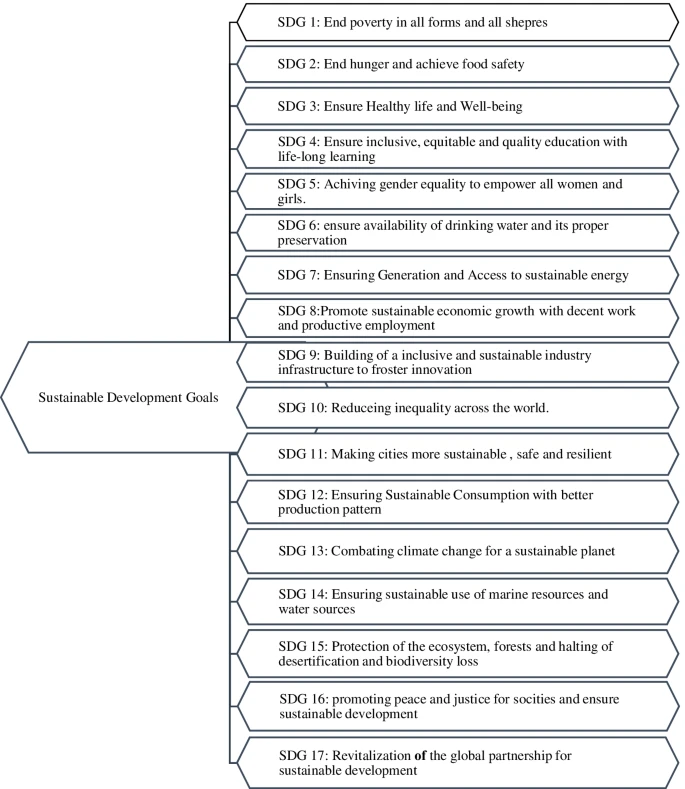
This report highlights the critical issue of adult literacy in Richmond, as presented by Mary Graham, CEO of READ RVA, a nonprofit organization dedicated to adult literacy. The discussion emphasizes the intersection of literacy challenges with the United Nations Sustainable Development Goals (SDGs), particularly SDG 4 (Quality Education), SDG 3 (Good Health and Well-being), and SDG 10 (Reduced Inequalities).
Context and Challenges of Adult Literacy in Richmond
- Prevalence of Low Literacy: Approximately 100,000 adults in the greater Richmond area lack functional reading skills, impacting their daily lives and economic participation.
- Misconceptions about Literacy: Literacy is often assumed to be a childhood-acquired skill, yet many adults face literacy challenges due to economic instability, underfunded education systems, incarceration, immigration, and trauma.
- Invisible Struggles: Adults with low literacy frequently develop coping mechanisms to hide their difficulties, which include avoiding medical appointments, feigning tiredness to avoid homework help, and relying on others for tasks requiring reading.
Impact on Sustainable Development Goals
- SDG 4 – Quality Education: Adult literacy programs like READ RVA contribute directly to inclusive and equitable quality education by providing learning opportunities beyond traditional schooling.
- SDG 3 – Good Health and Well-being: Literacy affects health outcomes as adults with low literacy may avoid healthcare due to complex paperwork, leading to untreated illnesses.
- SDG 10 – Reduced Inequalities: Addressing adult literacy reduces social and economic inequalities by empowering marginalized populations to participate fully in society.
Personal Narratives Illustrating Literacy Challenges
- A man on Broad Street who silently sought help reading directions, illustrating the hidden nature of literacy struggles.
- Parents knowledgeable about city bus routes but unable to read school notices, highlighting barriers to parental engagement in education.
- Adults avoiding healthcare due to fear of paperwork, demonstrating the intersection of literacy and health.
Broader Social Implications
Adult literacy is not merely an educational issue but a matter of dignity and inclusion. The stigma and shame associated with low literacy perpetuate silence and exclusion, undermining community cohesion and economic development. Richmond’s resilience is notable, yet it masks the endurance required by adults navigating systems not designed for them.
Recommendations for Sustainable Development
- Integrate Adult Literacy into Core Community Planning: Recognize adult literacy as essential to belonging and participation in Richmond, not as a peripheral charity effort.
- Design Inclusive Systems: Develop services and communications that accommodate varying literacy levels to reduce barriers in healthcare, housing, and employment.
- Support Adult Learners with Respect and Resources: Provide accessible learning opportunities that acknowledge the courage and complexity of adult education journeys.
- Raise Awareness and Reduce Stigma: Promote community understanding of adult literacy challenges to foster empathy and support.
Conclusion
Addressing adult literacy in Richmond aligns with achieving multiple Sustainable Development Goals by promoting quality education, health, and reduced inequalities. The efforts of organizations like READ RVA demonstrate the importance of viewing literacy as a lifelong right and necessity. To build an inclusive city, stakeholders must recognize and support the silent struggles of adult learners, ensuring no one is left to navigate alone.
1. Sustainable Development Goals (SDGs) Addressed
- SDG 4: Quality Education – The article focuses on adult literacy, highlighting challenges adults face in reading and the importance of education beyond childhood.
- SDG 1: No Poverty – Literacy is linked to economic stability, job opportunities, and overcoming poverty-related barriers.
- SDG 3: Good Health and Well-being – The article mentions adults avoiding medical care due to literacy challenges, connecting literacy to health outcomes.
- SDG 10: Reduced Inequalities – The discussion on systemic barriers, including economic instability, incarceration, and immigration, relates to reducing inequalities.
- SDG 11: Sustainable Cities and Communities – The article emphasizes designing cities that are inclusive and navigable for all residents, including those with literacy challenges.
2. Specific Targets Under the Identified SDGs
- SDG 4: Quality Education
- Target 4.6: Ensure that all youth and a substantial proportion of adults, both men and women, achieve literacy and numeracy.
- SDG 1: No Poverty
- Target 1.4: Ensure that all men and women have equal rights to economic resources, including access to basic services.
- SDG 3: Good Health and Well-being
- Target 3.8: Achieve universal health coverage, including access to quality essential health-care services.
- SDG 10: Reduced Inequalities
- Target 10.2: Empower and promote the social, economic and political inclusion of all, irrespective of age, sex, disability, race, ethnicity, origin, religion or economic or other status.
- SDG 11: Sustainable Cities and Communities
- Target 11.3: Enhance inclusive and sustainable urbanization and capacity for participatory, integrated and sustainable human settlement planning and management.
3. Indicators Mentioned or Implied to Measure Progress
- Indicator for Target 4.6 (SDG 4): Proportion of population in a given age group achieving at least a fixed level of proficiency in functional literacy and numeracy skills.
- Indicator for Target 1.4 (SDG 1): Proportion of population living below the national poverty line, disaggregated by literacy level or educational attainment.
- Indicator for Target 3.8 (SDG 3): Coverage of essential health services, potentially linked to literacy levels affecting access and utilization.
- Indicator for Target 10.2 (SDG 10): Measures of social and economic inclusion, such as access to services and participation in community life, which literacy impacts.
- Indicator for Target 11.3 (SDG 11): Proportion of urban population living in slums or informal settlements, and measures of urban inclusivity, which can be affected by literacy and accessibility.
4. Summary Table of SDGs, Targets, and Indicators
| SDGs | Targets | Indicators |
|---|---|---|
| SDG 4: Quality Education | 4.6: Ensure all youth and a substantial proportion of adults achieve literacy and numeracy. | Proportion of population achieving functional literacy and numeracy. |
| SDG 1: No Poverty | 1.4: Ensure equal rights to economic resources and access to basic services. | Proportion of population below poverty line, disaggregated by literacy/education. |
| SDG 3: Good Health and Well-being | 3.8: Achieve universal health coverage and access to quality health services. | Coverage of essential health services linked to literacy levels. |
| SDG 10: Reduced Inequalities | 10.2: Promote social, economic and political inclusion of all. | Measures of social and economic inclusion influenced by literacy. |
| SDG 11: Sustainable Cities and Communities | 11.3: Enhance inclusive and sustainable urbanization and participatory planning. | Proportion of urban population in inclusive settings; urban accessibility metrics. |
Source: rvamag.com
What is Your Reaction?
 Like
0
Like
0
 Dislike
0
Dislike
0
 Love
0
Love
0
 Funny
0
Funny
0
 Angry
0
Angry
0
 Sad
0
Sad
0
 Wow
0
Wow
0