

























































West Coast Waters Experiencing Another Large Marine Heatwave – NOAA Fisheries (.gov)

Report on the West Coast Marine Heatwave and Its Implications for Sustainable Development Goals
Overview of the Marine Heatwave Event
Since the summer of 2025, a massive marine heatwave has persisted in the waters off the West Coast of the United States. This event marks only the third recorded instance of such an extensive and prolonged warming of coastal ocean waters, notably continuing into the winter months without being associated with an El Niño phenomenon, according to NOAA scientists. NOAA Fisheries and partner organizations are actively monitoring potential impacts, including harmful algal blooms that can adversely affect marine mammals and result in the closure of shellfish fisheries.
Significance in the Context of Sustainable Development Goals (SDGs)
- SDG 14: Life Below Water – The heatwave poses significant threats to marine biodiversity and ecosystem health, necessitating enhanced monitoring and conservation efforts.
- SDG 13: Climate Action – The event underscores the urgent need for climate resilience strategies to mitigate ocean warming impacts.
- SDG 1: No Poverty and SDG 8: Decent Work and Economic Growth – The closure of fisheries affects livelihoods and economic stability in coastal communities.
Third Time as Warm: Historical and Scientific Context
In September 2025, the marine heatwave reached temperatures comparable to the 2013–2016 event known as “The Blob,” with surface waters along the West Coast rising approximately 3 to 4 degrees Fahrenheit above normal. On September 9, 2025, the northeast Pacific recorded its highest average temperature ever at 20.6°C (69°F), nearly half a degree warmer than previous records. Historical data indicate that such heatwaves disrupt marine ecosystems, causing species shifts, die-offs, and ecosystem imbalances.

Monitoring and Forecasting Efforts
Andrew Leising, research oceanographer at NOAA Fisheries’ Southwest Fisheries Science Center, operates the California Current Marine Heatwave Tracker, which compiles data from satellites, ships, and buoys since 2019. Despite the current La Niña conditions, coastal water temperatures remain anomalously high, presenting unprecedented challenges for interpretation and response.
Ecological and Economic Impacts of Heatwaves
Species Distribution and Ecosystem Disruption
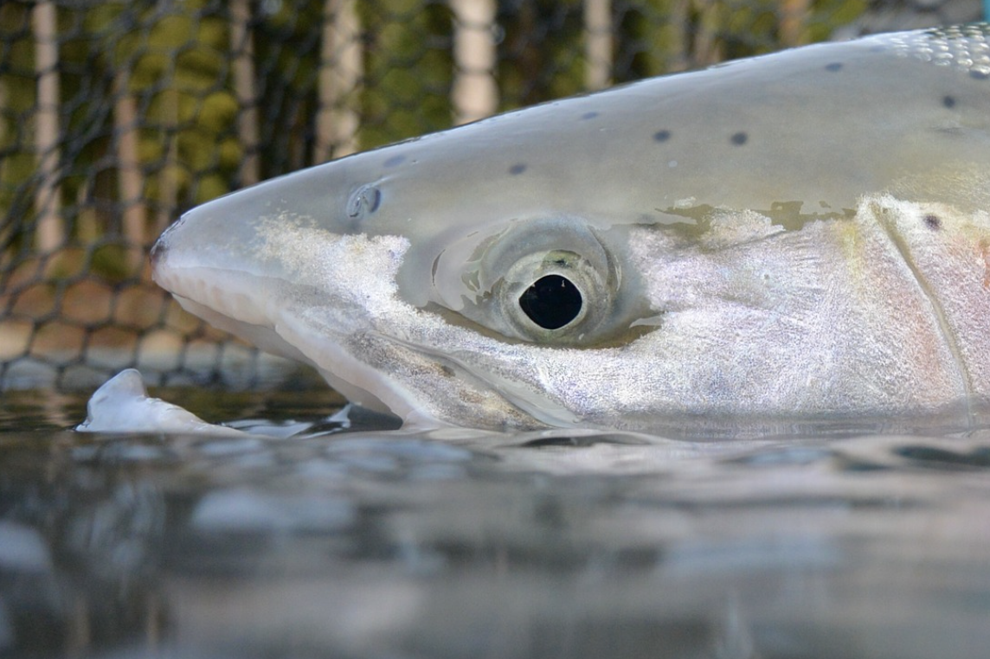
The heatwave has resulted in unusual species distributions, such as increased tuna catches in Alaska. Previous heatwaves have been linked to reduced salmon survival rates, impacting both ecosystems and fisheries. These changes highlight the vulnerability of marine life to temperature anomalies and the importance of adaptive management.
Harmful Algal Blooms and Marine Health
- Early and intense harmful algal blooms, as experienced in Southern California in 2025, have caused mass mortalities among sea lions, dolphins, and seabirds.
- Such blooms also threaten shellfish fisheries, leading to closures that affect local economies and food security.
Projections and Future Considerations for 2026
While the current marine heatwave rivals previous events in spatial extent, its ecological impact has been less severe due to shallower penetration and shorter duration near the coast. NOAA forecasts indicate potential dissipation of warm surface waters through mixing with cooler subsurface waters. However, the risk remains that residual warm waters could fuel further harmful algal blooms.
Implications for Sustainable Development and Ocean Stewardship
- Enhanced Monitoring: Continued development of forecasting tools and ecosystem assessments to anticipate and mitigate heatwave impacts.
- Community Engagement: Collaboration with fishing fleets and coastal stakeholders to gather real-time observations and adapt management strategies.
- Policy Integration: Incorporation of marine heatwave data into climate adaptation policies to support SDG 13 and SDG 14 objectives.
As Andrew Leising emphasizes, the unprecedented nature of these conditions demands cautious interpretation and comprehensive ecosystem-based approaches to understand and respond effectively.
Call to Action
Members of the public are encouraged to report stranded marine mammals such as sea lions and dolphins to the West Coast Region Stranding Hotline at (866) 767-6114, supporting conservation and response efforts aligned with SDG 15: Life on Land and SDG 14: Life Below Water.
1. Sustainable Development Goals (SDGs) Addressed or Connected
- SDG 14: Life Below Water
- The article focuses on marine heatwaves affecting ocean temperatures, marine ecosystems, species distribution, and harmful algal blooms, all of which directly relate to the conservation and sustainable use of oceans, seas, and marine resources.
- SDG 13: Climate Action
- The article discusses the unprecedented marine heatwave and its relation to changing ocean temperatures, which are linked to climate variability and change, emphasizing the need for climate action and adaptation.
- SDG 15: Life on Land
- Indirectly connected through the impact of harmful algal blooms on marine mammals and seabirds, affecting biodiversity on land and coastal ecosystems.
- SDG 1: No Poverty and SDG 8: Decent Work and Economic Growth
- The closure of shellfish fisheries due to harmful algal blooms impacts coastal economies and livelihoods, linking to poverty reduction and sustainable economic growth.
2. Specific Targets Under Those SDGs Identified
- SDG 14: Life Below Water
- Target 14.2: Sustainably manage and protect marine and coastal ecosystems to avoid significant adverse impacts, including by strengthening their resilience and taking action for their restoration.
- Target 14.4: Effectively regulate harvesting and end overfishing, illegal, unreported and unregulated fishing, and destructive fishing practices to restore fish stocks.
- Target 14.3: Minimize and address the impacts of ocean acidification, including through enhanced scientific cooperation at all levels.
- SDG 13: Climate Action
- Target 13.1: Strengthen resilience and adaptive capacity to climate-related hazards and natural disasters in all countries.
- Target 13.3: Improve education, awareness-raising and human and institutional capacity on climate change mitigation, adaptation, impact reduction, and early warning.
- SDG 15: Life on Land
- Target 15.5: Take urgent and significant action to reduce the degradation of natural habitats, halt the loss of biodiversity, and protect and prevent the extinction of threatened species.
- SDG 1: No Poverty and SDG 8: Decent Work and Economic Growth
- Target 1.4: Ensure that all men and women have equal rights to economic resources, including access to basic services and ownership of land and other forms of property.
- Target 8.9: Devise and implement policies to promote sustainable tourism that creates jobs and promotes local culture and products.
3. Indicators Mentioned or Implied to Measure Progress
- Indicators Related to SDG 14
- Sea surface temperature anomalies (SSTa) and average ocean temperatures as measured by satellites, ships, and buoys to monitor marine heatwaves.
- Frequency and extent of harmful algal blooms affecting marine life and fisheries closures.
- Population and health status of marine mammals and fish species such as salmon and tunas.
- Changes in fish stock abundance and distribution, especially salmon survival rates.
- Indicators Related to SDG 13
- Records of marine heatwave occurrences, duration, and intensity as climate-related hazards.
- Forecasting and early warning systems for marine heatwaves and harmful algal blooms.
- Indicators Related to SDG 15
- Number of marine mammals and seabirds affected or killed by harmful algal blooms.
- Incidence of species shifting habitats due to changing ocean conditions.
- Indicators Related to SDG 1 and 8
- Economic impact measurements from fishery closures and loss of livelihoods in coastal communities.
4. Table of SDGs, Targets, and Indicators
| SDGs | Targets | Indicators |
|---|---|---|
| SDG 14: Life Below Water |
|
|
| SDG 13: Climate Action |
|
|
| SDG 15: Life on Land |
|
|
| SDG 1: No Poverty & SDG 8: Decent Work and Economic Growth |
|
|
Source: fisheries.noaa.gov
What is Your Reaction?
 Like
0
Like
0
 Dislike
0
Dislike
0
 Love
0
Love
0
 Funny
0
Funny
0
 Angry
0
Angry
0
 Sad
0
Sad
0
 Wow
0
Wow
0