
























































Water board adds teeth to new consolidation order for East Orosi – SJV Water

Report on Water System Consolidation in Tulare County Towns: Advancing Sustainable Development Goals
Introduction
On February 27, a new consolidation order was issued by the State Water Resources Control Board, mandating the consolidation of water systems in two small Tulare County towns. This updated order includes a clear, enforceable timeline with milestone deadlines and a completion date set for December 1, 2027. The consolidation effort aligns with several Sustainable Development Goals (SDGs), particularly SDG 6: Clean Water and Sanitation, and SDG 11: Sustainable Cities and Communities.
Background and Challenges
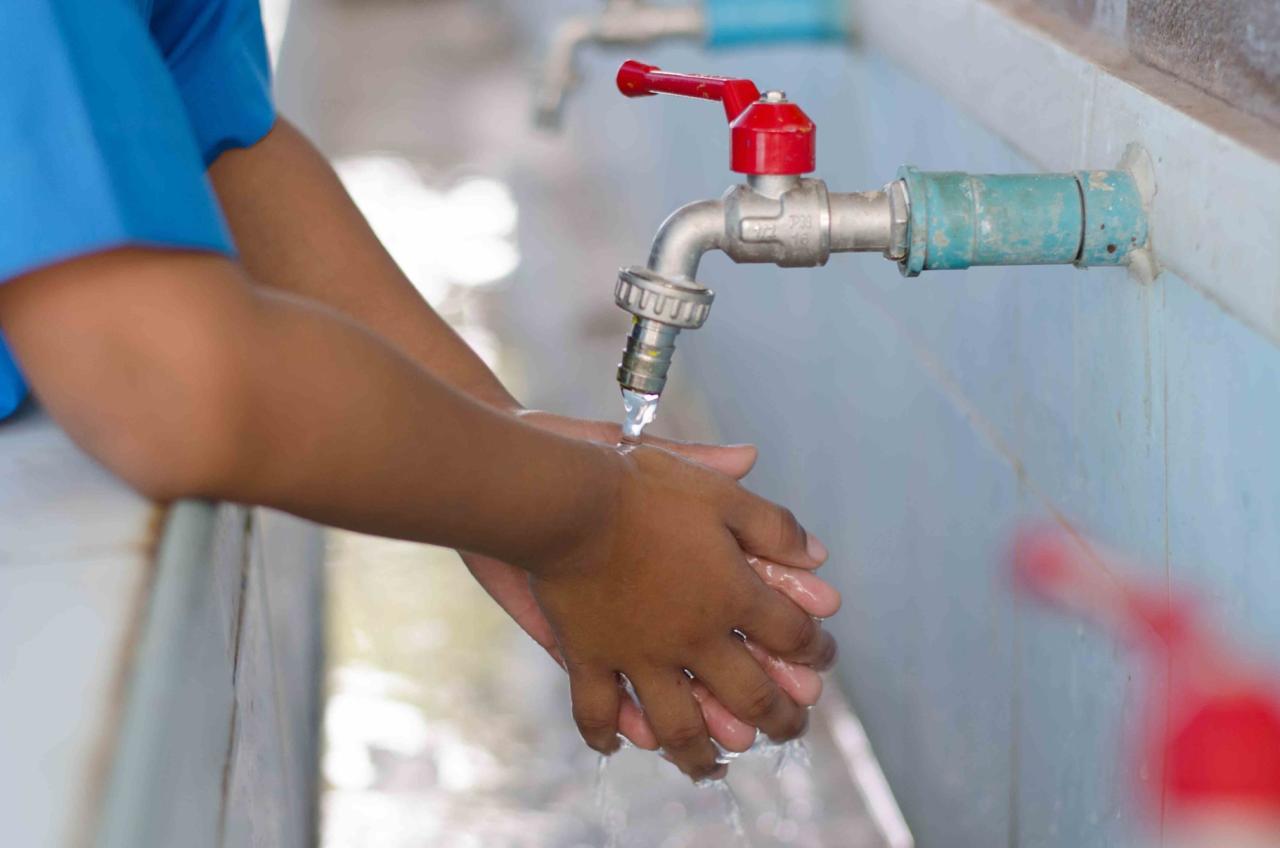
The new order replaces all prior directives since 2020, when the initial mandate aimed to provide clean drinking water to East Orosi’s 420 residents. The community’s groundwater has been unsafe due to nitrate contamination and aging infrastructure, forcing residents to rely on emergency hauled and bottled water for over 14 years at a cost exceeding $1.2 million.
Despite legislative support, including three bills signed by Governor Gavin Newsom to address water issues in East Orosi, project implementation has been delayed. Key challenges include political stalemates and infighting between the Orosi Public Utilities District (PUD) and East Orosi Community Services District (CSD), which are geographically separated by only one mile.
Administrative Actions and Management
- In 2022, Tulare County was appointed administrator of East Orosi’s water system to assist residents with domestic well services.
- In 2025, the county took over administration of the wastewater system, restoring its fragile operations.
- County authorities assumed billing responsibilities following complaints of financial mismanagement.
These administrative measures support SDG 16: Peace, Justice, and Strong Institutions by promoting effective governance and accountability in water management.
Consolidation Project Details
The $13.5 million consolidation project includes the following components:
- Construction of a new groundwater well with a production capacity of approximately 1,200 gallons per minute.
- Installation of a water supply connection (meter and lateral) on the Family Education Center water system.
Within East Orosi:
- Construction of approximately 9,450 feet of 8-inch diameter waterline distribution system.
- Construction of a new 360,000-gallon storage tank.
- Installation of water supply connections (meters and laterals) for approximately 101 residential and 2 commercial service connections.
- Decommissioning and proper abandonment of existing Wells 1 (East) and 2 (West).
Within Orosi PUD:
- Construction of approximately 6,700 feet of 8-inch to 10-inch diameter waterline to convey water from Orosi PUD to East Orosi.
- Construction of approximately 5,050 feet of 10-inch pipeline connecting the well site to Orosi PUD.
Project Timeline and Expectations
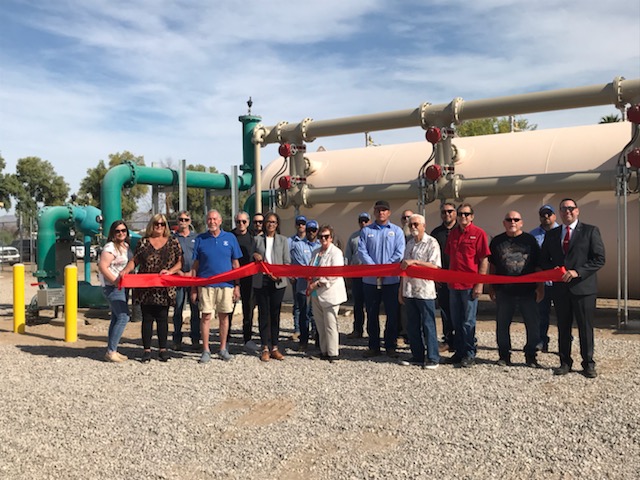
A groundbreaking ceremony is tentatively scheduled for late April, with project completion anticipated within a year and a half, as stated by Denise England, Tulare County grants and resources manager.
Impact and Broader Context
Since 2019, the State Water Board’s Safe and Affordable Funding for Equity and Resilience (SAFER) drinking water program has facilitated 180 consolidations across California, benefiting approximately 362,000 people, predominantly in disadvantaged communities. This initiative supports SDG 10: Reduced Inequalities by ensuring equitable access to safe drinking water.
The Water Board finances the consolidation projects it mandates, and the resulting larger water systems benefit from expanded customer bases, promoting economic sustainability and resilience (SDG 8: Decent Work and Economic Growth).
Conclusion
The consolidation of water systems in East Orosi and Orosi PUD represents a critical step towards achieving sustainable water management and improving public health in disadvantaged communities. The project directly contributes to multiple Sustainable Development Goals, including:
- SDG 6: Ensuring availability and sustainable management of water and sanitation for all.
- SDG 11: Making cities and human settlements inclusive, safe, resilient, and sustainable.
- SDG 16: Promoting effective, accountable, and inclusive institutions.
- SDG 10: Reducing inequalities within and among communities.
- SDG 8: Supporting sustained economic growth through infrastructure development.
Continued commitment and collaboration among stakeholders are essential to meet the project deadlines and deliver safe, reliable water services to the affected populations.
1. Sustainable Development Goals (SDGs) Addressed or Connected
- SDG 6: Clean Water and Sanitation
- The article focuses on providing clean drinking water to East Orosi, addressing water contamination and infrastructure issues.
- SDG 11: Sustainable Cities and Communities
- The consolidation of water systems and infrastructure improvements contribute to making communities safer and more sustainable.
- SDG 3: Good Health and Well-being
- Ensuring access to safe drinking water reduces health risks associated with nitrate contamination.
- SDG 17: Partnerships for the Goals
- The collaboration between state agencies, local utilities, and communities reflects partnerships to achieve sustainable development.
2. Specific Targets Under Those SDGs Identified
- SDG 6: Clean Water and Sanitation
- Target 6.1: Achieve universal and equitable access to safe and affordable drinking water for all.
- Target 6.a: Expand international cooperation and capacity-building support to developing countries in water- and sanitation-related activities.
- SDG 11: Sustainable Cities and Communities
- Target 11.1: Ensure access for all to adequate, safe and affordable housing and basic services.
- SDG 3: Good Health and Well-being
- Target 3.9: Reduce the number of deaths and illnesses from hazardous chemicals and air, water and soil pollution and contamination.
- SDG 17: Partnerships for the Goals
- Target 17.17: Encourage and promote effective public, public-private and civil society partnerships.
3. Indicators Mentioned or Implied to Measure Progress
- Indicator for SDG 6.1:
- Proportion of population using safely managed drinking water services — implied by the efforts to provide clean water and consolidate water systems.
- Indicator for SDG 6.a:
- Amount of water- and sanitation-related official development assistance that is part of a government-coordinated spending plan — implied by state funding and support for the consolidation project.
- Indicator for SDG 3.9:
- Mortality rate attributed to unsafe water, unsafe sanitation and lack of hygiene — implied by addressing nitrate contamination and providing safe water.
- Indicator for SDG 11.1:
- Proportion of urban population living in slums, informal settlements or inadequate housing — indirectly related as infrastructure improvements reduce inadequate service.
- Indicator for SDG 17.17:
- Number of partnerships involving public, private and civil society sectors — implied by the cooperation between Water Resources Control Board, local utilities, and community services.
4. Table of SDGs, Targets, and Indicators
| SDGs | Targets | Indicators |
|---|---|---|
| SDG 6: Clean Water and Sanitation |
|
|
| SDG 11: Sustainable Cities and Communities |
|
|
| SDG 3: Good Health and Well-being |
|
|
| SDG 17: Partnerships for the Goals |
|
|
Source: sjvwater.org
What is Your Reaction?
 Like
0
Like
0
 Dislike
0
Dislike
0
 Love
0
Love
0
 Funny
0
Funny
0
 Angry
0
Angry
0
 Sad
0
Sad
0
 Wow
0
Wow
0