























































Campaigners oppose Peak Cluster carbon capture project – BBC

Report on the Peak Cluster De-Carbonisation Project and Community Response
Introduction
A major £28.6 million de-carbonisation initiative, known as the Peak Cluster project, is proposed in the Peak District. This project aims to capture carbon dioxide emissions from three cement and lime production plants and transport the captured CO₂ via pipeline to a storage facility beneath the Irish Sea.
Project Overview and Sustainable Development Goals (SDGs) Alignment
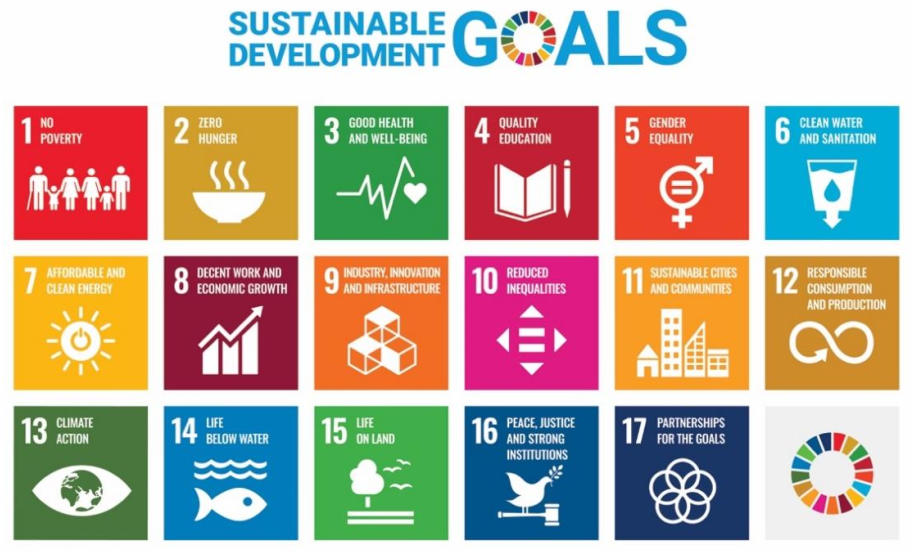
The Peak Cluster project aligns with several United Nations Sustainable Development Goals, particularly:
- SDG 13: Climate Action – by capturing and storing three million tonnes of CO₂ annually, the project aims to significantly reduce greenhouse gas emissions.
- SDG 9: Industry, Innovation and Infrastructure – through the implementation of advanced carbon capture and storage (CCS) technology.
- SDG 15: Life on Land – with commitments to restore land post-construction and enhance biodiversity.
Community Concerns and Environmental Impact
Despite the environmental benefits, local residents and campaigners have expressed concerns regarding the project’s impact on the Peak District’s landscape and visitor experience.
- Visual and Environmental Impact: Residents fear the construction phase, which will last several years, will industrialise the countryside, affecting millions of annual visitors and spoiling the natural beauty of the area.
- Preservation of Natural Habitats: There is apprehension about potential damage to local ecosystems during pipeline installation.
- Technological Uncertainty: Some campaigners question the reliability of CCS technology and advocate for exploring alternative carbon capture and reuse technologies.
Project Details and Technical Aspects
- Sites Involved: The project targets three key sites—Tunstead Quarry near Buxton, Hope in Derbyshire, and Cauldon in Staffordshire—which collectively produce up to 40% of the UK’s cement and lime.
- Carbon Capture Process: CO₂ emissions generated during cement and lime manufacturing will be captured at source.
- Transportation and Storage: Captured CO₂ will be transferred through a pipeline running across Derbyshire and Cheshire to the Wirral, then stored in a depleted gas reservoir under the East Irish Sea.
- Storage Capacity: The reservoir can safely store approximately 1 billion tonnes of CO₂, sufficient for around 330 years of emissions from the involved plants.
Stakeholder Engagement and Environmental Safeguards
- The project team will collaborate with environmental experts, including Natural England and the Environment Agency, to minimize ecological disruption during construction.
- Post-installation, the land above the pipeline will be restored to its original condition.
- Commitments include working with local groups to enhance biodiversity, aiming to leave habitats in a better state than before the project commenced.
Official Position and Regulatory Framework
The Peak District National Park Authority has acknowledged the project’s national significance and noted that the government will make the final decision rather than local planners. The authority also highlighted that the installation will have a significant visual impact during its operational lifetime, though this is not considered a permanent landscape alteration.
Community Voices
- Local Resident Concerns: Laura Stark from Castleton expressed worries about the project’s effect on tourism and the natural sanctuary the Peak District provides for residents.
- Alternative Perspectives: Laura Beveridge-Muircroft from the Wirral, representing Action Against Carbon Capture and Storage, advocates for government scrutiny and exploration of alternative carbon capture technologies that focus on carbon reuse and energy generation.
Conclusion
The Peak Cluster project represents a significant effort towards achieving SDG 13 (Climate Action) by aiming to drastically reduce industrial carbon emissions. However, balancing environmental sustainability with community concerns and preserving the natural landscape remains a critical challenge. Ongoing stakeholder engagement and adherence to environmental safeguards will be essential for the project’s success and alignment with the broader Sustainable Development Goals.
Additional Information
- Peak Cluster Official Website
- Related topics include the Metropolitan Borough of Wirral, carbon dioxide, and Derbyshire.
1. Sustainable Development Goals (SDGs) Addressed or Connected
- SDG 13: Climate Action
- The article discusses a £28.6m de-carbonisation project aimed at capturing and storing carbon dioxide emissions from cement and lime plants, directly addressing climate change mitigation.
- SDG 9: Industry, Innovation and Infrastructure
- The project involves innovative carbon capture and storage technology and infrastructure development (pipeline and storage facilities).
- SDG 15: Life on Land
- Concerns about the environmental and visual impact on the Peak District, a natural landscape, relate to protecting terrestrial ecosystems and biodiversity.
- SDG 11: Sustainable Cities and Communities
- The project impacts local communities, including concerns about industrialization of countryside and effects on tourism and residents’ quality of life.
2. Specific Targets Under Those SDGs Identified
- SDG 13: Climate Action
- Target 13.2: Integrate climate change measures into national policies, strategies, and planning – the project aims to contribute to net zero goals by capturing 3 million tonnes of CO₂ annually.
- SDG 9: Industry, Innovation and Infrastructure
- Target 9.4: Upgrade infrastructure and retrofit industries to make them sustainable, with increased resource-use efficiency and greater adoption of clean technologies – the project uses carbon capture and storage technology.
- SDG 15: Life on Land
- Target 15.1: Ensure the conservation, restoration and sustainable use of terrestrial and inland freshwater ecosystems and their services – the project commits to working with local groups to boost biodiversity and restore habitats post-construction.
- SDG 11: Sustainable Cities and Communities
- Target 11.4: Strengthen efforts to protect and safeguard the world’s cultural and natural heritage – concerns about visual impact and preservation of the Peak District landscape are relevant here.
3. Indicators Mentioned or Implied to Measure Progress
- Indicator for SDG 13.2
- Amount of carbon dioxide captured and prevented from entering the atmosphere (3 million tonnes of CO₂ annually).
- Capacity of carbon storage (1 billion tonnes of CO₂ storage capacity under the Irish Sea).
- Indicator for SDG 9.4
- Implementation and operational status of carbon capture and storage infrastructure (pipeline installation and storage facility operation).
- Independent environmental assessments and compliance with regulatory bodies such as Natural England and the Environment Agency.
- Indicator for SDG 15.1
- Measures of biodiversity improvement and habitat restoration post-construction as committed by the project.
- Indicator for SDG 11.4
- Assessment of visual and environmental impact on the Peak District landscape during and after construction.
- Community feedback and stakeholder engagement outcomes regarding the preservation of natural heritage.
4. Table of SDGs, Targets and Indicators
| SDGs | Targets | Indicators |
|---|---|---|
| SDG 13: Climate Action | 13.2: Integrate climate change measures into policies and planning |
|
| SDG 9: Industry, Innovation and Infrastructure | 9.4: Upgrade infrastructure and retrofit industries for sustainability |
|
| SDG 15: Life on Land | 15.1: Conservation and restoration of terrestrial ecosystems |
|
| SDG 11: Sustainable Cities and Communities | 11.4: Protect and safeguard natural heritage |
|
Source: bbc.co.uk
What is Your Reaction?
 Like
0
Like
0
 Dislike
0
Dislike
0
 Love
0
Love
0
 Funny
0
Funny
0
 Angry
0
Angry
0
 Sad
0
Sad
0
 Wow
0
Wow
0