




























































Rev1 Energy and Tracker Technologies Anchor HVM Racing’s IndyCar Nuclear Clean Air Energy and Medicine Campaign – Speedway Digest

Report on the Return of the Nuclear Clean Air Energy and Medicine Campaign to the NTT INDYCAR Series
Introduction
HVM Racing, in collaboration with its Nuclear Clean Air Energy and Medicine Campaign (NCAEM) and anchor partners Rev1 Energy and Tracker Technologies, has announced the campaign’s return to the NTT INDYCAR Series for the 2026 season. The initiative will be featured on the No. 76 Juncos Hollinger Racing Chevrolet, driven by Rinus VeeKay.
Campaign Overview and Alignment with Sustainable Development Goals (SDGs)
The NCAEM Campaign utilizes the global platform of IndyCar racing to advocate for high-performance engineering that supports the nuclear renaissance. This initiative aligns closely with several United Nations Sustainable Development Goals, including:
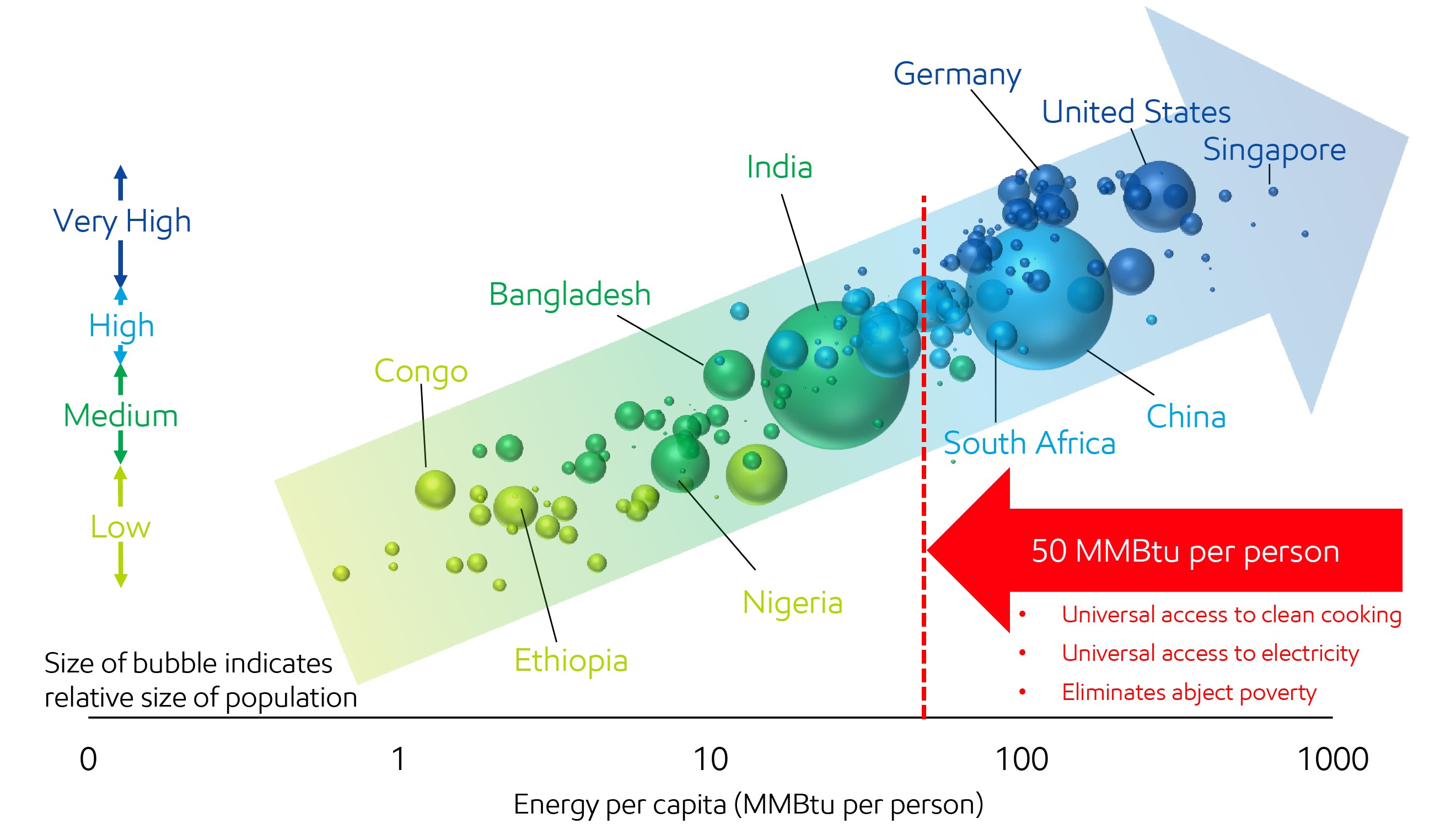
- SDG 7: Affordable and Clean Energy – Promoting reliable, high-density, carbon-free nuclear energy as a foundation for future energy stability amid rising demand driven by AI, electrification, automation, and data infrastructure.
- SDG 9: Industry, Innovation, and Infrastructure – Supporting next-generation nuclear reactors such as Small Modular Reactors (SMRs) and advanced modular designs to accelerate deployment and infrastructure resilience.
- SDG 3: Good Health and Well-being – Highlighting the critical role of nuclear technologies in healthcare, including advanced diagnostic imaging and targeted cancer treatments through nuclear medicine.
Role of Nuclear Technologies in Energy and Healthcare
- Energy Generation: Nuclear power provides a carbon-free, reliable energy source essential for meeting increasing global energy demands sustainably.
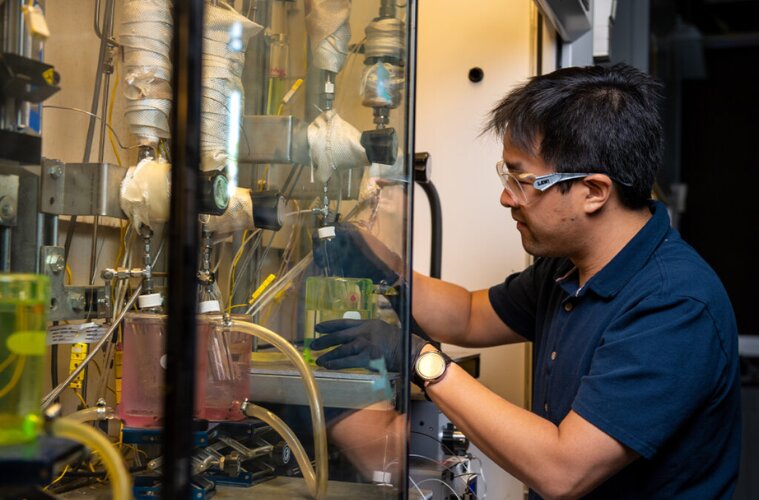
- Healthcare Applications: Nuclear medicine enables advanced diagnostic techniques and targeted cancer therapies. Medical isotopes produced in nuclear reactors, such as Lutetium-177, are vital for PET imaging and life-saving radiotherapies, supporting modern precision medicine.
Partnership and Commitment to Innovation
Anchor sponsors Rev1 Energy and Tracker Technologies contribute to practical solutions facilitating next-generation nuclear deployment, infrastructure resilience, digital integration, and clean-energy workforce development. Their partnership underscores a shared commitment to:
- Innovation and excellence in nuclear technology
- Long-term leadership in sustainable energy
- Supporting workforce development aligned with SDG 8: Decent Work and Economic Growth
Statements from Leadership
Ricky Ehrgott, CEO of Rev1 Energy and Tracker Technologies, emphasized the campaign’s relevance:
“Energy demand continues to grow, and nuclear power must remain front and center in that discussion. Nuclear technologies are also critical to modern healthcare, from advanced diagnostics to targeted therapies.”
Event and Outreach
The Java House Grand Prix of Arlington, attracting significant live and broadcast audiences, serves as a strategic platform for promoting the campaign’s mission. It highlights the importance of clean energy and life-saving nuclear medicine, advancing public understanding and support critical for sustainable development.
Conclusion
The return of the Nuclear Clean Air Energy and Medicine Campaign to the NTT INDYCAR Series represents a significant step towards advancing multiple Sustainable Development Goals through the promotion of nuclear energy and medicine. The collaboration between HVM Racing, Rev1 Energy, and Tracker Technologies exemplifies a commitment to sustainable innovation, public engagement, and the acceleration of clean energy solutions.
1. Sustainable Development Goals (SDGs) Addressed in the Article
- SDG 7: Affordable and Clean Energy
- The article emphasizes the importance of nuclear energy as a reliable, high-density, carbon-free energy source essential for future energy stability and meeting rising demand driven by AI, electrification, and automation.
- SDG 3: Good Health and Well-being
- Nuclear medicine’s role in advanced diagnostic imaging and targeted cancer treatments highlights contributions to improving health outcomes and life-saving therapies.
- SDG 9: Industry, Innovation, and Infrastructure
- The campaign’s focus on next-generation nuclear technologies, infrastructure resilience, digital integration, and workforce development aligns with fostering innovation and building resilient infrastructure.
- SDG 13: Climate Action
- Promotion of carbon-free nuclear energy supports climate action by reducing greenhouse gas emissions.
2. Specific Targets Under the Identified SDGs
- SDG 7: Affordable and Clean Energy
- Target 7.2: Increase substantially the share of renewable energy in the global energy mix, which includes low-carbon nuclear energy.
- Target 7.a: Enhance international cooperation to facilitate access to clean energy research and technology.
- SDG 3: Good Health and Well-being
- Target 3.4: Reduce premature mortality from non-communicable diseases through prevention and treatment, including cancer therapies.
- Target 3.b: Support research and development of vaccines and medicines for communicable and non-communicable diseases.
- SDG 9: Industry, Innovation, and Infrastructure
- Target 9.5: Enhance scientific research and upgrade technological capabilities of industrial sectors.
- Target 9.c: Increase access to information and communications technology and strive to provide universal and affordable access to the Internet.
- SDG 13: Climate Action
- Target 13.2: Integrate climate change measures into national policies, strategies, and planning, including clean energy solutions.
3. Indicators Mentioned or Implied in the Article
- SDG 7 Indicators
- Proportion of energy from nuclear sources in the total energy mix (Indicator 7.2.1).
- Investment in clean energy research and development (related to Target 7.a).
- SDG 3 Indicators
- Mortality rate attributed to cancer and other non-communicable diseases (Indicator 3.4.1).
- Coverage of essential health services including cancer diagnostics and treatments (Indicator 3.b.1).
- SDG 9 Indicators
- Research and development expenditure as a proportion of GDP (Indicator 9.5.1).
- Access to digital infrastructure and integration in energy and healthcare sectors (implied).
- SDG 13 Indicators
- Policies and strategies implemented to reduce greenhouse gas emissions (Indicator 13.2.1).
4. Table of SDGs, Targets, and Indicators
| SDGs | Targets | Indicators |
|---|---|---|
| SDG 7: Affordable and Clean Energy |
|
|
| SDG 3: Good Health and Well-being |
|
|
| SDG 9: Industry, Innovation, and Infrastructure |
|
|
| SDG 13: Climate Action |
|
|
Source: speedwaydigest.com
What is Your Reaction?
 Like
0
Like
0
 Dislike
0
Dislike
0
 Love
0
Love
0
 Funny
0
Funny
0
 Angry
0
Angry
0
 Sad
0
Sad
0
 Wow
0
Wow
0