

























































Amid Real but Unequal Progress, Breakthrough Still Possible: UN Stats Report
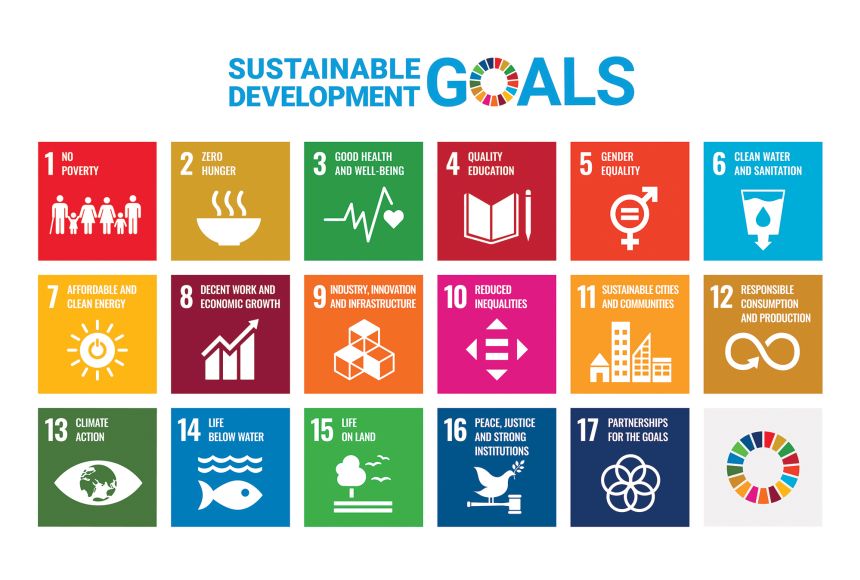
The Department of Economic and Social Affairs just released its annual report tracking the SDGs. The report shows that only 35% of SDGs are showing any progress. However, it pointed out that changes made by low-income countries are being overshadowed by the high-income countries that are bringing down the average.


The Statistics Division of the UN Department of Economic and Social Affairs (DESA) has published the 2025 edition of its annual Sustainable Development Goals Report. Ten years into SDG implementation and five years from the 2030 deadline, the report notes that progress is “real and substantial” but “fragile and unequal.” It highlights success stories showing that the Goals are achievable and issues a call to action, arguing that “breakthrough is still possible.”
Acknowledging that through solidarity and investment, the SDGs were able to improve millions of lives, the report reveals that only 35% of SDG targets with data are on track or show moderate progress. Almost half are not moving fast enough or making limited progress, and 18% have regressed. The report emphasizes the need for immediate, bold, and coordinated action in the light of “a global development emergency.”
Among major achievements, the report highlights:
- Over 100 million children and youth gaining access to education since 2015;
- Improvements in maternal and child mortality;
- A nearly 40% drop in HIV infections since 2010;
- Electricity access reaching 92% of the global population;
- Hundreds of millions of people gaining access to safe drinking water; and
- A 70% increase in internet use since 2015.
At the same time, the report shows that: over 800 million people still live in extreme poverty; one in 11 globally experience hunger; more than a billion people worldwide live in slums or informal settlements; and the number of forcibly displaced people has more than doubled since 2015. After five years of growth, official development assistance (ODA) dropped 7.1% in 2024, with further cuts expected in 2025. In addition, systemic disadvantages continue to affect women, people with disabilities, and marginalized communities.
According to the report, further progress towards the Goals is hindered by conflicts, climate change, rising inequality, and inadequate financing. Debt servicing costs for low-income countries (LICs) and middle-income countries (MICs) reached a record USD 1.4 trillion in 2023, while the SDG financing gap in developing countries is estimated at USD 4 trillion per year. National statistical systems also remain chronically underfunded, despite the importance of timely and disaggregated data for monitoring progress, targeting interventions, and ensuring accountability.
Meanwhile, the report underscores that global averages conceal meaningful advances in many countries, which serve as proof that sound policies, strong institutions, and inclusive partnerships can enable significant progress. Among examples, it notes that in the past decade, 45 countries have achieved universal electricity access, and 54 countries had eradicated at least one neglected tropical disease by the end of 2024.
The report identifies six transformations that can “unlock cascading benefits” across the SDGs: food systems; energy access and sustainability; digital connectivity; education reform; jobs and social protection; and climate and biodiversity action. It calls for coordinated policies, sufficient financing, and inclusive implementation, as well as international cooperation and genuine solidarity.
The report highlights the Fourth International Conference on Financing for Development (FfD4), the 2025 UN High-level Political Forum on Sustainable Development (HLPF), the Second UN Food Systems Summit Stocktake (UNFSS+4), and the Second World Summit for Social Development as “vital opportunities to galvanize political will and secure necessary financing.”
The report was released on the opening day of HLPF 2025, on 14 July. It is one of several SDG assessments released each year in the lead-up to the HLPF. The UN Secretary-General’s SDG progress report and the Sustainable Development Report by the Sustainable Development Solutions Network (SDSN) also feed into HLPF deliberations.
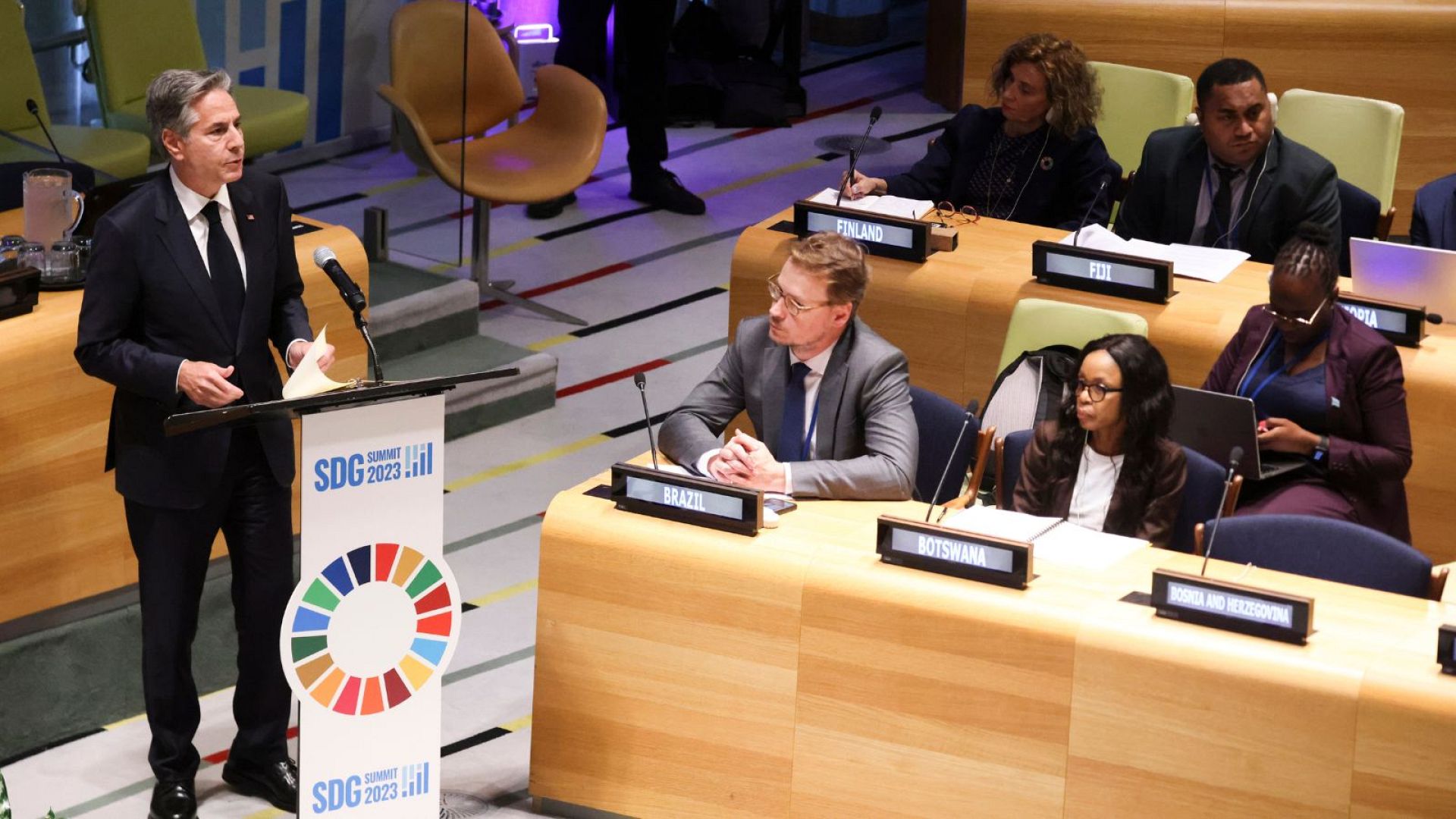
HLPF 2025 takes place on the theme, ‘Advancing sustainable, inclusive, science- and evidence-based solutions for the 2030 Agenda for Sustainable Development and its Sustainable Development Goals for leaving no one behind.’ Five Goals are undergoing in-depth reviews this year – SDG 3 (good health and well-being), SDG 5 (gender equality), SDG 8 (decent work and economic growth), SDG 14 (life below water), and SDG 17 (partnerships for the Goals). [Publication: The Sustainable Development Goals Report 2025] [Key Messages] [Key Findings] [Fact Sheets on Goals Under Review in 2025] [Extended Report] [Publication Landing Page]
What is Your Reaction?
 Like
1
Like
1
 Dislike
0
Dislike
0
 Love
0
Love
0
 Funny
0
Funny
0
 Angry
0
Angry
0
 Sad
0
Sad
0
 Wow
1
Wow
1