




































Alpena Power Company and Efficiency United awards Thunder Bay Community Health Service for energy efficiency rebate – thealpenanews.com

Energy Efficiency Recognition for Thunder Bay Community Health Service
Introduction
Alpena Power Company and Efficiency United have awarded Thunder Bay Community Health Service (TBCHS) a rebate in recognition of their commitment to sustainable energy practices. This acknowledgment highlights the integration of energy-efficient installations in the recently renovated facility located at 200 W. Chisholm Street, which houses TBCHS administrative offices and the Bay Athletic Club.
Energy-Conscious Renovation
The 12-month renovation of the formerly vacant bank building incorporated multiple energy-efficient features, demonstrating TBCHS’s dedication to sustainable development in alignment with the United Nations Sustainable Development Goals (SDGs), particularly SDG 7 (Affordable and Clean Energy) and SDG 11 (Sustainable Cities and Communities).
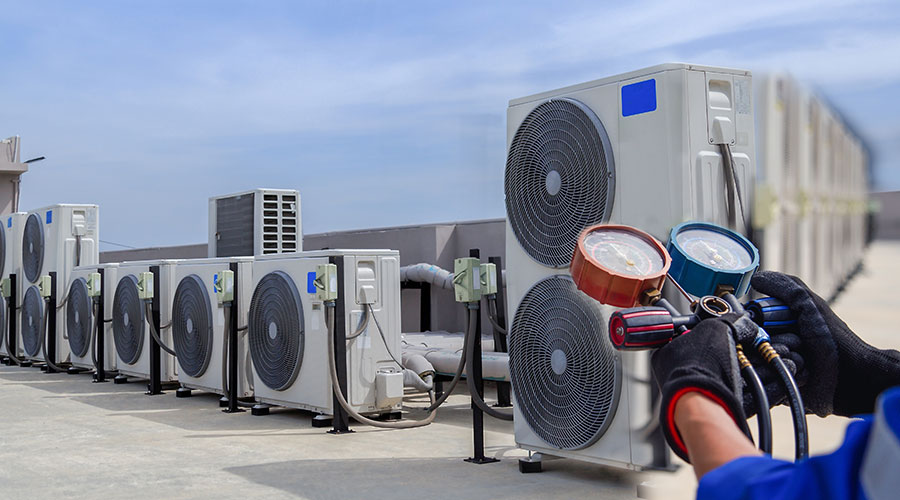
- Installation of energy-efficient appliances
- Use of advanced lighting systems
- Implementation of motion-sensor control panels
- Modernization to accommodate both fitness center and office space needs
Efficiency United Commercial and Industrial Energy Efficiency Program
The rebate is part of the Efficiency United program, facilitated by CLEAResult and the Michigan Community Action Agency Association. This statewide initiative supports organizations that invest in energy-saving technologies, contributing to SDG 9 (Industry, Innovation, and Infrastructure) and SDG 13 (Climate Action) by reducing energy consumption and alleviating strain on the electric grid.
- Encourages adoption of sustainable energy solutions
- Reduces customer energy costs
- Supports grid reliability and environmental sustainability
Ceremonial Presentation and Community Engagement
On Thursday, January 29th, representatives from Alpena Power Company and Efficiency United CLEAResult presented TBCHS with a ceremonial check to honor their energy-efficient efforts. A public open house is scheduled for spring at the renovated facility, promoting community awareness and engagement in sustainable development practices, aligning with SDG 17 (Partnerships for the Goals).
Conclusion
This recognition exemplifies how community organizations can contribute to the achievement of the Sustainable Development Goals through practical energy efficiency measures. TBCHS’s initiative serves as a model for sustainable renovation projects that support environmental stewardship, economic savings, and community well-being.
1. Sustainable Development Goals (SDGs) Addressed or Connected
- SDG 7: Affordable and Clean Energy
- The article highlights energy-efficient installations and energy-saving technology, directly relating to ensuring access to affordable, reliable, sustainable, and modern energy.
- SDG 11: Sustainable Cities and Communities
- The renovation of a long-vacant building into a modern, energy-efficient facility supports sustainable urban development and community infrastructure.
- SDG 12: Responsible Consumption and Production
- Use of energy-efficient appliances and lighting promotes sustainable consumption and production patterns.
2. Specific Targets Under Those SDGs Identified
- SDG 7 Targets
- Target 7.3: By 2030, double the global rate of improvement in energy efficiency.
- SDG 11 Targets
- Target 11.6: By 2030, reduce the adverse per capita environmental impact of cities, including by paying special attention to air quality and municipal and other waste management.
- SDG 12 Targets
- Target 12.2: By 2030, achieve the sustainable management and efficient use of natural resources.
3. Indicators Mentioned or Implied in the Article
- Energy Efficiency Improvements
- Use of energy-efficient appliances, lighting, and motion-sensor control panels implies measurement of energy consumption reduction.
- Reduction in Customer Energy Spending
- The article mentions reducing customer spending on energy, which can be an indicator of cost savings due to energy efficiency.
- Strain on Electric Grid
- Reduction in strain on the electric grid is an implied indicator of improved energy management and sustainability.
4. Table of SDGs, Targets, and Indicators
| SDGs | Targets | Indicators |
|---|---|---|
| SDG 7: Affordable and Clean Energy | Target 7.3: Double the global rate of improvement in energy efficiency by 2030. |
|
| SDG 11: Sustainable Cities and Communities | Target 11.6: Reduce the adverse per capita environmental impact of cities by 2030. |
|
| SDG 12: Responsible Consumption and Production | Target 12.2: Achieve sustainable management and efficient use of natural resources by 2030. |
|
Source: thealpenanews.com
What is Your Reaction?
 Like
1
Like
1
 Dislike
0
Dislike
0
 Love
0
Love
0
 Funny
0
Funny
0
 Angry
0
Angry
0
 Sad
0
Sad
0
 Wow
1
Wow
1