


























































Clean energy is here; maritime infrastructure isn’t – WorkBoat
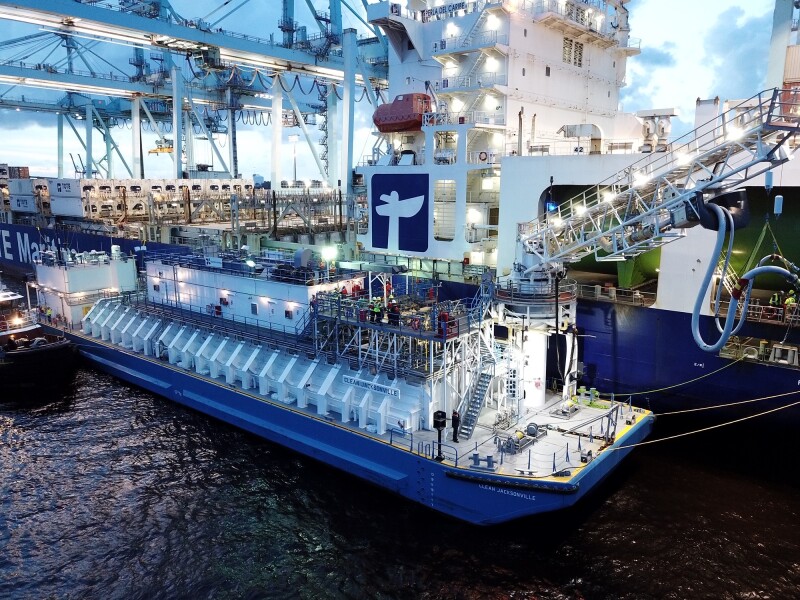
Report on Clean Energy Infrastructure in the Maritime Industry and Its Alignment with Sustainable Development Goals
Introduction
As of February 9, 2026, the clean energy marketplace continues to expand, offering owners and operators—both private and publicly funded—a growing array of sustainable options. However, a critical challenge remains: the development of adequate infrastructure to ensure these options can deliver immediate and effective impact. This report emphasizes the importance of infrastructure development in the maritime sector, highlighting its connection to the United Nations Sustainable Development Goals (SDGs).
Growth of Clean Energy Options in Maritime Transport
The maritime industry has witnessed significant advancements in clean alternative energy sources powering fleets. These include:
- Fully electric and diesel-electric technologies
- Clean fuels such as hydrogen and ammonia
- Reusable fuels and biodiesels
These innovations contribute directly to SDG 7 (Affordable and Clean Energy) and SDG 13 (Climate Action) by reducing fleet emissions and carbon footprints.
Infrastructure Challenges in Maritime Clean Energy Adoption
Electric and Hybrid Vessel Charging Infrastructure
- Unlike the automotive industry, where electric charging stations are widespread (e.g., supermarkets, schools, commercial buildings, homes), maritime infrastructure lags behind.
- Many marinas, shipyards, and docking facilities lack fast-charging capabilities necessary for hybrid and fully electric vessels.
- Current power availability at many locations is insufficient to support expanded charging needs.
Addressing these challenges aligns with SDG 9 (Industry, Innovation, and Infrastructure) by fostering resilient infrastructure and promoting sustainable industrialization.
Clean Fuel Delivery and Storage Systems
- Clean fuels require robust delivery systems to reach vessel fleets effectively.
- Increased storage capacity and a broader vendor network are essential to support these fuels.
- Transportation and storage costs, along with limited suppliers, present hurdles to normalization.
Improving these systems supports SDG 12 (Responsible Consumption and Production) by ensuring sustainable management and efficient use of natural resources.
Strategic Importance of Infrastructure Investment
The maritime sector’s transition to clean energy technologies depends heavily on infrastructure development. The existing technology is capable of introducing cleaner systems, but the lack of adequate infrastructure and support systems limits their full potential.
Key actions required include:
- Financial commitment from both private and public sectors to fund infrastructure projects
- Development of charging stations and fuel delivery networks tailored to maritime needs
- Promotion of ambassadors of change to advocate and implement sustainable maritime operations
These efforts are critical to achieving SDG 17 (Partnerships for the Goals), fostering collaboration to mobilize resources and expertise for sustainable development.
Conclusion
To realize the full benefits of clean energy in maritime operations and contribute effectively to the Sustainable Development Goals, significant emphasis must be placed on developing and expanding infrastructure. This will enable the maritime industry to reduce emissions, improve energy efficiency, and promote sustainable industrial practices, ultimately supporting global efforts toward a sustainable future.
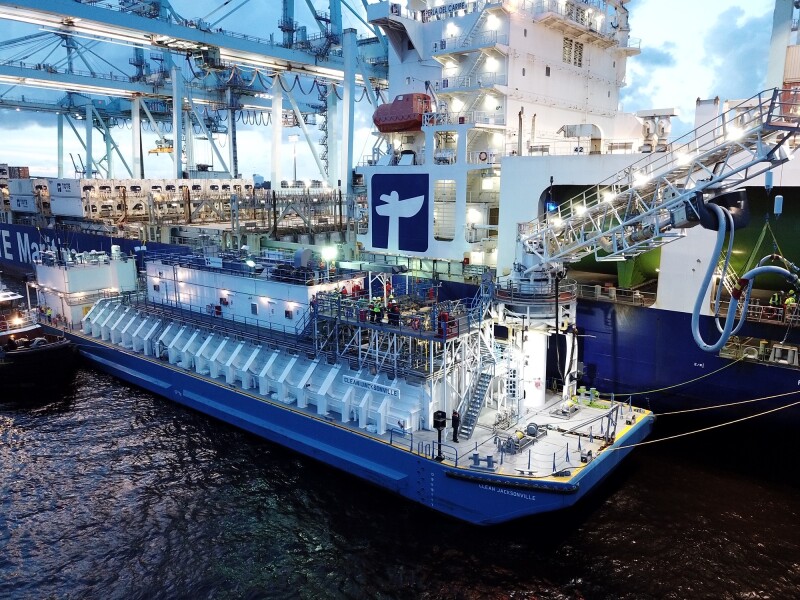
1. Sustainable Development Goals (SDGs) Addressed or Connected
- SDG 7: Affordable and Clean Energy
- The article discusses the expansion of clean energy options in the maritime industry, including electric, hydrogen, ammonia, and biodiesel fuels.
- Emphasis on the need for infrastructure to support clean energy aligns with SDG 7’s focus on ensuring access to affordable, reliable, sustainable, and modern energy for all.
- SDG 9: Industry, Innovation, and Infrastructure
- The article highlights the critical need for infrastructure development such as charging stations and fuel delivery systems to enable clean energy adoption in maritime operations.
- This corresponds to SDG 9’s aim to build resilient infrastructure, promote inclusive and sustainable industrialization, and foster innovation.
- SDG 13: Climate Action
- The focus on reducing fleet emissions and carbon footprints through cleaner energy sources relates directly to SDG 13’s goal to take urgent action to combat climate change and its impacts.
2. Specific Targets Under Those SDGs Identified
- Under SDG 7: Affordable and Clean Energy
- Target 7.2: Increase substantially the share of renewable energy in the global energy mix.
- Target 7.a: Enhance international cooperation to facilitate access to clean energy research and technology, including renewable energy, energy efficiency, and advanced and cleaner fossil-fuel technology.
- Under SDG 9: Industry, Innovation, and Infrastructure
- Target 9.1: Develop quality, reliable, sustainable, and resilient infrastructure to support economic development and human well-being.
- Target 9.4: Upgrade infrastructure and retrofit industries to make them sustainable, with increased resource-use efficiency and greater adoption of clean and environmentally sound technologies.
- Under SDG 13: Climate Action
- Target 13.2: Integrate climate change measures into national policies, strategies, and planning.
3. Indicators Mentioned or Implied to Measure Progress
- For SDG 7 Targets
- Indicator 7.2.1: Renewable energy share in the total final energy consumption – implied by the article’s emphasis on increasing clean fuel use in maritime fleets.
- Indicator 7.a.1: International financial flows to developing countries in support of clean energy research and development – implied by the call for financial commitment to infrastructure projects.
- For SDG 9 Targets
- Indicator 9.1.1: Proportion of the rural population who live within 2 km of an all-season road – implied by the need for accessible infrastructure such as charging stations and fuel delivery systems.
- Indicator 9.4.1: CO2 emission per unit of value added – implied by the focus on reducing emissions through sustainable infrastructure and technologies.
- For SDG 13 Targets
- Indicator 13.2.2: Total greenhouse gas emissions per year – implied by the article’s focus on reducing fleet emissions and carbon footprints.
4. Table: SDGs, Targets and Indicators
| SDGs | Targets | Indicators |
|---|---|---|
| SDG 7: Affordable and Clean Energy |
|
|
| SDG 9: Industry, Innovation, and Infrastructure |
|
|
| SDG 13: Climate Action |
|
|
Source: workboat.com
What is Your Reaction?
 Like
0
Like
0
 Dislike
0
Dislike
0
 Love
0
Love
0
 Funny
0
Funny
0
 Angry
0
Angry
0
 Sad
0
Sad
0
 Wow
0
Wow
0