


























Philippines’ newest marine protected area ‘sets inspiring example’ (commentary) – Mongabay

Marine Conservation Efforts on Panaon Island: A Strategic Move Towards Sustainable Development Goals
Introduction
Panaon Island, located in the heart of the Coral Triangle, is recognized as one of the most biodiverse marine regions globally and a vital part of the Philippines’ natural heritage. Despite its rich biodiversity, the island faces significant environmental threats. This report highlights the recent designation of the waters surrounding Panaon Island as a Marine Protected Area (MPA) and emphasizes the role of Sustainable Development Goals (SDGs) in guiding these conservation efforts.
Significance of Panaon Island’s Marine Ecosystem
- Panaon Island boasts vibrant coral reefs with coral cover reaching 60%, which is three times the national average.
- The reefs provide critical habitats for diverse marine species including whale sharks, sea turtles, and the endangered Philippine duck.
- Seagrass meadows and mangrove forests protect the coastline from storm surges and serve as nurseries for fish stocks that sustain local communities.
Threats to Biodiversity and Ecosystem Health
- Illegal and destructive fishing practices.
- Plastic pollution affecting coral and marine wildlife.
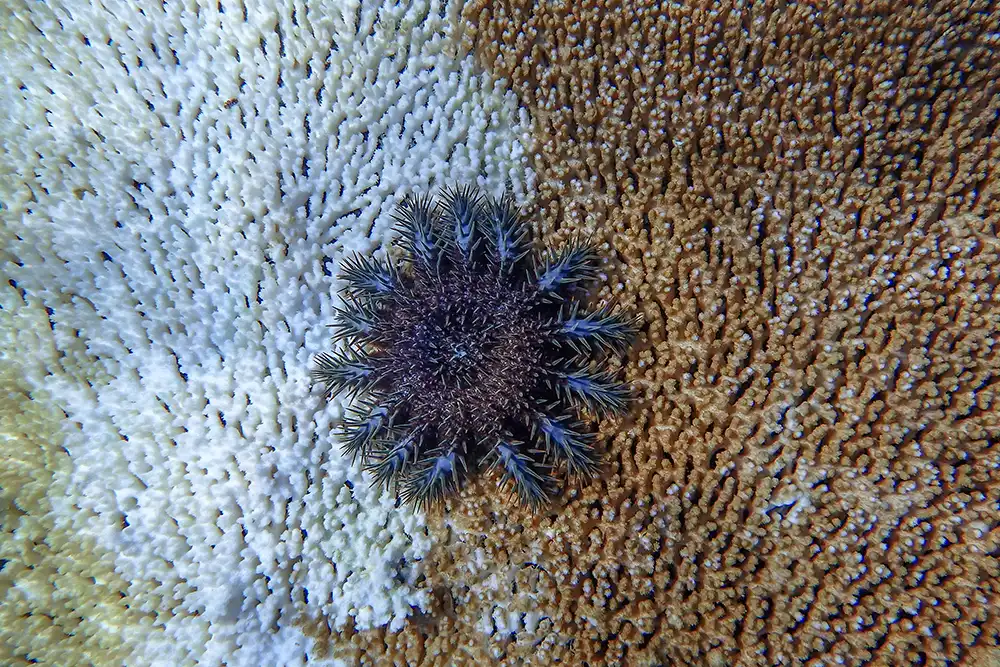
- Infestation by crown-of-thorns starfish, an invasive species harmful to reefs.
- Impacts of climate change including coral bleaching and ecosystem degradation.
Designation of Panaon Island as a Marine Protected Area
In response to these threats, a coalition of community leaders, environmental advocates, and government agencies successfully passed legislation to designate the waters around Panaon Island as a Protected Seascape under the Expanded National Integrated Protected Areas System Act. This MPA covers approximately 60,000 hectares (nearly 150,000 acres) of critical marine habitat.
Community Engagement and Governance
- Local fishing communities played a central role in advocating for marine protection, ensuring alignment with their livelihood needs.
- Local governance and enforcement mechanisms have been empowered through the legislation.
- Consultations and capacity-building sessions were conducted to develop an effective management plan.
Scientific Research and Climate Resilience
The designation is supported by scientific studies including the 50 Reefs study, which identified Panaon Island’s reefs as among those most likely to survive climate change impacts if protected. Protecting these climate-resilient reefs contributes to global efforts to conserve biodiversity and sustain fisheries.
Alignment with Sustainable Development Goals (SDGs)
- SDG 14: Life Below Water – The MPA directly supports the conservation and sustainable use of marine resources.
- SDG 13: Climate Action – Protecting reefs aids in climate mitigation by preserving carbon-storing ecosystems and enhancing resilience.
- SDG 1: No Poverty and SDG 2: Zero Hunger – Sustainable fisheries support food security and livelihoods for over 100 million Filipinos dependent on the ocean.
- SDG 17: Partnerships for the Goals – The collaboration among communities, government, and NGOs exemplifies effective partnerships for sustainable development.
Global Context: The 30×30 Ocean Protection Target
Countries worldwide have committed to protecting at least 30% of the ocean by 2030 to safeguard biodiversity, ensure food security, and combat climate change. Currently, only 9.9% of the ocean is protected, with less than 3% effectively managed. The Philippines’ initiative to protect Panaon Island serves as a model for translating global commitments into tangible conservation actions.
Challenges and Recommendations for Effective Marine Protection
- Ensure adequate funding for the management and enforcement of MPAs.
- Implement active monitoring to prevent illegal activities such as destructive fishing.
- Engage and empower indigenous peoples and coastal communities as key stewards of marine ecosystems.
- Integrate scientific research with community knowledge to develop adaptive management strategies.
Conclusion
The designation of Panaon Island as a Marine Protected Area marks a significant achievement in marine conservation and sustainable development. It demonstrates that urgent, inclusive, and science-based actions can create resilient marine ecosystems that benefit biodiversity and human communities alike. This success story underscores the importance of accelerating global efforts to meet the SDGs, particularly SDG 14 and SDG 13, to ensure a sustainable future for the oceans and the people who depend on them.
References
- Selig, E. R., et al. (2019). Mapping global human dependence on marine ecosystems. Conservation Letters, 12(2), e12617.
- Beyer, H. L., et al. (2018). Risk-sensitive planning for conserving coral reefs under rapid climate change. Conservation Letters, 11(6), e12587.
- Virdin, J., et al. (2023). Fishing for subsistence constitutes a livelihood safety net for populations dependent on aquatic foods.
1. Sustainable Development Goals (SDGs) Addressed in the Article
- SDG 14: Life Below Water
- The article focuses extensively on marine biodiversity conservation, marine protected areas (MPAs), and threats to coral reefs and marine ecosystems.
- SDG 13: Climate Action
- Climate change impacts on coral reefs and the need to combat global warming are highlighted.
- SDG 15: Life on Land
- Protection of mangrove forests and seagrass meadows, which are coastal ecosystems linked to terrestrial biodiversity.
- SDG 1: No Poverty
- The article mentions the dependence of local communities on marine resources for livelihoods, linking conservation to poverty alleviation.
- SDG 12: Responsible Consumption and Production
- Addressing illegal and destructive fishing and plastic pollution relates to sustainable use of resources.
2. Specific Targets Under Those SDGs Identified in the Article
- SDG 14: Life Below Water
- Target 14.2: Sustainably manage and protect marine and coastal ecosystems to avoid significant adverse impacts.
- Target 14.5: By 2020, conserve at least 10% of coastal and marine areas; the article discusses the Philippines’ effort to protect 60,000 hectares and the global 30×30 target.
- Target 14.4: Effectively regulate harvesting and end overfishing, illegal, unreported and unregulated fishing.
- SDG 13: Climate Action
- Target 13.1: Strengthen resilience and adaptive capacity to climate-related hazards and natural disasters.
- Target 13.2: Integrate climate change measures into policies and planning.
- SDG 15: Life on Land
- Target 15.1: Ensure conservation, restoration and sustainable use of terrestrial and inland freshwater ecosystems.
- SDG 1: No Poverty
- Target 1.4: Ensure equal rights to economic resources and access to basic services, linked to sustaining livelihoods dependent on marine resources.
- SDG 12: Responsible Consumption and Production
- Target 12.4: Achieve environmentally sound management of chemicals and wastes, including plastic pollution mentioned in the article.
3. Indicators Mentioned or Implied to Measure Progress Towards the Identified Targets
- Marine Protected Area Coverage
- Percentage of marine areas designated as protected (e.g., the article states only 9.9% of oceans are protected, with a goal of 30%).
- Effective management of MPAs (less than 3% currently effectively managed).
- Coral Cover Percentage
- Coral cover reaching 60% around Panaon Island, compared to the national average, as an indicator of reef health.
- Incidence of Illegal and Destructive Fishing
- Evidence of illegal fishing and destructive practices as a negative indicator of progress.
- Plastic Pollution Levels
- Presence of plastic pollution suffocating corals and wildlife as an indicator of environmental health.
- Climate Change Impact Indicators
- Scientific assessments of climate tipping points and reef resilience to global warming.
- Community Engagement and Governance
- Local governance and enforcement capacity as qualitative indicators of effective conservation management.
4. Table of SDGs, Targets, and Indicators
| SDGs | Targets | Indicators |
|---|---|---|
| SDG 14: Life Below Water |
|
|
| SDG 13: Climate Action |
|
|
| SDG 15: Life on Land |
|
|
| SDG 1: No Poverty |
|
|
| SDG 12: Responsible Consumption and Production |
|
|
Source: news.mongabay.com
What is Your Reaction?
 Like
0
Like
0
 Dislike
0
Dislike
0
 Love
0
Love
0
 Funny
0
Funny
0
 Angry
0
Angry
0
 Sad
0
Sad
0
 Wow
0
Wow
0