





































California Grants Endangered Species Protections to Imperiled Mountain Lions – Center for Biological Diversity
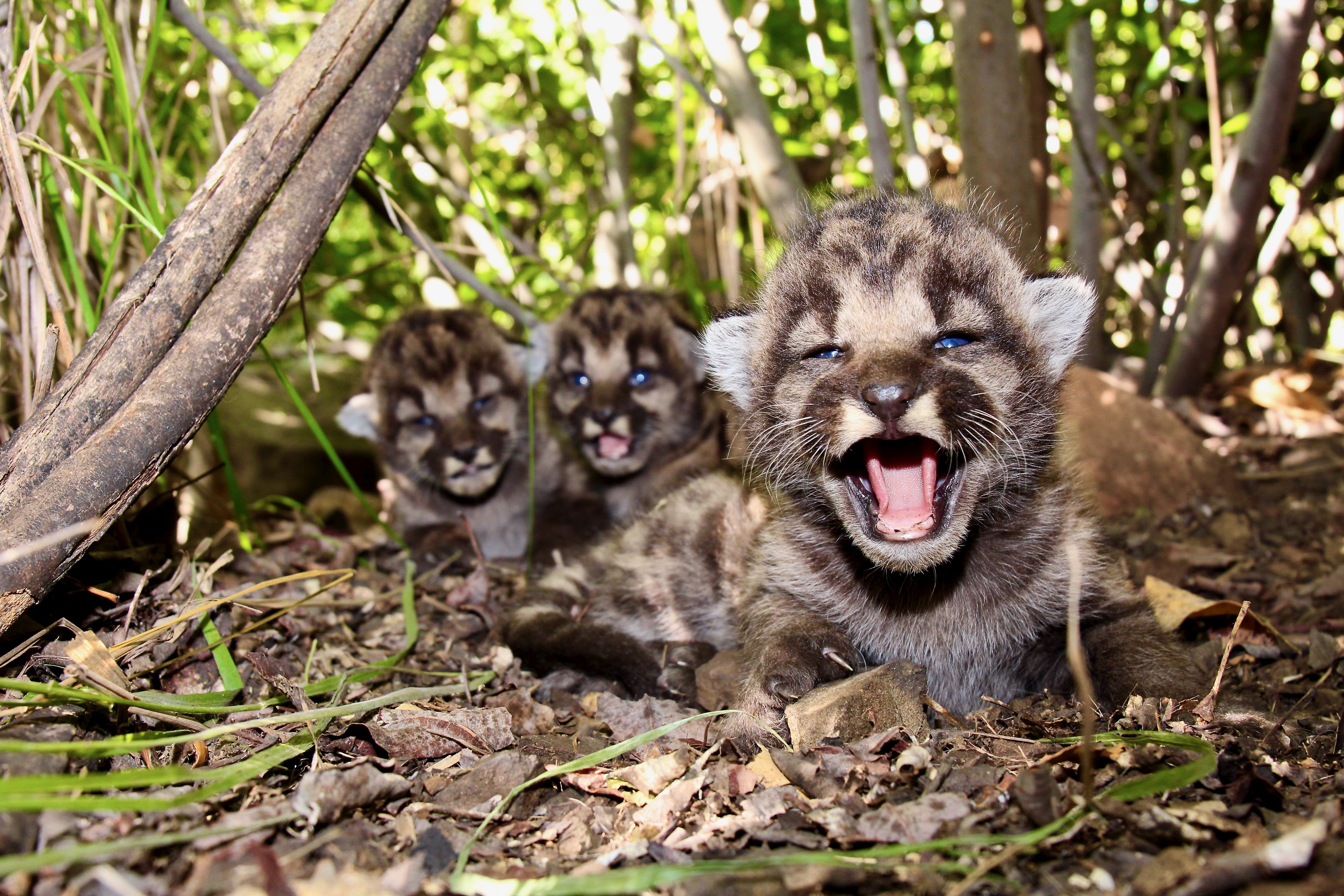
California Grants Permanent Protection to Mountain Lions Under Endangered Species Act

Introduction
The California Fish and Game Commission has officially granted permanent protections to Southern California and Central Coast mountain lions under the state Endangered Species Act. This landmark decision acknowledges the vulnerable status of pumas across a broad region extending from the Bay Area to the Mexico border.
Significance and Context
Tiffany Yap, D.Env./Ph.D., Urban Wildlands Science Director at the Center for Biological Diversity, highlighted the importance of this milestone for California’s iconic mountain lions. She emphasized that many pumas are struggling due to habitat fragmentation and loss, and this decision marks a commitment by the state to prevent the disappearance of this precious wildlife.
Background and Process
- The Center for Biological Diversity and the Mountain Lion Foundation petitioned the commission to protect six genetic populations of mountain lions.
- The California Department of Fish and Wildlife recommended protections for these populations.
- The commission voted to grant protections to pumas in the following areas:
- Santa Cruz Mountains
- Central Coast
- Santa Monica Mountains
- San Gabriel and San Bernardino Mountains
- Santa Ana Mountains
- Eastern Peninsular Ranges
Legal and Environmental Implications
- This is the first recognition of pumas as a threatened species under California’s Endangered Species Act.
- State agencies are now legally mandated to protect these six mountain lion populations.
- Development projects must identify and minimize potential harm to mountain lion habitats.
- Encouragement for the construction of wildlife crossings and road improvements to enhance safety and facilitate wildlife movement.
- Stronger restrictions on the use of the most toxic rat poisons are promoted to reduce threats.
Alignment with Sustainable Development Goals (SDGs)
This initiative aligns with several United Nations Sustainable Development Goals, including:
- SDG 15: Life on Land – By protecting mountain lions and their habitats, California supports biodiversity conservation and ecosystem restoration.
- SDG 11: Sustainable Cities and Communities – The decision promotes sustainable urban planning by requiring development projects to minimize ecological impact.
- SDG 3: Good Health and Well-being – Reducing toxic rat poison use contributes to healthier ecosystems and communities.
- SDG 13: Climate Action – Protecting wildlife habitats helps build resilience against climate-related threats such as wildfires.
Future Prospects and Challenges
Under the California Endangered Species Act, a recovery plan may be developed to ensure the long-term survival of mountain lions. These animals face multiple threats, including:
- Poorly planned development
- Widespread use of rat poisons
- Vehicle collisions
- Wildfires
- Disease
The recovery plan and ongoing protections aim to inspire future generations by preserving these majestic big cats and their ecosystems.
1. Which SDGs are addressed or connected to the issues highlighted in the article?
- SDG 15: Life on Land – The article focuses on the protection of mountain lions, a terrestrial wildlife species, and the conservation of their habitats in California.
- SDG 11: Sustainable Cities and Communities – The article mentions the need for development projects to minimize harm to mountain lion habitats and encourages wildlife crossings and road improvements, which relate to sustainable urban planning and infrastructure.
- SDG 3: Good Health and Well-being – The article references the impact of toxic rat poisons and disease on mountain lions, which connects to ecosystem health and indirectly to human health.
2. What specific targets under those SDGs can be identified based on the article’s content?
- SDG 15 Targets:
- Target 15.1: Ensure the conservation, restoration and sustainable use of terrestrial and inland freshwater ecosystems and their services.
- Target 15.5: Take urgent and significant action to reduce the degradation of natural habitats, halt the loss of biodiversity, and protect threatened species.
- Target 15.7: Take urgent action to end poaching and trafficking of protected species of flora and fauna.
- SDG 11 Targets:
- Target 11.3: Enhance inclusive and sustainable urbanization and capacity for participatory, integrated and sustainable human settlement planning and management.
- Target 11.2: Provide access to safe, affordable, accessible and sustainable transport systems for all, improving road safety.
- SDG 3 Targets:
- Target 3.9: Reduce the number of deaths and illnesses from hazardous chemicals and air, water and soil pollution and contamination.
3. Are there any indicators mentioned or implied in the article that can be used to measure progress towards the identified targets?
- Indicators related to SDG 15:
- Population status of mountain lions (number of individuals in protected populations).
- Area of habitat protected or restored for mountain lions.
- Number of genetic populations of mountain lions legally protected.
- Incidence of threats such as habitat fragmentation, vehicle strikes, and poisoning.
- Indicators related to SDG 11:
- Number of development projects implementing mitigation measures to protect wildlife habitats.
- Number and quality of wildlife crossings and road improvements constructed.
- Reduction in wildlife-vehicle collisions.
- Indicators related to SDG 3:
- Usage rates and restrictions on toxic rat poisons.
- Incidence of disease and poisoning cases in mountain lions.
4. Table: SDGs, Targets and Indicators
| SDGs | Targets | Indicators |
|---|---|---|
| SDG 15: Life on Land |
|
|
| SDG 11: Sustainable Cities and Communities |
|
|
| SDG 3: Good Health and Well-being |
|
|
Source: biologicaldiversity.org
What is Your Reaction?
 Like
0
Like
0
 Dislike
0
Dislike
0
 Love
0
Love
0
 Funny
0
Funny
0
 Angry
0
Angry
0
 Sad
0
Sad
0
 Wow
0
Wow
0