
























































When Romance Goes Wrong – WMNF
Report on Domestic Violence Awareness and Support Programs
Introduction
On Valentine’s Day, a discussion was held focusing on the critical issue of domestic violence and abuse, highlighting the contrast between romantic ideals and harsh realities. This report emphasizes the importance of addressing domestic violence in the context of Sustainable Development Goals (SDGs), particularly SDG 3 (Good Health and Well-being), SDG 5 (Gender Equality), and SDG 16 (Peace, Justice, and Strong Institutions).
Key Participants and Their Roles
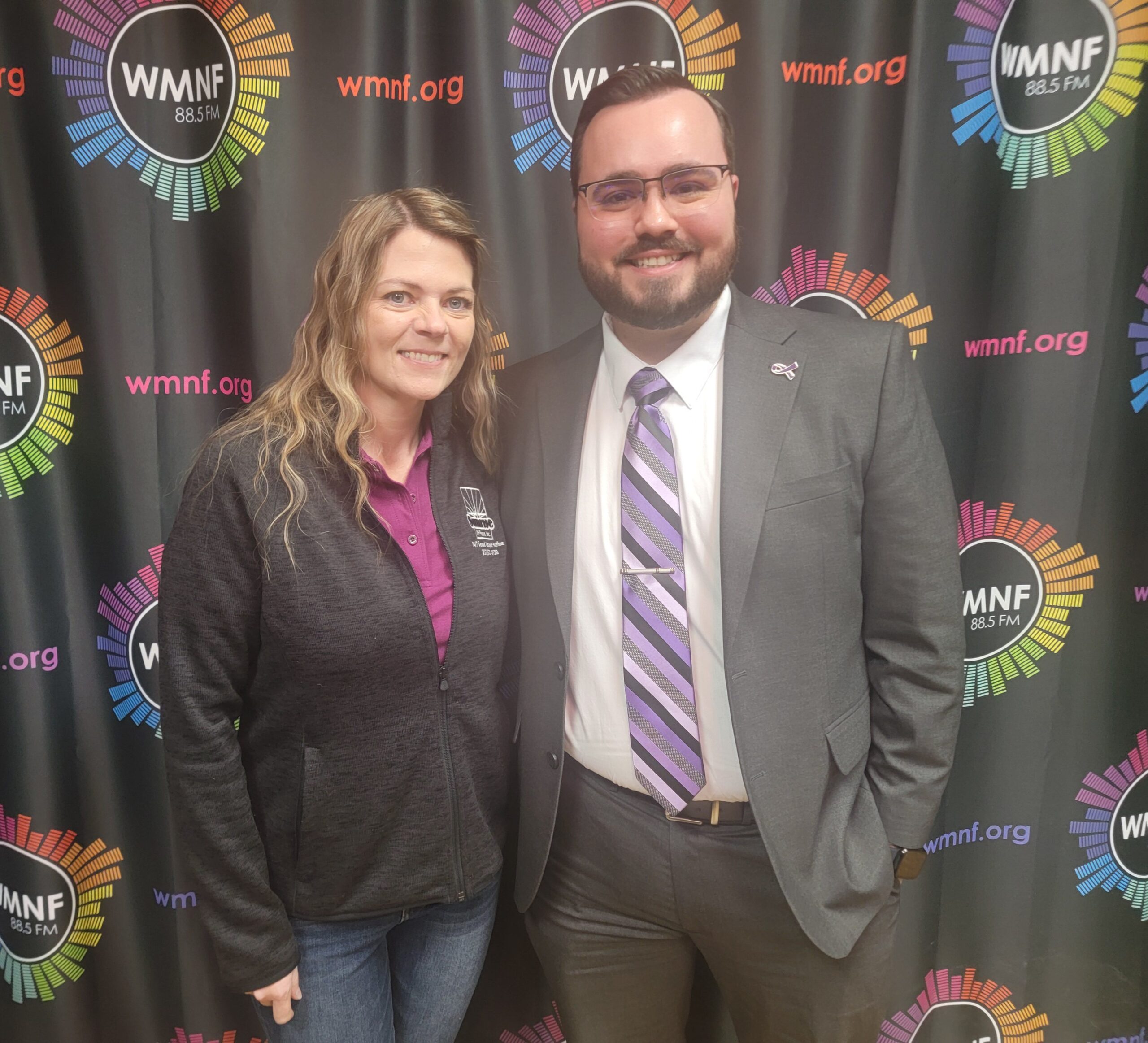
- Kelly Sinn – CEO of Sunrise of Pasco County, a certified Domestic and Sexual Violence Center, and Licensed Clinical Social Worker.
- William Warmke – Supervising Attorney of the Domestic Violence Division of Hillsborough County State’s Attorney’s Office.
Discussion Overview
The discussion addressed the transformation of affection into trauma or abuse, an often misunderstood and under-discussed issue. The conversation aimed to raise awareness and provide hope for change, aligning with SDG 5’s goal to eliminate all forms of violence against women and girls.
Services Provided by Domestic Violence Centers
Kelly Sinn outlined the comprehensive services offered by Sunrise of Pasco County, which include:
- Emergency shelter
- Counseling
- Case management
- Outreach programs
- Legal assistance for obtaining court injunctions or restraining orders
These services support survivors in overcoming financial dependence, isolation, and threats of violence, contributing to SDG 1 (No Poverty) and SDG 10 (Reduced Inequalities).
Legal Support and Justice
William Warmke emphasized the role of the Domestic Violence Division in prosecuting abusers and securing civil restraining orders. Key points include:
- Cases are initiated through law enforcement or domestic violence centers.
- Proof of violence or imminent risk is required for restraining orders.
- Victim advocates assist survivors throughout the legal process.
- The State Attorney’s Office may prosecute without victim cooperation in severe cases.
This legal framework supports SDG 16 by promoting justice and strong institutions.
Available Resources and Support Networks
Additional support is available through certified centers such as:
- Spring of Tampa Bay (Hillsborough County)
- CASA (Pinellas County)
- SPARCC (Sarasota/Bradenton)
These centers meet state standards and may offer on-site childcare and economic empowerment assistance, further advancing SDG 4 (Quality Education) and SDG 8 (Decent Work and Economic Growth).
Challenges in Recognizing and Leaving Abuse
Both Sinn and Warmke acknowledged barriers survivors face, including:
- Financial dependence
- Emotional manipulation
- Isolation
- Concerns about children’s welfare
They stressed the importance of compassionate support from friends and family, recommending:
- Listening without judgment
- Avoiding ultimatums
- Encouraging contact with local centers
- Calling hotlines for guidance
Confidential and Free Services
Survivors can access free and confidential support through 24/7 hotlines, with no requirement to disclose personal information, ensuring safety and privacy.
Defining Success in Domestic Violence Cases
Success varies per survivor and may include:
- Legal accountability of the abuser
- Safe separation from the abuser
- Long-term healing and empowerment
A notable example shared by Kelly Sinn involved a former shelter client who returned after 20 years to express gratitude, illustrating the lasting impact of support services.
Conclusion and Call to Action
Individuals affected by domestic violence are urged to contact their local Domestic and Sexual Violence Centers for immediate assistance. Accessing these resources contributes to achieving multiple SDGs by promoting health, equality, justice, and strong community support systems.
Additional Information
The full discussion is available for listening on demand via the WMNF archives, the WMNF app, and as a WMNF MidPoint podcast on Spotify and Apple Music.
1. Sustainable Development Goals (SDGs) Addressed or Connected
- SDG 3: Good Health and Well-being
- Focus on mental health and well-being of domestic violence survivors through counseling and support services.
- SDG 5: Gender Equality
- Addressing domestic and sexual violence, which disproportionately affects women and girls.
- Empowerment of survivors through legal support and economic assistance.
- SDG 16: Peace, Justice and Strong Institutions
- Access to justice for survivors through prosecution and restraining orders.
- Strengthening institutions like the Domestic Violence Division and certified centers.
- SDG 1: No Poverty
- Addressing financial dependence and economic empowerment as barriers to leaving abusive relationships.
2. Specific Targets Under Those SDGs
- SDG 3: Good Health and Well-being
- Target 3.4: Promote mental health and well-being by providing counseling and support services to survivors.
- SDG 5: Gender Equality
- Target 5.2: Eliminate all forms of violence against women and girls in public and private spheres.
- Target 5.4: Recognize and value unpaid care and domestic work, including support for survivors.
- SDG 16: Peace, Justice and Strong Institutions
- Target 16.3: Promote the rule of law and ensure equal access to justice for all survivors of domestic violence.
- Target 16.1: Significantly reduce all forms of violence and related death rates everywhere.
- SDG 1: No Poverty
- Target 1.4: Ensure equal rights to economic resources and access to basic services for survivors.
3. Indicators Mentioned or Implied to Measure Progress
- SDG 3 Indicators
- Prevalence of counseling and mental health services provided to survivors.
- Number of survivors accessing emergency shelter and support services.
- SDG 5 Indicators
- Number of reported cases of domestic and sexual violence.
- Number of survivors receiving legal protection such as restraining orders.
- Availability and utilization of economic empowerment programs for survivors.
- SDG 16 Indicators
- Number of prosecutions and convictions in domestic violence cases.
- Number of restraining orders granted by courts.
- Number of certified domestic violence centers meeting state standards.
- SDG 1 Indicators
- Access to economic resources and support services by survivors to reduce financial dependence.
4. Table of SDGs, Targets, and Indicators
| SDGs | Targets | Indicators |
|---|---|---|
| SDG 3: Good Health and Well-being | Target 3.4: Promote mental health and well-being |
|
| SDG 5: Gender Equality |
|
|
| SDG 16: Peace, Justice and Strong Institutions |
|
|
| SDG 1: No Poverty | Target 1.4: Equal rights to economic resources and services |
|
Source: wmnf.org
What is Your Reaction?
 Like
0
Like
0
 Dislike
0
Dislike
0
 Love
0
Love
0
 Funny
0
Funny
0
 Angry
0
Angry
0
 Sad
0
Sad
0
 Wow
0
Wow
0