
























































Would shifting to more terrestrial protein production accelerate biodiversity loss? Recent study says yes – Global Seafood Alliance
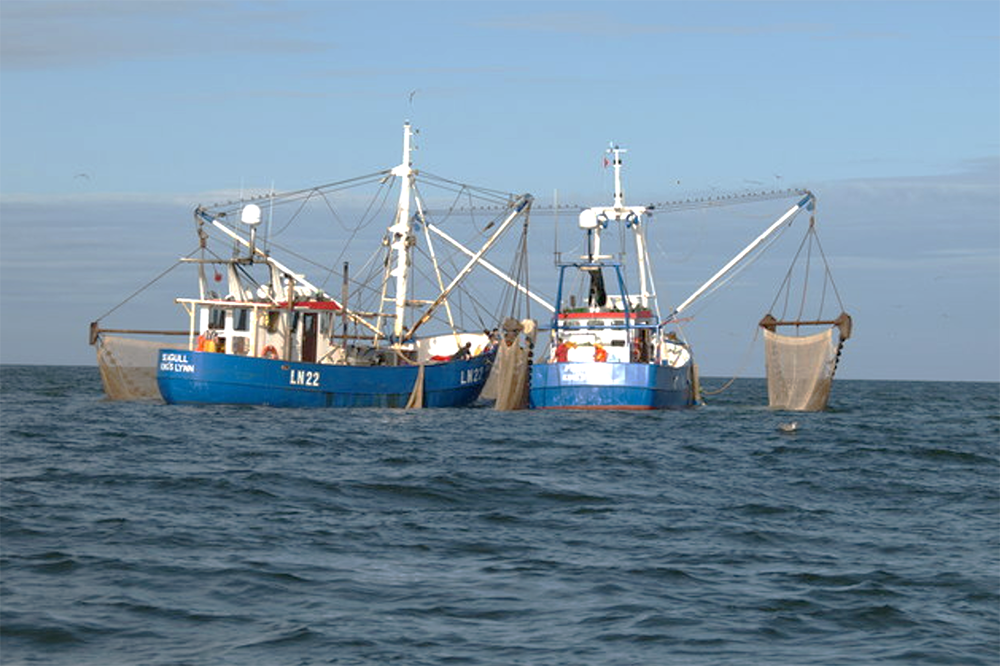
Report on Biodiversity Trade-Offs in Substituting Marine Capture Fisheries Protein with Terrestrial Agriculture
Introduction
On 16 February 2026, a multinational team of scientists from Australia, the UK, Sweden, and the United States published a study critically examining the environmental and biodiversity impacts associated with replacing animal protein derived from marine capture fisheries with terrestrial agricultural sources. This report emphasizes the implications of such substitutions in the context of the United Nations Sustainable Development Goals (SDGs), particularly SDG 14 (Life Below Water), SDG 15 (Life on Land), and SDG 2 (Zero Hunger).
Key Findings
- Land Use Requirements: Replacing all animal protein from marine fisheries with the current livestock and poultry mix would require approximately 5 million square kilometers of additional land—an area exceeding the intact rainforests of Brazil.
- Aquafeed Substitution: Replacing all fish used in aquafeeds with terrestrial agricultural products would necessitate over 47,000 square kilometers of new agricultural land.
- Biodiversity Impact: Agriculture-driven habitat conversion poses a significantly higher threat to biodiversity compared to well-managed fisheries, which operate within existing ecosystem structures.
Environmental and Biodiversity Implications
- Habitat Clearance: Agricultural expansion, particularly in tropical forests, has led to irreversible habitat loss and species decline, affecting over 22,700 threatened species (IUCN data).
- Fisheries Impact: Fisheries primarily affect higher trophic levels through removals and bycatch but maintain foundational ecosystem productivity, with localized and often recoverable impacts such as those from bottom trawling.
- Extinction Risk Comparison: Agriculture threatens over ten times more species than fishing, with extinction risks per million tons of protein being 2.6 times higher for agriculture.
Policy and Management Recommendations
The study highlights the necessity for policymakers to incorporate comprehensive trade-off analyses when considering restrictions on fishery resources, to avoid exacerbating biodiversity loss. The following recommendations align with SDG 14 and SDG 15:
- Promote sustainable fisheries management practices to rebuild and maintain fish stocks.
- Develop and implement enhanced Life Cycle Assessments to evaluate environmental impacts across food systems.
- Encourage innovation in aquaculture feed alternatives, such as microbial or insect proteins, to reduce reliance on terrestrial agriculture.
- Support integrated food system approaches balancing marine and terrestrial protein sources to minimize habitat conversion and species extinction.
- Advocate for dietary shifts towards plant-based foods to reduce pressure on both land and marine ecosystems (SDG 2 and SDG 12 – Responsible Consumption and Production).
Implications for Sustainable Development Goals
- SDG 14 – Life Below Water: Well-managed fisheries contribute to the sustainable use of marine resources, preserving aquatic biodiversity while supporting food security.
- SDG 15 – Life on Land: Limiting agricultural expansion is critical to conserving terrestrial ecosystems and preventing further biodiversity loss.
- SDG 2 – Zero Hunger: Ensuring sustainable protein sources from both marine and terrestrial systems supports global food security without compromising ecosystem health.
- SDG 12 – Responsible Consumption and Production: Encouraging sustainable dietary choices and production systems reduces environmental footprints and promotes resource efficiency.
Conclusion
The authors conclude that substituting marine capture fisheries protein with terrestrial agriculture without careful consideration of biodiversity trade-offs risks amplifying global biodiversity loss. They emphasize the importance of cross-sector collaboration and informed policymaking to achieve sustainable food systems that align with the SDGs. Responsible management of fisheries and agricultural practices, combined with innovation and dietary changes, are essential to balancing human nutritional needs with the preservation of life on land and below water.
References and Further Reading
- Leadbitter, D. et al. (2026). Study on biodiversity trade-offs in protein substitution. DOI Link
- International Union for Conservation of Nature (IUCN). https://iucn.org/
- Global Seafood Alliance. Membership and Resources
1. Sustainable Development Goals (SDGs) Addressed or Connected
- SDG 2: Zero Hunger – The article discusses sustainable food systems, protein sources, and the impact of shifting from marine fisheries to terrestrial agriculture on food production.
- SDG 12: Responsible Consumption and Production – It highlights the need for responsible trade-offs in food production and sustainable fisheries management.
- SDG 14: Life Below Water – The article focuses on marine capture fisheries, sustainable management of fish stocks, and biodiversity impacts in aquatic ecosystems.
- SDG 15: Life on Land – It addresses biodiversity loss due to land conversion for agriculture, habitat clearance, and species extinction risks.
2. Specific Targets Under Those SDGs Identified
- SDG 2 Targets:
- 2.4 – By 2030, ensure sustainable food production systems and implement resilient agricultural practices that increase productivity and production, help maintain ecosystems, and strengthen capacity for adaptation to climate change.
- SDG 12 Targets:
- 12.2 – Achieve the sustainable management and efficient use of natural resources.
- 12.3 – Halve per capita global food waste at the retail and consumer levels and reduce food losses along production and supply chains.
- SDG 14 Targets:
- 14.4 – By 2020, effectively regulate harvesting and end overfishing, illegal, unreported and unregulated fishing and destructive fishing practices.
- 14.5 – Conserve at least 10 per cent of coastal and marine areas.
- SDG 15 Targets:
- 15.1 – By 2020, ensure the conservation, restoration and sustainable use of terrestrial and inland freshwater ecosystems and their services.
- 15.5 – Take urgent and significant action to reduce the degradation of natural habitats, halt the loss of biodiversity and protect threatened species.
3. Indicators Mentioned or Implied to Measure Progress
- Land Area Converted to Agriculture – The article quantifies additional land (millions of square kilometers) needed to replace marine protein with terrestrial agriculture, which relates to measuring habitat conversion and land use change.
- Number of Threatened Species – Reference to the number of Critically Endangered, Endangered, or Vulnerable species threatened by agriculture (22,728 species) versus fishing (2,143 species) implies use of biodiversity indicators.
- Protein Production Volume – The amount of animal protein produced from marine capture fisheries (~80 million tons) and the impact per million tons of protein produced are used to assess sustainability and biodiversity risks.
- Fish Stock Recovery Metrics – Indicators related to stock recoveries enabled by sustainable fisheries management are implied.
- Land Use for Aquafeed Substitution – The area of new cropland needed for replacing fishmeal in aquafeeds (47,453 square kilometers) serves as an indicator of environmental impact.
4. Table of SDGs, Targets, and Indicators
| SDGs | Targets | Indicators |
|---|---|---|
| SDG 2: Zero Hunger | 2.4 – Sustainable food production systems and resilient agricultural practices |
|
| SDG 12: Responsible Consumption and Production |
|
|
| SDG 14: Life Below Water |
|
|
| SDG 15: Life on Land |
|
|
Source: globalseafood.org
What is Your Reaction?
 Like
0
Like
0
 Dislike
0
Dislike
0
 Love
0
Love
0
 Funny
0
Funny
0
 Angry
0
Angry
0
 Sad
0
Sad
0
 Wow
0
Wow
0