





































A breakthrough that turns exhaust CO2 into useful materials – ScienceDaily
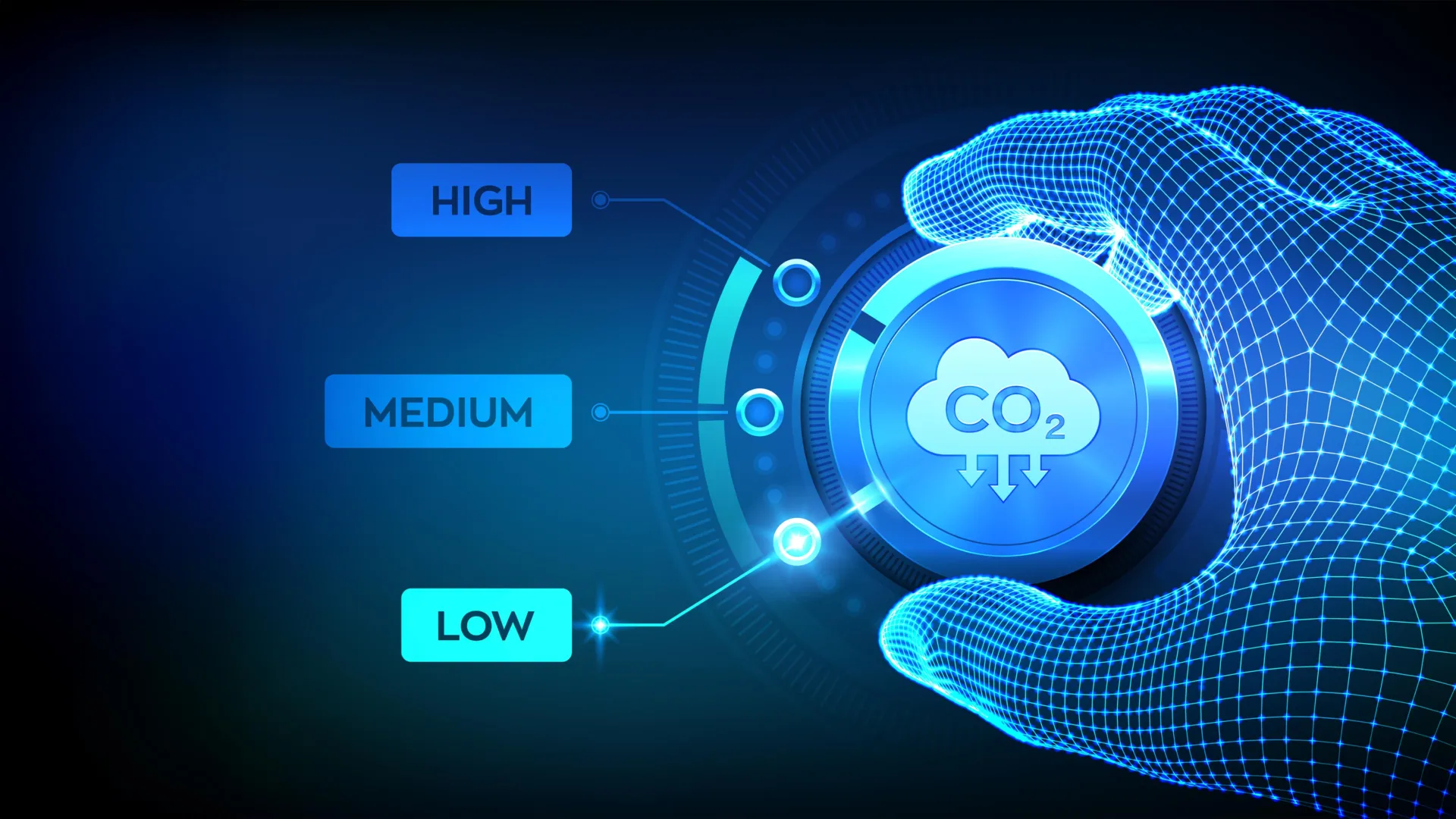
Innovative Electrode Technology for CO2 Capture and Conversion: Advancing Sustainable Development Goals
Introduction
Exhaust gases from residential furnaces, fireplaces, and industrial facilities emit carbon dioxide (CO2), contributing significantly to air pollution and climate change. Addressing this issue aligns with several Sustainable Development Goals (SDGs), including SDG 13 (Climate Action) and SDG 9 (Industry, Innovation, and Infrastructure). Recent research published in ACS Energy Letters presents a novel electrode designed to capture CO2 directly from the air and convert it into formic acid, a valuable chemical. This advancement supports SDG 12 (Responsible Consumption and Production) by promoting sustainable industrial processes.
Challenges in CO2 Conversion
While natural processes like photosynthesis capture CO2, transforming captured carbon dioxide into useful products remains challenging. This step is critical for the widespread adoption of carbon capture technologies, contributing to SDG 7 (Affordable and Clean Energy) and SDG 11 (Sustainable Cities and Communities).
Industrial exhaust typically contains CO2 mixed with nitrogen and oxygen, complicating conversion efforts. Existing technologies require CO2 to be pre-separated and concentrated, limiting practical application. The research team, including Donglai Pan, Myoung Hwan Oh, and Wonyong Choi, aimed to develop a system capable of operating under realistic flue gas conditions, directly converting low concentrations of CO2 into valuable chemicals.
Design and Functionality of the Three-Layer Electrode
- CO2 Capture Layer: Material designed to trap carbon dioxide efficiently.
- Gas-Permeable Carbon Paper: Allows gas flow through the electrode.
- Catalytic Layer: Composed of tin(IV) oxide, facilitates the conversion of CO2 into formic acid.
This integrated design enables simultaneous capture and conversion of CO2, streamlining the process and enhancing efficiency. The production of formic acid supports SDG 8 (Decent Work and Economic Growth) by enabling sustainable industrial applications.
Performance Under Real-World Conditions
- Laboratory Testing: The electrode demonstrated approximately 40% higher efficiency than existing electrodes when exposed to pure CO2.
- Simulated Flue Gas Testing: Under a gas mixture of 15% CO2, 8% oxygen, and 77% nitrogen, the electrode maintained substantial formic acid production, outperforming other technologies.
- Ambient Air Operation: The system effectively captured and converted CO2 at atmospheric concentrations, indicating potential for broad environmental applications.
This technology offers a promising pathway for integrating carbon capture and utilization into industrial processes, directly contributing to SDG 13 (Climate Action) and SDG 9 (Industry, Innovation, and Infrastructure). Furthermore, the approach could be adapted to capture other greenhouse gases such as methane, expanding its impact on global greenhouse gas reduction efforts.
Conclusion and Future Perspectives
The development of this three-layer electrode represents a significant advancement toward sustainable carbon management, aligning with multiple Sustainable Development Goals. By combining CO2 capture and conversion in a single device, the technology simplifies processes and enhances practicality for industrial application. Continued innovation and adaptation of this technology could accelerate progress toward a low-carbon economy and support global climate targets.
Funding for this research was provided by the National Research Foundation of Korea.
1. Sustainable Development Goals (SDGs) Addressed or Connected
- SDG 13: Climate Action
- The article focuses on reducing carbon dioxide emissions, a major contributor to climate change.
- The development of technology to capture and convert CO2 directly from the air aligns with efforts to mitigate climate change impacts.
- SDG 9: Industry, Innovation and Infrastructure
- The article discusses innovative electrode technology designed to improve carbon capture and conversion processes.
- This reflects advancements in sustainable industrial technologies and infrastructure.
- SDG 12: Responsible Consumption and Production
- By converting CO2 into formic acid, a useful chemical, the technology promotes resource efficiency and sustainable production.
2. Specific Targets Under Those SDGs Identified
- SDG 13: Climate Action
- Target 13.2: Integrate climate change measures into national policies, strategies, and planning.
- Target 13.3: Improve education, awareness-raising and human and institutional capacity on climate change mitigation.
- SDG 9: Industry, Innovation and Infrastructure
- Target 9.4: Upgrade infrastructure and retrofit industries to make them sustainable, with increased resource-use efficiency and greater adoption of clean and environmentally sound technologies.
- SDG 12: Responsible Consumption and Production
- Target 12.5: Substantially reduce waste generation through prevention, reduction, recycling and reuse.
- Target 12.6: Encourage companies, especially large and transnational companies, to adopt sustainable practices and to integrate sustainability information into their reporting cycle.
3. Indicators Mentioned or Implied to Measure Progress
- Efficiency of CO2 Capture and Conversion
- The article mentions the electrode’s performance, such as 40% higher efficiency compared to existing technologies, which can serve as an indicator of technological advancement and effectiveness.
- Amount of CO2 Captured and Converted
- The quantity of formic acid produced from captured CO2 under realistic flue gas conditions is an indicator of successful carbon utilization.
- Adaptability to Real-World Conditions
- The ability of the electrode to operate under ambient air conditions and with mixed gases indicates practical applicability, which can be measured by operational stability and output under such conditions.
4. Table: SDGs, Targets and Indicators
| SDGs | Targets | Indicators |
|---|---|---|
| SDG 13: Climate Action |
|
|
| SDG 9: Industry, Innovation and Infrastructure |
|
|
| SDG 12: Responsible Consumption and Production |
|
|
Source: sciencedaily.com
What is Your Reaction?
 Like
1
Like
1
 Dislike
0
Dislike
0
 Love
0
Love
0
 Funny
0
Funny
0
 Angry
0
Angry
0
 Sad
0
Sad
0
 Wow
1
Wow
1