




































Brooklyn high school becomes first in NYC to heat entirely with vegetable oil biofuel. Here’s how it works. – CBS News
Brooklyn High School Pioneers Renewable Energy with Vegetable Oil Biofuel
Introduction to Sustainable Heating Initiative
Edward R. Murrow High School in Brooklyn has become the first public high school in New York City to fully convert its heating system to vegetable oil biofuel, marking a significant step towards achieving the Sustainable Development Goals (SDGs), particularly SDG 7 (Affordable and Clean Energy) and SDG 13 (Climate Action).
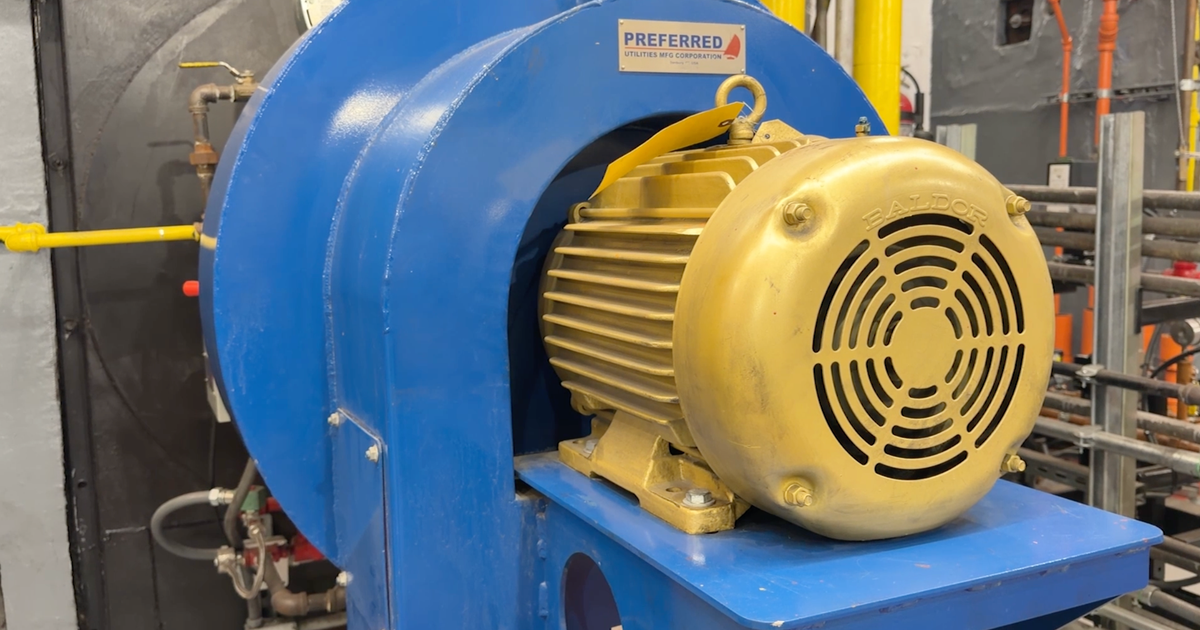
The school’s heating system, located in the basement, consists of four boilers that serve approximately 4,000 students. Unlike traditional fossil fuels, these boilers operate on a renewable, low-emission vegetable oil biofuel, demonstrating a scalable model for other urban buildings.
Potential for Citywide Implementation
- Scalability: Jesse John, the school’s sustainability and greenhouse coordinator, emphasized the potential to implement this system in various city buildings such as hospitals, libraries, and apartment complexes.
- Carbon Emission Reduction: Widespread adoption could significantly reduce carbon emissions, supporting SDG 11 (Sustainable Cities and Communities) by improving urban air quality.
Understanding the Biofuel Technology
Source and Processing of Biofuel
The vegetable oil biofuel used is derived from repurposed cooking oil, commonly known as “French fry oil.” This oil is processed with catalysts and additives to convert it into diesel fuel suitable for the school’s boilers.
Addressing Local Environmental Challenges
- The school is situated in a neighborhood with high vehicle congestion and heavy truck traffic, contributing to air pollution.
- By replacing legacy fossil fuels with biofuel, the initiative directly supports SDG 3 (Good Health and Well-being) by aiming to improve air quality and reduce respiratory issues among residents.
Performance and Community Impact
Cold-Weather Performance
Since the retrofit last year, the biofuel heating system has successfully passed its first winter test. Despite severe cold temperatures, the building maintained consistent heating without any reported issues.
Student Perspectives on Sustainability
- Adriana Nicholson, a junior, highlighted the health benefits of reduced carbon emissions, particularly for individuals with asthma.
- Senior Margaret Dicus noted the project’s influence on her understanding of community-level environmental impact, reinforcing SDG 4 (Quality Education) by integrating sustainability awareness into student experiences.
Educational Integration of Sustainability Practices
Hands-On Environmental Learning
The school’s sustainability efforts extend beyond heating to include an environmental lab where students engage in hydroponic farming powered partially by an aquarium system that recycles fish waste. Additionally, a greenhouse cultivating basil and radishes serves as a practical classroom for understanding sustainable food systems, aligning with SDG 12 (Responsible Consumption and Production).
Student Engagement and Empowerment
Students like Zoe King express enthusiasm about their active role in sustainability, reflecting the school’s commitment to fostering environmental stewardship and community involvement.
Conclusion
Edward R. Murrow High School’s innovative use of vegetable oil biofuel for campus heating exemplifies a practical approach to achieving multiple Sustainable Development Goals. This initiative not only reduces carbon emissions and improves local air quality but also educates and empowers the next generation to pursue sustainable development within their communities.
1. Sustainable Development Goals (SDGs) Addressed or Connected
- SDG 7: Affordable and Clean Energy
- The article discusses the use of vegetable oil biofuel as a renewable energy source to heat a public high school, highlighting a shift from fossil fuels to cleaner energy.
- SDG 11: Sustainable Cities and Communities
- The initiative aims to reduce carbon emissions in a congested urban neighborhood, improving air quality and sustainability in the community.
- SDG 12: Responsible Consumption and Production
- The repurposing of vegetable oil (e.g., French fry oil) into biofuel reflects sustainable consumption and waste reduction practices.
- SDG 13: Climate Action
- The project contributes to reducing greenhouse gas emissions and mitigating climate change impacts.
- SDG 4: Quality Education
- The integration of sustainability education through environmental labs and hydroponic food systems promotes awareness and skills related to sustainable development.
2. Specific Targets Under Those SDGs Identified
- SDG 7: Affordable and Clean Energy
- Target 7.2: Increase substantially the share of renewable energy in the global energy mix.
- SDG 11: Sustainable Cities and Communities
- Target 11.6: Reduce the adverse per capita environmental impact of cities, including air quality improvement.
- SDG 12: Responsible Consumption and Production
- Target 12.5: Substantially reduce waste generation through prevention, reduction, recycling, and reuse.
- SDG 13: Climate Action
- Target 13.2: Integrate climate change measures into policies and planning.
- SDG 4: Quality Education
- Target 4.7: Ensure that all learners acquire knowledge and skills needed to promote sustainable development.
3. Indicators Mentioned or Implied to Measure Progress
- SDG 7 Indicators
- Proportion of energy from renewable sources used in the school (implied by the use of vegetable oil biofuel instead of fossil fuels).
- SDG 11 Indicators
- Air quality measurements or reduction in local carbon emissions (implied by the goal to reduce emissions in a congested neighborhood).
- SDG 12 Indicators
- Amount of vegetable oil waste repurposed as biofuel (implied by the use of repurposed French fry oil).
- SDG 13 Indicators
- Reduction in greenhouse gas emissions from heating systems (implied by the transition to low-emission biofuel).
- SDG 4 Indicators
- Number of students engaged in sustainability education programs and practical activities such as hydroponics and environmental labs.
4. Table of SDGs, Targets, and Indicators
| SDGs | Targets | Indicators |
|---|---|---|
| SDG 7: Affordable and Clean Energy | Target 7.2: Increase substantially the share of renewable energy in the global energy mix. | Proportion of energy from renewable sources used in the school (vegetable oil biofuel usage). |
| SDG 11: Sustainable Cities and Communities | Target 11.6: Reduce the adverse per capita environmental impact of cities, including air quality improvement. | Air quality measurements; reduction in local carbon emissions. |
| SDG 12: Responsible Consumption and Production | Target 12.5: Substantially reduce waste generation through prevention, reduction, recycling, and reuse. | Amount of vegetable oil waste repurposed as biofuel. |
| SDG 13: Climate Action | Target 13.2: Integrate climate change measures into policies and planning. | Reduction in greenhouse gas emissions from heating systems. |
| SDG 4: Quality Education | Target 4.7: Ensure that all learners acquire knowledge and skills needed to promote sustainable development. | Number of students participating in sustainability education and practical environmental activities. |
Source: cbsnews.com
What is Your Reaction?
 Like
0
Like
0
 Dislike
0
Dislike
0
 Love
0
Love
0
 Funny
0
Funny
0
 Angry
0
Angry
0
 Sad
0
Sad
0
 Wow
0
Wow
0