
















UN says world must jointly tackle issues of climate change, pollution, biodiversity and land loss – ABC News

United Nations Report Calls for Integrated Approach to Environmental Crises Aligned with Sustainable Development Goals
Introduction
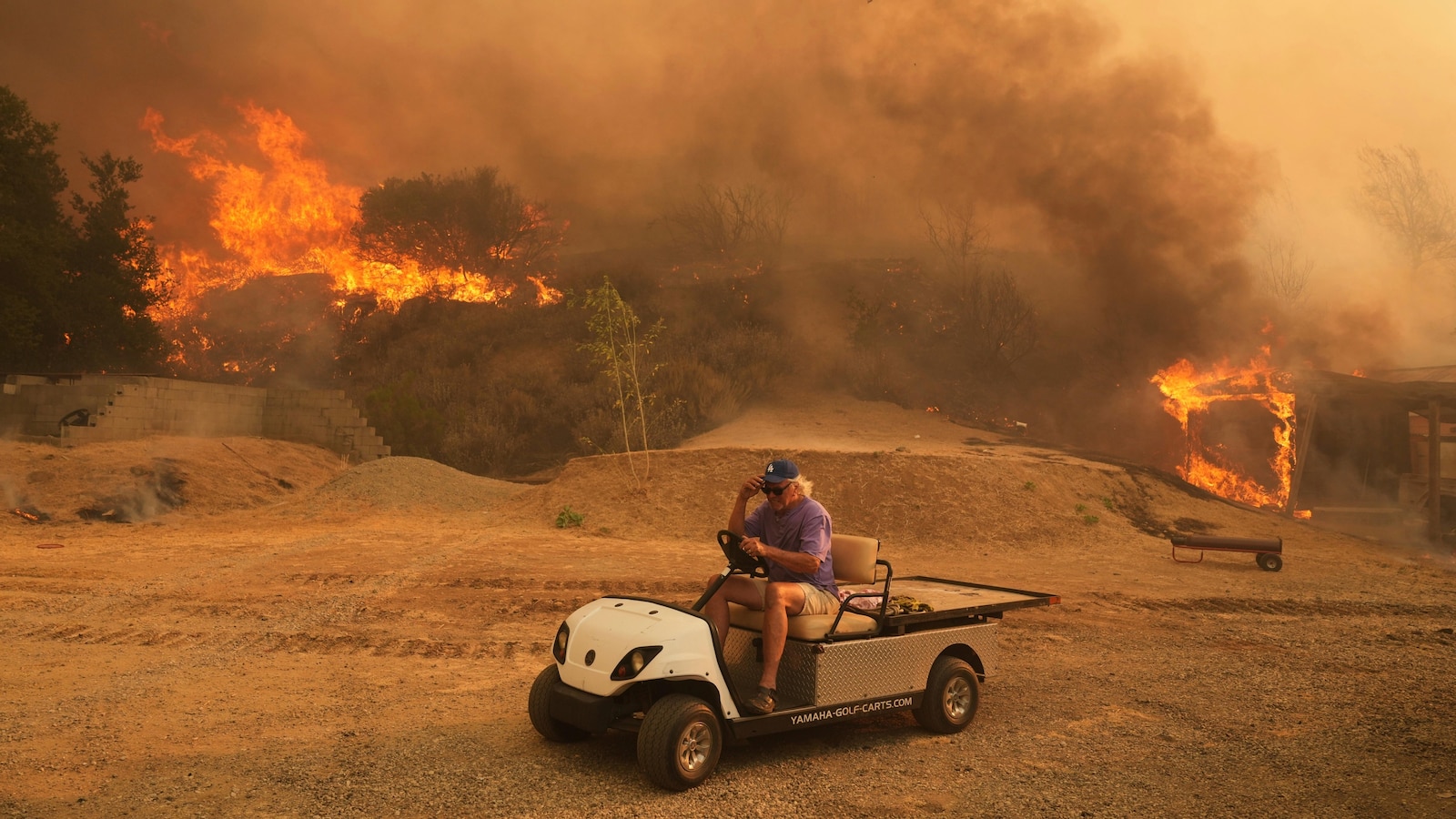
A recent United Nations Environment Programme (UNEP) report emphasizes the urgent need for a new, comprehensive approach to address the interconnected environmental crises threatening human health and the planet. These crises include climate change, biodiversity loss, land degradation, and pollution. The report highlights the importance of aligning global efforts with the Sustainable Development Goals (SDGs) to ensure a sustainable future.
Key Environmental Challenges and Their Interconnections
- Climate Change: Emissions of greenhouse gases reached record highs in 2024, primarily due to fossil fuel combustion, undermining SDG 13 (Climate Action).
- Biodiversity Loss: Over 1 million plant and animal species face extinction, threatening SDG 15 (Life on Land).
- Land Degradation: Approximately 40% of global land area is degraded, impacting SDG 15 and SDG 2 (Zero Hunger) through food security risks.
- Pollution: Pollution contributes to an estimated 9 million deaths annually, affecting SDG 3 (Good Health and Well-being).
Integrated Solutions and Policy Recommendations
The UNEP report advocates for a holistic strategy that integrates efforts across governments, the financial sector, industry, and civil society. Key recommendations include:
- Increased Investment: Approximately $8 trillion annually is required to achieve net-zero emissions by 2050 and restore biodiversity, supporting SDG 7 (Affordable and Clean Energy) and SDG 15.
- Transition from Fossil Fuels: Financial incentives and policies must promote renewable energy and sustainable agricultural practices, advancing SDG 12 (Responsible Consumption and Production).
- Circular Economy Adoption: Recognizing natural resource limitations to reduce waste and pollution, aligned with SDG 11 (Sustainable Cities and Communities) and SDG 12.
- Cross-sector Collaboration: Coordinated action involving all sectors to ensure sustainable development and economic transformation beyond GDP metrics, in line with SDG 8 (Decent Work and Economic Growth).
Implications for Global Security and Economy
- Environmental degradation exacerbates poverty, health issues, and threatens food, water, and national security, directly impacting SDG 1 (No Poverty), SDG 2, and SDG 6 (Clean Water and Sanitation).
- Economic benefits from sustainable investments are projected to surpass costs by 2050, potentially reaching $100 trillion annually by 2070, reinforcing the business case for sustainability.
Challenges to International Cooperation
Despite the urgency, international collaboration faces obstacles:
- Withdrawal of key nations from agreements such as the Paris Agreement undermines collective progress toward SDG 13.
- Recent international negotiations on climate and pollution have stalled, highlighting the need for renewed commitment.
- Political resistance and divergent national interests pose risks to achieving the SDGs.
Conclusion and Outlook
The UNEP report underscores that addressing environmental crises requires unprecedented systemic transformation aligned with the Sustainable Development Goals. While challenges remain, some countries are expected to advance sustainability initiatives, fostering a healthier planet and society. The report stresses that the future of human well-being depends on decisive, integrated action now.
References
- United Nations Environment Programme Global Environment Outlook Report, 2024
- Paris Agreement, 2015
- Sustainable Development Goals, United Nations
1. Sustainable Development Goals (SDGs) Addressed in the Article
- SDG 13: Climate Action – The article focuses heavily on climate change, greenhouse gas emissions, and the need for urgent climate action.
- SDG 15: Life on Land – Issues such as biodiversity loss, land degradation, and species extinction are discussed.
- SDG 3: Good Health and Well-being – Pollution contributing to millions of deaths annually and health impacts from environmental degradation are highlighted.
- SDG 12: Responsible Consumption and Production – The article mentions the need for a circular economy and sustainable agricultural practices.
- SDG 7: Affordable and Clean Energy – Transitioning away from fossil fuels and promoting renewable energy are emphasized.
- SDG 2: Zero Hunger – Threats to food security due to environmental crises are mentioned.
- SDG 6: Clean Water and Sanitation – Water security is referenced as being threatened by environmental issues.
2. Specific Targets Under Those SDGs Identified in the Article
- SDG 13 – Climate Action
- Target 13.2: Integrate climate change measures into national policies, strategies, and planning.
- Target 13.3: Improve education, awareness-raising, and human and institutional capacity on climate change mitigation and adaptation.
- SDG 15 – Life on Land
- Target 15.1: Ensure the conservation, restoration, and sustainable use of terrestrial and inland freshwater ecosystems.
- Target 15.5: Take urgent action to reduce the degradation of natural habitats and halt biodiversity loss.
- SDG 3 – Good Health and Well-being
- Target 3.9: Reduce the number of deaths and illnesses from hazardous chemicals and air, water, and soil pollution and contamination.
- SDG 12 – Responsible Consumption and Production
- Target 12.2: Achieve the sustainable management and efficient use of natural resources.
- Target 12.5: Substantially reduce waste generation through prevention, reduction, recycling, and reuse.
- SDG 7 – Affordable and Clean Energy
- Target 7.2: Increase substantially the share of renewable energy in the global energy mix.
- SDG 2 – Zero Hunger
- Target 2.4: Ensure sustainable food production systems and implement resilient agricultural practices.
- SDG 6 – Clean Water and Sanitation
- Target 6.4: Increase water-use efficiency across all sectors to ensure sustainable withdrawals and supply of freshwater.
3. Indicators Mentioned or Implied in the Article to Measure Progress
- Greenhouse Gas Emissions Levels – The article mentions emissions reaching a new high in 2024 and the goal of net-zero emissions by 2050, which relates to indicators measuring CO2 and other greenhouse gas emissions.
- Global Temperature Rise – Reference to limiting warming to 1.5°C and current trajectory of 2.4°C by 2100 implies the use of global average temperature rise as an indicator.
- Land Degradation Extent – The article states that up to 40% of land area is degraded, implying indicators measuring land quality and degradation rates.
- Biodiversity Status – Mention of more than 1 million species facing extinction implies indicators tracking species extinction risk and biodiversity loss.
- Pollution-Related Mortality – Pollution contributing to an estimated 9 million deaths annually suggests indicators measuring mortality and morbidity related to pollution exposure.
- Investment in Sustainable Practices – The $8 trillion annual investment needed for net-zero and biodiversity restoration implies indicators related to financial flows towards sustainable development.
- Renewable Energy Share – The need to transition from fossil fuels to renewable energy implies indicators measuring the share of renewable energy in total energy consumption.
- Waste Generation and Recycling Rates – The call for circular economy and waste reduction suggests indicators on waste generation and recycling percentages.
4. Table: SDGs, Targets and Indicators
| SDGs | Targets | Indicators |
|---|---|---|
| SDG 13: Climate Action |
|
|
| SDG 15: Life on Land |
|
|
| SDG 3: Good Health and Well-being |
|
|
| SDG 12: Responsible Consumption and Production |
|
|
| SDG 7: Affordable and Clean Energy |
|
|
| SDG 2: Zero Hunger |
|
|
| SDG 6: Clean Water and Sanitation |
|
|
Source: cbc.news
What is Your Reaction?
 Like
0
Like
0
 Dislike
0
Dislike
0
 Love
0
Love
0
 Funny
0
Funny
0
 Angry
0
Angry
0
 Sad
0
Sad
0
 Wow
0
Wow
0