
























































DROUGHT LOWERS BISCAYNE AQUIFER, RESULTING IN A WATER SHORTAGE WARNING – Keys Weekly Newspapers
Water Shortage Warning Issued for Florida Keys and Surrounding Counties
Context and Impact on Water Resources
The South Florida Water Management District (SFWMD) has issued a water shortage warning for the Florida Keys and neighboring counties due to a combination of drought conditions and increased water demand. This situation highlights critical challenges related to Sustainable Development Goal (SDG) 6: Clean Water and Sanitation, emphasizing the need for sustainable management of water resources.
Drought has caused significantly low water levels in the Biscayne Aquifer, an essential underground freshwater source serving southern Palm Beach, Broward, Miami-Dade, and Monroe counties. Since November, Miami-Dade County has recorded only 3.72 inches of rainfall, approximately half the normal amount, contributing to the aquifer’s depletion.
Current Groundwater Status and Conservation Efforts
- Groundwater levels are low at most monitoring stations within the region.
- Several wells show water levels in the lower 10th percentile of historic data, lower than previous shortages in 2007, 2009, and 2011.
- The SFWMD emphasizes the urgent need for groundwater conservation to prevent further decline in aquifer recharge.
This situation aligns with SDG 13: Climate Action, as it reflects the impacts of changing climate patterns on water availability and the necessity for adaptive water management strategies.
Water Supply and Treatment Operations
Despite the drought, the Florida Keys Aqueduct Authority (FKAA) continues to supply between 20 million and 22 million gallons of water daily to consumers across the island chain. The water supply system relies on two primary aquifers:
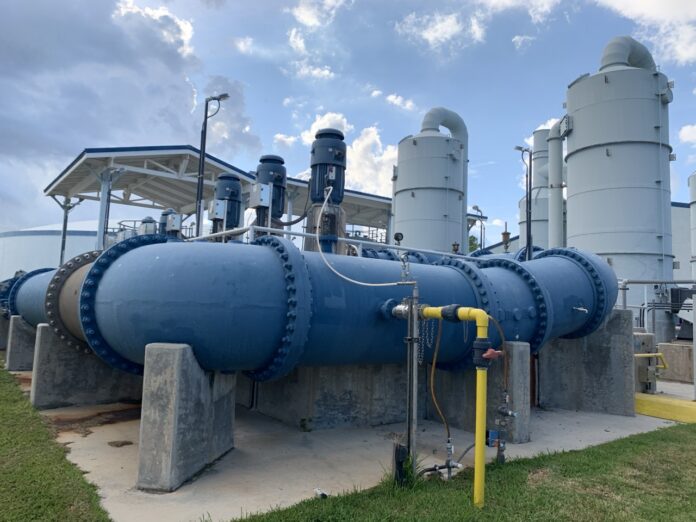
- Biscayne Aquifer: FKAA pumps approximately 17.75 to 18 million gallons daily, treating the water through a lime softening process.
- Floridan Aquifer: A vast underground reservoir spanning 100,000 square miles beneath Florida and parts of neighboring states. Water from this source is more brackish and undergoes low-pressure reverse osmosis treatment.
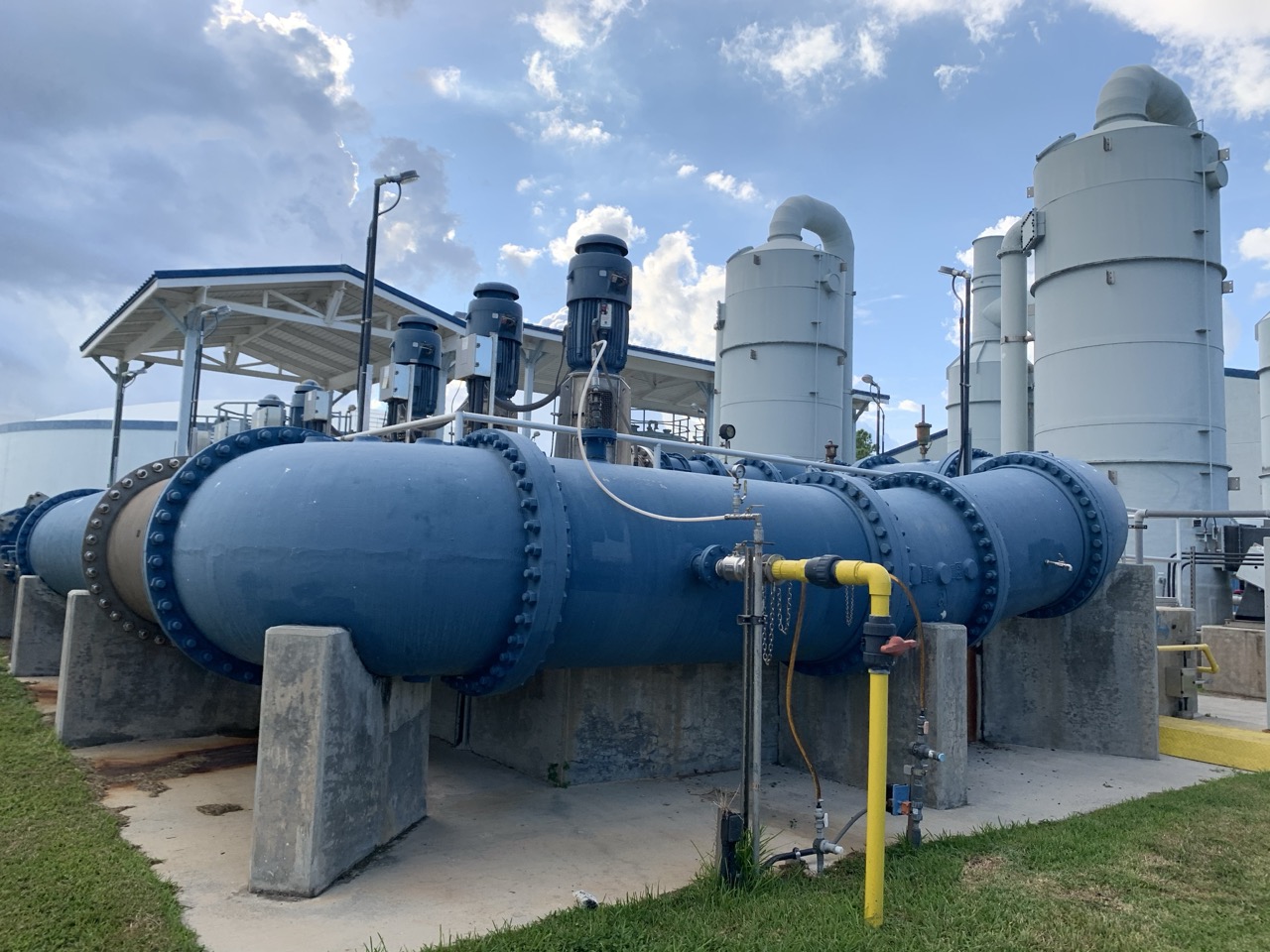
Additionally, FKAA has recently activated a new reverse osmosis plant on Stock Island, capable of pumping 2 million gallons daily, with potential expansion to 4 million gallons. This infrastructure supports SDG 9: Industry, Innovation, and Infrastructure by enhancing water treatment capabilities.
Adaptive Measures and Future Preparedness
- FKAA has adjusted pumping operations by reducing Biscayne Aquifer withdrawals by one million gallons per day and compensating with increased Floridan Aquifer extraction.
- The reverse osmosis plant operates continuously as needed to meet water demand.
- These measures ensure uninterrupted water service to consumers, supporting SDG 11: Sustainable Cities and Communities.
Environmental and Hydrological Considerations
The Biscayne Aquifer is primarily recharged by water from the Everglades, which typically receives 50 to 60 inches of annual rainfall. According to the Everglades Foundation and hydrogeologist Anteneh Abiy, the Everglades’ water percolates through limestone formations, acting as an “underground river” that replenishes the aquifer. This natural recharge process is vital for maintaining water security and aligns with SDG 15: Life on Land, emphasizing ecosystem conservation.
Regional Water Shortage and Conservation Recommendations
Beyond the Biscayne Aquifer, drought conditions have prompted water shortage warnings in counties such as Collier, Glades, Highlands, and Lee, which depend on the Lower Tamiami Aquifer and Indian Prairie Basin. Without significant rainfall, further declines in groundwater and surface water levels are expected through the dry season, typically lasting until May.
The SFWMD has issued a voluntary water use reduction advisory, recommending measures including:
- Reducing irrigation of landscaping
- Conserving groundwater sources
Staff will continue monitoring water usage and resource levels to evaluate the effectiveness of these conservation efforts. Should conditions deteriorate, mandatory water use restrictions may be implemented in critical areas, reinforcing the importance of community engagement in achieving SDG 12: Responsible Consumption and Production.
1. Sustainable Development Goals (SDGs) Addressed or Connected
- SDG 6: Clean Water and Sanitation
- The article focuses on water scarcity, groundwater depletion, water treatment, and conservation efforts, directly relating to ensuring availability and sustainable management of water.
- SDG 13: Climate Action
- Drought conditions and changing rainfall patterns imply climate variability impacts, linking to climate action goals to combat climate change and its impacts.
- SDG 15: Life on Land
- The recharge of the Biscayne Aquifer from the Everglades highlights the importance of protecting terrestrial ecosystems and freshwater resources.
2. Specific Targets Under Those SDGs Identified
- SDG 6: Clean Water and Sanitation
- Target 6.1: Achieve universal and equitable access to safe and affordable drinking water for all — addressed by maintaining water supply despite drought.
- Target 6.3: Improve water quality by reducing pollution and minimizing release of hazardous materials — implied by water treatment processes like lime softening and reverse osmosis.
- Target 6.4: Substantially increase water-use efficiency across all sectors — reflected in voluntary water use reductions and conservation measures.
- Target 6.6: Protect and restore water-related ecosystems — linked to the importance of the Everglades in aquifer recharge.
- SDG 13: Climate Action
- Target 13.1: Strengthen resilience and adaptive capacity to climate-related hazards — drought monitoring and water shortage warnings are examples of adaptive measures.
- SDG 15: Life on Land
- Target 15.1: Ensure conservation, restoration and sustainable use of terrestrial and inland freshwater ecosystems — implied by the focus on the Everglades as a recharge source.
3. Indicators Mentioned or Implied to Measure Progress
- Groundwater Levels Monitoring
- Water levels in wells and monitoring stations, including measurements in the lower 10th percentile of historic levels, are used to assess aquifer status.
- Rainfall Measurements
- Rainfall data (e.g., 3.72 inches since November, about half the normal amount) is used to track drought severity and water availability.
- Water Usage and Supply Volumes
- Daily gallons pumped from Biscayne and Floridan Aquifers and reverse osmosis plants indicate water supply management and efficiency.
- Monitoring voluntary water use reductions and potential mandatory restrictions measure conservation effectiveness.
- Water Quality Indicators
- Use of lime softening and reverse osmosis treatment processes imply monitoring of water quality parameters to ensure safe drinking water.
4. Table of SDGs, Targets, and Indicators
| SDGs | Targets | Indicators |
|---|---|---|
| SDG 6: Clean Water and Sanitation |
|
|
| SDG 13: Climate Action |
|
|
| SDG 15: Life on Land |
|
|
Source: keysweekly.com
What is Your Reaction?
 Like
0
Like
0
 Dislike
0
Dislike
0
 Love
0
Love
0
 Funny
0
Funny
0
 Angry
0
Angry
0
 Sad
0
Sad
0
 Wow
0
Wow
0