




































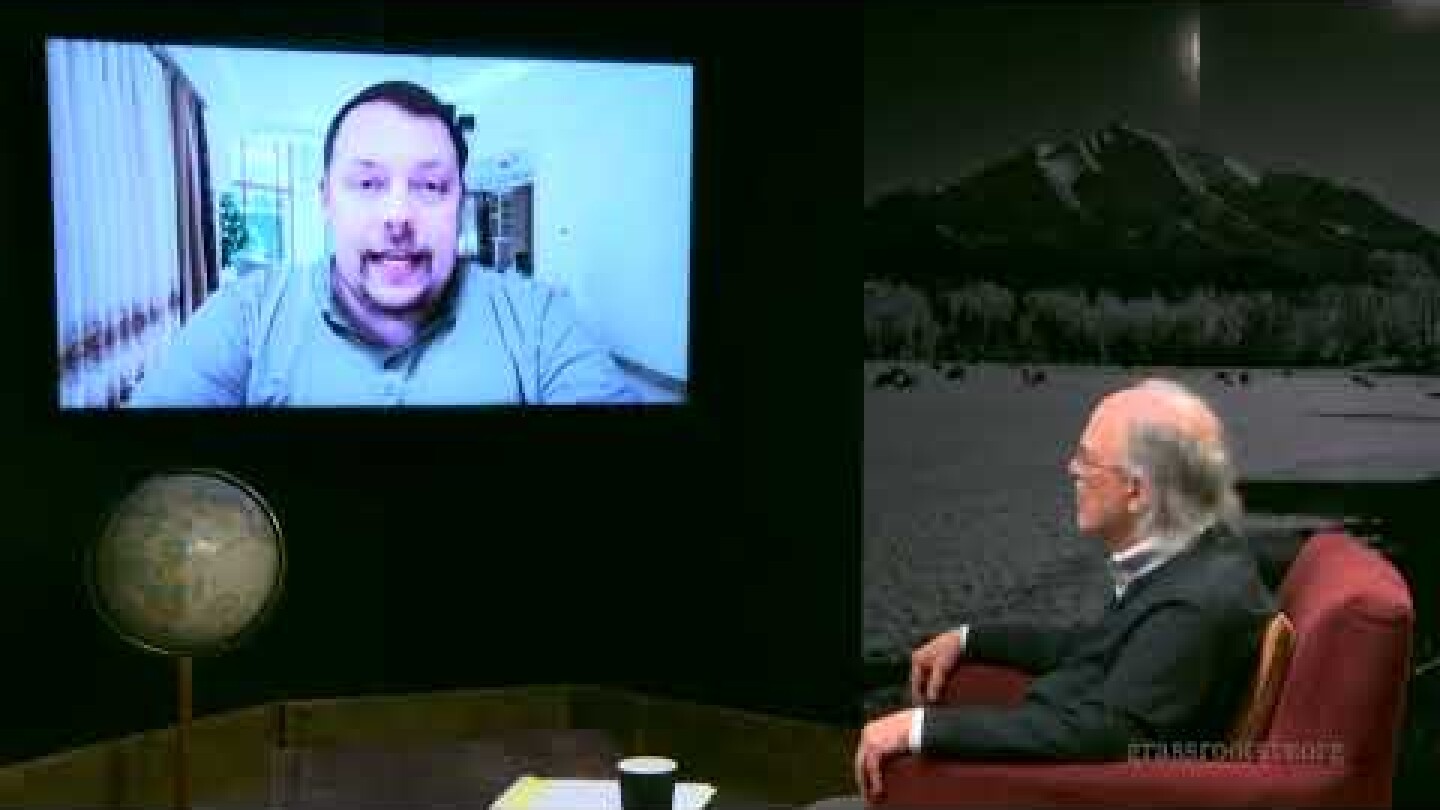
Crimes Against Humanity in Iran | Gregg Roman on Come to Think of It – Middle East Forum
Report on the Nationwide Iranian Protests and Their Implications for Sustainable Development Goals (SDGs)
Introduction
This report examines the nationwide protests in Iran that began in late December, highlighting the underlying causes, government response, and broader implications with a focus on the United Nations Sustainable Development Goals (SDGs). The analysis is based on insights from Gregg Roman, Executive Director of the Middle East Forum (MEF), as discussed in the program Come to Think of It.
Background and Causes of the Protests
The protests in Iran are rooted in long-term economic failures and political repression, which directly impact several SDGs:
- SDG 1: No Poverty – Economic hardships including hyperinflation have severely affected livelihoods.
- SDG 6: Clean Water and Sanitation – Water shortages have been a critical grievance.
- SDG 7: Affordable and Clean Energy – Electricity shortages exacerbate living conditions.
- SDG 16: Peace, Justice, and Strong Institutions – Political repression and corruption undermine governance and social justice.
Key historical protest waves over the past 17 years, including the Green Movement in 2009 and labor strikes in 2019, culminated in the December 27, 2022 bazaar strikes, signaling a nationwide economic shutdown not seen since 1979.
Spread and Scale of the Protests
- Initial protests began in Tehran and rapidly expanded to 191 cities.
- Millions participated, shutting down the economy and protesting nightly.
- The widespread nature of the protests reflects deep societal discontent and a demand for systemic change, aligning with SDG 10: Reduced Inequalities and SDG 8: Decent Work and Economic Growth.
Government Response and Human Rights Violations
On January 8–9, the Iranian regime escalated its crackdown dramatically:
- Internet and communications were shut down, violating SDG 16 principles of transparency and access to information.
- Lethal force was deployed, including snipers and heavy weapons against civilians.
- Reports indicate targeted executions of wounded protesters in hospitals.
- Foreign Shiite militias were allegedly employed to suppress dissent, with financial incentives linked to killings.
- Families of victims faced coercive measures, including exorbitant fees to retrieve bodies and restrictions on mourning rituals.
This response constitutes severe violations of SDG 16 and SDG 3: Good Health and Well-being, as well as fundamental human rights.
Premeditation and Security Apparatus
The crackdown was not spontaneous but premeditated:
- Since 2004, Iran decentralized its security forces, appointing commanders regionally.
- Heavy weaponry was strategically dispersed across provinces since 2009.
- The regime’s preparedness underscores systemic repression and the prioritization of control over citizens’ welfare, contradicting SDG 16.
Potential for Renewed Protests
According to cultural practices, the 40-day mourning period in mid-February may trigger renewed demonstrations:
- Public remembrance events could mobilize tens of thousands of families.
- Protests are increasingly anti-regime, reflecting a shift towards demands for political reform and justice.
- This ongoing unrest highlights the urgent need for progress on SDG 16 and SDG 10.
MEF’s Role and Initiatives
The Middle East Forum is actively engaged in supporting sustainable change in Iran through:
- The Iran Freedom Project, which aims to unify opposition groups.
- Training in nonviolent resistance and humanitarian aid.
- Efforts to build a viable alternative governance model that aligns with SDGs promoting peace, justice, and inclusive institutions.
Conclusion
The Iranian protests represent a critical juncture with profound implications for multiple Sustainable Development Goals, especially those related to poverty alleviation, health, justice, and governance. The international community’s awareness and response are essential to support the Iranian people’s aspirations for a sustainable and just future.
Further Information
- Visit the Middle East Forum website: meforum.org
- Follow on social media: @meforum
- Explore detailed Iran coverage and the Iran Freedom Project through MEF resources.
1. Which SDGs are addressed or connected to the issues highlighted in the article?
- SDG 16: Peace, Justice and Strong Institutions
- The article discusses political repression, mass killings, human rights violations, and lack of justice in Iran.
- It highlights the use of lethal force against protesters and suppression of freedom of expression and assembly.
- SDG 1: No Poverty
- Economic failure, hyperinflation, and poverty-related issues such as inability to afford basic services are mentioned.
- SDG 6: Clean Water and Sanitation
- Water shortages are cited as one of the triggers for the protests.
- SDG 7: Affordable and Clean Energy
- Electricity shortages and mismanagement are noted as contributing factors to unrest.
- SDG 10: Reduced Inequalities
- Corruption and unequal treatment, including coercive measures against victims’ families, reflect social inequalities.
- SDG 3: Good Health and Well-being
- Reports of wounded protesters being executed in hospitals and the large number of injuries indicate threats to health and well-being.
2. What specific targets under those SDGs can be identified based on the article’s content?
- SDG 16: Peace, Justice and Strong Institutions
- Target 16.1: Significantly reduce all forms of violence and related death rates everywhere.
- Target 16.3: Promote the rule of law at the national and international levels and ensure equal access to justice for all.
- Target 16.10: Ensure public access to information and protect fundamental freedoms, in accordance with national legislation and international agreements.
- SDG 1: No Poverty
- Target 1.2: Reduce at least by half the proportion of men, women and children living in poverty in all its dimensions according to national definitions.
- Target 1.4: Ensure that all men and women have equal rights to economic resources, as well as access to basic services.
- SDG 6: Clean Water and Sanitation
- Target 6.1: Achieve universal and equitable access to safe and affordable drinking water for all.
- SDG 7: Affordable and Clean Energy
- Target 7.1: Ensure universal access to affordable, reliable and modern energy services.
- SDG 10: Reduced Inequalities
- Target 10.2: Empower and promote the social, economic and political inclusion of all, irrespective of age, sex, disability, race, ethnicity, origin, religion or economic or other status.
- SDG 3: Good Health and Well-being
- Target 3.8: Achieve universal health coverage, including financial risk protection and access to quality essential health-care services.
3. Are there any indicators mentioned or implied in the article that can be used to measure progress towards the identified targets?
- Indicators related to SDG 16:
- Number of deaths due to violence (e.g., reported 50,000 to 60,000 killed during protests).
- Number of people injured or imprisoned due to political repression (e.g., 400,000 injured, tens of thousands imprisoned).
- Extent of internet and communication shutdowns affecting access to information.
- Reports of human rights violations such as extrajudicial killings.
- Indicators related to SDG 1:
- Rates of hyperinflation and economic hardship affecting population.
- Access to basic services such as water and electricity.
- Financial burdens on families (e.g., fees charged to retrieve bodies).
- Indicators related to SDG 6:
- Incidence and severity of water shortages reported nationwide.
- Indicators related to SDG 7:
- Frequency and duration of electricity shortages and outages.
- Indicators related to SDG 10:
- Reports of coercive measures and unequal treatment of victims’ families.
- Levels of corruption impacting social inclusion and equity.
- Indicators related to SDG 3:
- Number of injured individuals and access to healthcare services.
- Reports of denial or obstruction of medical care (e.g., executions in hospitals).
4. Table of SDGs, Targets and Indicators
| SDGs | Targets | Indicators |
|---|---|---|
| SDG 16: Peace, Justice and Strong Institutions |
|
|
| SDG 1: No Poverty |
|
|
| SDG 6: Clean Water and Sanitation |
|
|
| SDG 7: Affordable and Clean Energy |
|
|
| SDG 10: Reduced Inequalities |
|
|
| SDG 3: Good Health and Well-being |
|
|
Source: meforum.org
What is Your Reaction?
 Like
0
Like
0
 Dislike
0
Dislike
0
 Love
0
Love
0
 Funny
0
Funny
0
 Angry
0
Angry
0
 Sad
0
Sad
0
 Wow
0
Wow
0