
























































MoSo Farm practices sustainability, supports Athens – thepostathens.com
Report on MoSo Farm: Advancing Sustainable Agriculture and Local Economies Aligned with SDGs
Introduction
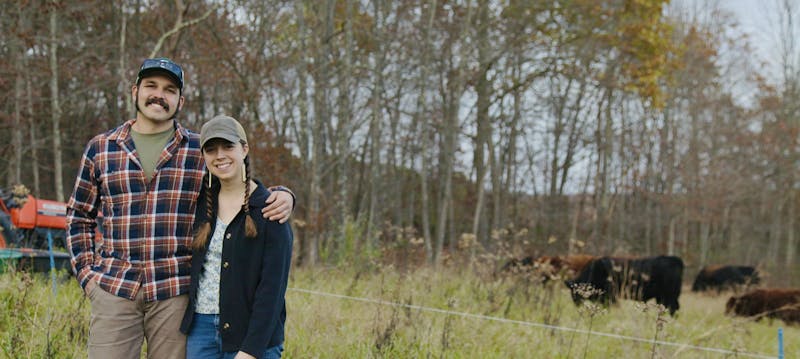
CJ Morgan and Molly Sowash are co-owners of MoSo Farm, located approximately 15 minutes southwest of Athens. Since its inception in 2020, MoSo Farm has focused on raising swine and cattle while emphasizing sustainable farming practices that align with the United Nations Sustainable Development Goals (SDGs), particularly SDG 2 (Zero Hunger), SDG 8 (Decent Work and Economic Growth), SDG 12 (Responsible Consumption and Production), and SDG 15 (Life on Land).
Farm Development and Community Engagement
- Founding and Growth: The farm started when Sowash purchased eight calves in 2020. Morgan joined full-time in 2024 after relocating and leaving his previous job at Wayne National Forest.
- Product Expansion: Initially selling half and whole freezer beef, MoSo Farm expanded to offer smaller individual cuts, obtaining necessary health department licenses to meet customer demand.
- Market Presence: Participation in the Athens farmers market since early 2024 enhanced community relationships and brand recognition.
- Local Partnerships: MoSo Farm supplies primary pork products to local restaurants such as Little Fish Brewing Co. and Casa Nueva, supporting local business ecosystems (SDG 8).
Economic Impact and Local Supply Chain
- MoSo Farm contributes to the local economy by purchasing supplies such as hay and animal feed from Southeast Ohio vendors, reinforcing SDG 8 and SDG 12.
- According to Ed Brown of The Ohio State University Extension, agriculture significantly impacts the regional economy, with millions of dollars generated through secondary supplies and equipment.
- The Ohio Department of Agriculture reported in 2025 that food and agriculture constitute Ohio’s leading industry, contributing $124 billion annually to the state economy.
Sustainable Farming Practices and Environmental Stewardship
MoSo Farm prioritizes sustainable agriculture methods that support SDG 15 (Life on Land) and SDG 13 (Climate Action):
- Management Intensive Grazing: Rotational grazing allows pastures to rest, improving soil health and biodiversity.
- Mineral Supplementation Program: A free-choice, cafeteria-style mineral program with 20 minerals enables cattle to self-supplement nutrients, enhancing animal health and soil nutrient replenishment.
- Soil Health and Ecosystem Benefits: Healthy soils reduce the need for chemical fertilizers, lower environmental impact, and sustain land productivity, contributing to SDG 15 and SDG 12.
Social and Cultural Contributions
- Morgan’s background in 4-H youth development and Sowash’s environmental focus reflect the farm’s commitment to community education and sustainable livelihoods (SDG 4: Quality Education).
- MoSo Farm’s collaboration with local restaurants and farmers markets fosters community cohesion and supports local food systems (SDG 11: Sustainable Cities and Communities).
Conclusion
MoSo Farm exemplifies a sustainable agricultural enterprise that integrates economic viability, environmental stewardship, and community engagement. Through their practices and partnerships, Morgan and Sowash contribute significantly to achieving multiple Sustainable Development Goals, including zero hunger, economic growth, responsible consumption, and life on land. Their ongoing efforts ensure that local ecosystems and economies thrive, benefiting both current and future generations.
1. Sustainable Development Goals (SDGs) Addressed or Connected
- SDG 2: Zero Hunger
- The article discusses sustainable farming practices and local food production, contributing to food security and sustainable agriculture.
- SDG 8: Decent Work and Economic Growth
- MoSo Farm supports local economies by sourcing supplies locally and providing employment opportunities.
- SDG 12: Responsible Consumption and Production
- The farm practices sustainable agriculture and promotes local consumption through farmers markets and restaurants.
- SDG 15: Life on Land
- The article highlights sustainable land management practices such as rotational grazing and soil health improvement.
- SDG 13: Climate Action
- By improving soil health and reducing fertilizer inputs, the farm contributes to climate mitigation efforts.
2. Specific Targets Under Those SDGs
- SDG 2: Zero Hunger
- Target 2.3: By 2030, double the agricultural productivity and incomes of small-scale food producers.
- Target 2.4: Ensure sustainable food production systems and implement resilient agricultural practices.
- SDG 8: Decent Work and Economic Growth
- Target 8.3: Promote development-oriented policies that support productive activities and decent job creation.
- Target 8.9: Promote sustainable tourism that creates jobs and promotes local culture and products.
- SDG 12: Responsible Consumption and Production
- Target 12.2: Achieve sustainable management and efficient use of natural resources.
- Target 12.8: Ensure that people have relevant information and awareness for sustainable development and lifestyles.
- SDG 15: Life on Land
- Target 15.3: Combat desertification, restore degraded land and soil.
- Target 15.1: Ensure conservation, restoration and sustainable use of terrestrial ecosystems.
- SDG 13: Climate Action
- Target 13.1: Strengthen resilience and adaptive capacity to climate-related hazards.
- Target 13.2: Integrate climate change measures into policies and planning.
3. Indicators Mentioned or Implied to Measure Progress
- SDG 2 Indicators
- Indicator 2.3.1: Volume of production per labor unit by classes of farming/pastoral/forestry enterprise size (implied by farm productivity and diversification of products).
- Indicator 2.4.1: Proportion of agricultural area under productive and sustainable agriculture (implied by sustainable grazing and soil health practices).
- SDG 8 Indicators
- Indicator 8.3.1: Proportion of informal employment in non-agriculture employment (implied by local employment and farm business development).
- Indicator 8.9.1: Tourism direct GDP as a proportion of total GDP and in growth rate (implied through local restaurant partnerships and economic impact).
- SDG 12 Indicators
- Indicator 12.2.1: Material footprint, material footprint per capita, and material footprint per GDP (implied by local sourcing and sustainable inputs).
- Indicator 12.8.1: Extent to which sustainable development information is incorporated in education and awareness-raising (implied by community engagement and education through farmers markets).
- SDG 15 Indicators
- Indicator 15.3.1: Proportion of land that is degraded over total land area (implied by soil health improvement and land management).
- Indicator 15.1.1: Forest area as a proportion of total land area (related to land management practices).
- SDG 13 Indicators
- Indicator 13.1.2: Number of countries with national and local disaster risk reduction strategies (implied by adaptive land management practices).
- Indicator 13.2.1: Number of countries that have communicated the establishment or operationalization of an integrated policy/strategy/plan (implied by sustainable farming methods).
4. Table of SDGs, Targets and Indicators
| SDGs | Targets | Indicators |
|---|---|---|
| SDG 2: Zero Hunger |
|
|
| SDG 8: Decent Work and Economic Growth |
|
|
| SDG 12: Responsible Consumption and Production |
|
|
| SDG 15: Life on Land |
|
|
| SDG 13: Climate Action |
|
|
Source: thepostathens.com
What is Your Reaction?
 Like
0
Like
0
 Dislike
0
Dislike
0
 Love
0
Love
0
 Funny
0
Funny
0
 Angry
0
Angry
0
 Sad
0
Sad
0
 Wow
0
Wow
0