
























































A triple threat to Florida conservation — and to the Florida Wildlife Corridor – The Invading Sea
Report on Florida’s Conservation Challenges and Implications for Sustainable Development Goals
Introduction
Florida’s conservation efforts are currently at a critical juncture due to three significant policy proposals that threaten the state’s land protection framework and the Florida Wildlife Corridor. These proposals include budgetary reductions and legislative changes that collectively undermine environmental sustainability and biodiversity conservation, which are integral to achieving several United Nations Sustainable Development Goals (SDGs), particularly SDG 13 (Climate Action), SDG 14 (Life Below Water), and SDG 15 (Life on Land).
Overview of the Policy Threats
- Defunding Florida Forever: The state’s premier land acquisition program, Florida Forever, faces drastic budget cuts. The Senate proposes $35 million for the next fiscal year, a steep decline from historic funding levels, while the House proposes eliminating funding entirely.
- Limiting Land Acquisition Authority: Senate proposals restrict Florida Forever’s ability to acquire land outright (fee simple acquisition), confining acquisitions to conservation easements only.
- Authorizing Sale of Public Conservation Lands: Senate Bill 290 permits the sale of public conservation lands deemed suitable for agricultural use, potentially converting protected lands into private agricultural holdings.
Implications for Sustainable Development Goals
Threat 1: Defunding Florida Forever
Historically funded at approximately $300 million annually, Florida Forever has been instrumental in protecting vital ecosystems such as springs, forests, wetlands, and wildlife habitats. These ecosystems contribute to SDG 6 (Clean Water and Sanitation) and SDG 15 (Life on Land) by maintaining water quality and biodiversity.
The proposed funding cuts jeopardize ongoing and future conservation projects, risking the degradation of natural habitats and undermining Florida’s commitment to sustainable environmental management.
Threat 2: Eliminating Fee Simple Acquisition
Fee simple acquisition enables the state to fully own and manage lands, ensuring permanent protection and public access. Restricting acquisitions to conservation easements limits the state’s ability to:
- Protect environmentally sensitive lands outright
- Secure critical parcels within state parks and forests
- Provide public recreational access
- Connect fragmented habitats to support the Florida Wildlife Corridor
This limitation threatens SDG 11 (Sustainable Cities and Communities) by reducing green spaces and SDG 15 by fragmenting habitats essential for wildlife movement and ecosystem resilience.
Threat 3: Selling Off Public Conservation Lands
Senate Bill 290’s provisions to surplus public conservation lands for agricultural use represent a significant policy shift. Although agricultural easements prevent development, they allow conversion to agricultural activities, potentially leading to:
- Loss of biodiversity and natural habitats (SDG 15)
- Reduced carbon sequestration capacity, impacting climate resilience (SDG 13)
- Decreased public access to natural lands (SDG 11)
Approximately one-quarter of state-owned conservation lands are vulnerable under this policy, threatening long-term sustainability goals.
Consequences for Taxpayers and Public Access
Florida’s land conservation is funded by taxpayers, who benefit from public lands through recreation, wildlife viewing, and ecosystem services. The elimination of fee simple acquisition and sale of public lands would:
- Reduce public access to natural areas
- Limit recreational opportunities
- Shift public investment benefits to private ownership
These outcomes conflict with SDG 10 (Reduced Inequalities) and SDG 3 (Good Health and Well-being) by restricting equitable access to natural resources and outdoor activities.
Impact on the Florida Wildlife Corridor
The Florida Wildlife Corridor is a strategic initiative to maintain connected landscapes that support wildlife movement, water resource protection, climate resilience, and rural economies. It aligns closely with SDG 15 and SDG 13 by promoting biodiversity conservation and climate adaptation.
The proposed policy changes undermine the Corridor’s effectiveness by reducing land acquisition tools and enabling fragmentation of habitats, threatening the ecological integrity and sustainability of Florida’s landscapes.
Next Steps and Call to Action
The Florida Legislature is expected to finalize the budget and consider Senate Bill 290 shortly. Stakeholder engagement is crucial to ensure that conservation remains a priority. Key actions include:
- Advocating for full funding of Florida Forever
- Maintaining fee simple acquisition authority
- Opposing the sale of public conservation lands
- Supporting policies that align with SDGs related to environmental protection and sustainable development
Public support and legislative action are essential to safeguard Florida’s natural heritage and advance the Sustainable Development Goals.
Conclusion
Florida’s current policy proposals present a “triple threat” to conservation efforts, risking significant setbacks in environmental sustainability and public benefits. Protecting Florida’s lands is vital for achieving multiple SDGs, including climate action, biodiversity conservation, clean water, and sustainable communities. Immediate and sustained efforts are required to uphold these goals and ensure a resilient future for Florida’s ecosystems and residents.
References and Further Information
- Putnam Land Conservancy
- Florida Forever Program
- Florida Wildlife Corridor
- Senate Bill 290
- Florida Wildlife Corridor Act
1. Sustainable Development Goals (SDGs) Addressed or Connected
- SDG 15: Life on Land
- The article focuses on land conservation, protection of wildlife habitats, and maintaining biodiversity in Florida, directly relating to SDG 15.
- SDG 13: Climate Action
- The Florida Wildlife Corridor enhances climate resilience, linking to SDG 13 on combating climate change and its impacts.
- SDG 6: Clean Water and Sanitation
- Protection of springs, wetlands, and water quality through land conservation connects to SDG 6.
- SDG 11: Sustainable Cities and Communities
- Maintaining public lands for recreation and access supports sustainable communities.
- SDG 12: Responsible Consumption and Production
- Concerns about land use changes and agricultural easements relate to sustainable land management under SDG 12.
2. Specific Targets Under Those SDGs Identified
- SDG 15: Life on Land
- Target 15.1: Ensure the conservation, restoration and sustainable use of terrestrial and inland freshwater ecosystems and their services.
- Target 15.4: Ensure the conservation of mountain ecosystems, including their biodiversity.
- Target 15.5: Take urgent action to reduce the degradation of natural habitats and halt biodiversity loss.
- SDG 13: Climate Action
- Target 13.1: Strengthen resilience and adaptive capacity to climate-related hazards and natural disasters.
- SDG 6: Clean Water and Sanitation
- Target 6.6: Protect and restore water-related ecosystems, including mountains, forests, wetlands, rivers, aquifers and lakes.
- SDG 11: Sustainable Cities and Communities
- Target 11.7: Provide universal access to safe, inclusive and accessible, green and public spaces.
- SDG 12: Responsible Consumption and Production
- Target 12.2: Achieve the sustainable management and efficient use of natural resources.
3. Indicators Mentioned or Implied to Measure Progress
- Indicator for SDG 15
- Proportion of land that is protected (publicly owned or under conservation easements) – implied by discussion on funding and land acquisition methods.
- Trends in the extent of natural habitats and wildlife corridors, such as the Florida Wildlife Corridor connectivity.
- Indicator for SDG 6
- Water quality measures in springs, wetlands, and other protected areas, linked to conservation efforts.
- Indicator for SDG 13
- Measures of climate resilience in landscapes, such as the ability of connected habitats to support species migration and adaptation.
- Indicator for SDG 11
- Access to public lands for recreation and community use, measured by acreage of public land available.
- Indicator for SDG 12
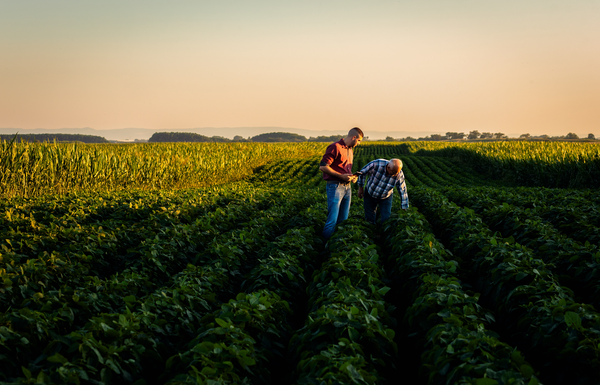
- Extent of land under sustainable agricultural easements versus conversion to development or other uses.
4. Table of SDGs, Targets and Indicators
| SDGs | Targets | Indicators |
|---|---|---|
| SDG 15: Life on Land |
|
|
| SDG 13: Climate Action |
|
|
| SDG 6: Clean Water and Sanitation |
|
|
| SDG 11: Sustainable Cities and Communities |
|
|
| SDG 12: Responsible Consumption and Production |
|
|
Source: theinvadingsea.com
What is Your Reaction?
 Like
0
Like
0
 Dislike
0
Dislike
0
 Love
0
Love
0
 Funny
0
Funny
0
 Angry
0
Angry
0
 Sad
0
Sad
0
 Wow
0
Wow
0