




































IUCN Advances Climate Adaptation Planning in Inhambane, Mozambique – International Union for Conservation of Nature
Climate Change Adaptation Planning Initiative in Mozambique
Overview of the Initiative
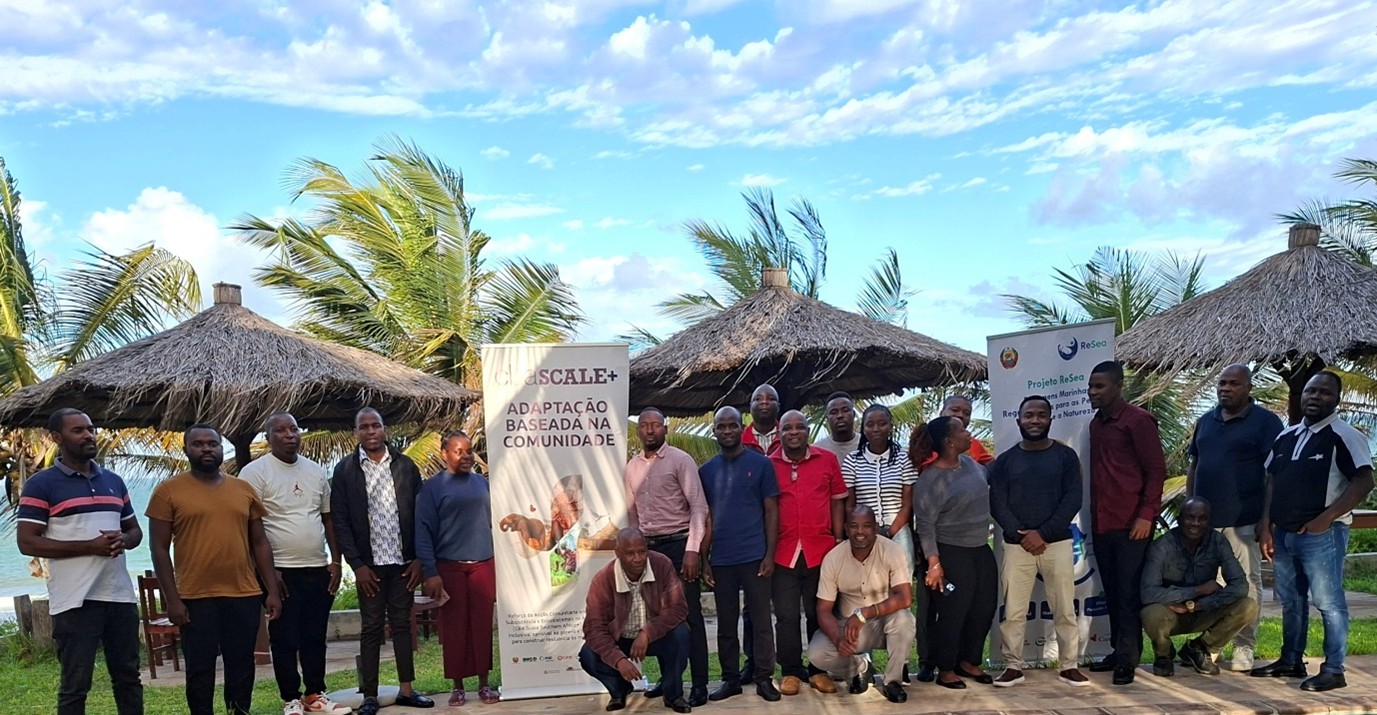
The recent initiative brought together over 25 participants, including representatives from central, provincial, and district government, civil society organizations, and local community leaders. This collaborative effort highlights the importance of multi-stakeholder engagement in addressing climate change challenges.
Objectives and Focus Areas
The updated climate adaptation plan will serve as a strategic roadmap for the district over the next decade, emphasizing the following key areas aligned with the Sustainable Development Goals (SDGs):
- Reducing Vulnerability to Climate Impacts – Enhancing resilience to climate-related hazards supports SDG 13 (Climate Action) by promoting adaptive capacity and disaster risk reduction.
- Improving Community Livelihoods – Strengthening economic and social well-being aligns with SDG 1 (No Poverty) and SDG 8 (Decent Work and Economic Growth), ensuring sustainable development.
- Integrating Gender-Inclusive Approaches – Promoting gender equality in climate adaptation efforts addresses SDG 5 (Gender Equality), ensuring that women and marginalized groups are actively involved.
- Promoting Nature-Based Solutions – Utilizing ecosystem-based strategies supports SDG 15 (Life on Land) and SDG 6 (Clean Water and Sanitation), fostering environmental sustainability.
Governance and Community Engagement
By strengthening local governance structures and enhancing community engagement, the initiative ensures that climate adaptation strategies are:
- Inclusive, reflecting the needs and voices of diverse stakeholders
- Sustainable, promoting long-term environmental and social benefits
- Aligned with national priorities and international commitments, including the SDGs
This approach contributes to building resilient communities capable of facing climate challenges while advancing Mozambique’s sustainable development agenda.
1. Sustainable Development Goals (SDGs) Addressed
- SDG 13: Climate Action – The article focuses on addressing climate change impacts and developing climate adaptation strategies.
- SDG 1: No Poverty – Improving community livelihoods is highlighted, which relates to poverty reduction.
- SDG 5: Gender Equality – The integration of gender-inclusive approaches is explicitly mentioned.
- SDG 15: Life on Land – Promoting nature-based solutions connects to the sustainable management and restoration of terrestrial ecosystems.
- SDG 16: Peace, Justice and Strong Institutions – Strengthening local governance and community engagement aligns with building effective, accountable institutions.
2. Specific Targets Under the Identified SDGs
- SDG 13: Climate Action
- Target 13.1: Strengthen resilience and adaptive capacity to climate-related hazards and natural disasters in all countries.
- Target 13.2: Integrate climate change measures into national policies, strategies, and planning.
- SDG 1: No Poverty
- Target 1.4: Ensure that all men and women have equal rights to economic resources and access to basic services.
- SDG 5: Gender Equality
- Target 5.5: Ensure women’s full and effective participation and equal opportunities for leadership at all levels of decision-making.
- SDG 15: Life on Land
- Target 15.1: Ensure the conservation, restoration, and sustainable use of terrestrial and inland freshwater ecosystems.
- SDG 16: Peace, Justice and Strong Institutions
- Target 16.6: Develop effective, accountable, and transparent institutions at all levels.
- Target 16.7: Ensure responsive, inclusive, participatory and representative decision-making at all levels.
3. Indicators Mentioned or Implied to Measure Progress
- For SDG 13 (Climate Action):
- Indicator 13.1.2: Number of countries with national and local disaster risk reduction strategies.
- Indicator 13.2.2: Number of countries that have communicated the establishment or operationalization of an integrated policy/strategy/plan which increases their ability to adapt to the adverse impacts of climate change.
- For SDG 1 (No Poverty):
- Indicator 1.4.1: Proportion of population living in households with access to basic services.
- For SDG 5 (Gender Equality):
- Indicator 5.5.2: Proportion of women in managerial positions.
- For SDG 15 (Life on Land):
- Indicator 15.1.1: Forest area as a proportion of total land area.
- Indicator 15.1.2: Proportion of important sites for terrestrial and freshwater biodiversity that are covered by protected areas.
- For SDG 16 (Peace, Justice and Strong Institutions):
- Indicator 16.6.2: Proportion of the population satisfied with their last experience of public services.
- Indicator 16.7.2: Proportion of population who believe decision-making is inclusive and responsive.
4. Table of SDGs, Targets, and Indicators
| SDGs | Targets | Indicators |
|---|---|---|
| SDG 13: Climate Action |
|
|
| SDG 1: No Poverty |
|
|
| SDG 5: Gender Equality |
|
|
| SDG 15: Life on Land |
|
|
| SDG 16: Peace, Justice and Strong Institutions |
|
|
Source: iucn.org
What is Your Reaction?
 Like
0
Like
0
 Dislike
0
Dislike
0
 Love
0
Love
0
 Funny
0
Funny
0
 Angry
0
Angry
0
 Sad
0
Sad
0
 Wow
0
Wow
0