
























































Safe Drinking Water Is a Basic Human Right That Texas Prisons Fail to Respect – theappeal.org
Report on Water Quality Issues in Texas Prisons and Implications for Sustainable Development Goals
Introduction
A recent report by the Texas Civil Rights Project highlights significant and persistent failures by the Texas Department of Criminal Justice (TDCJ) in providing safe drinking water to incarcerated individuals. The conditions described include water that is over-chlorinated, slimy, and foul-smelling, used for drinking, bathing, cooking, and cooling. This report underscores critical concerns related to the Sustainable Development Goals (SDGs), particularly SDG 6 (Clean Water and Sanitation), SDG 3 (Good Health and Well-being), and SDG 10 (Reduced Inequalities).
Water Quality Conditions in TDCJ Facilities
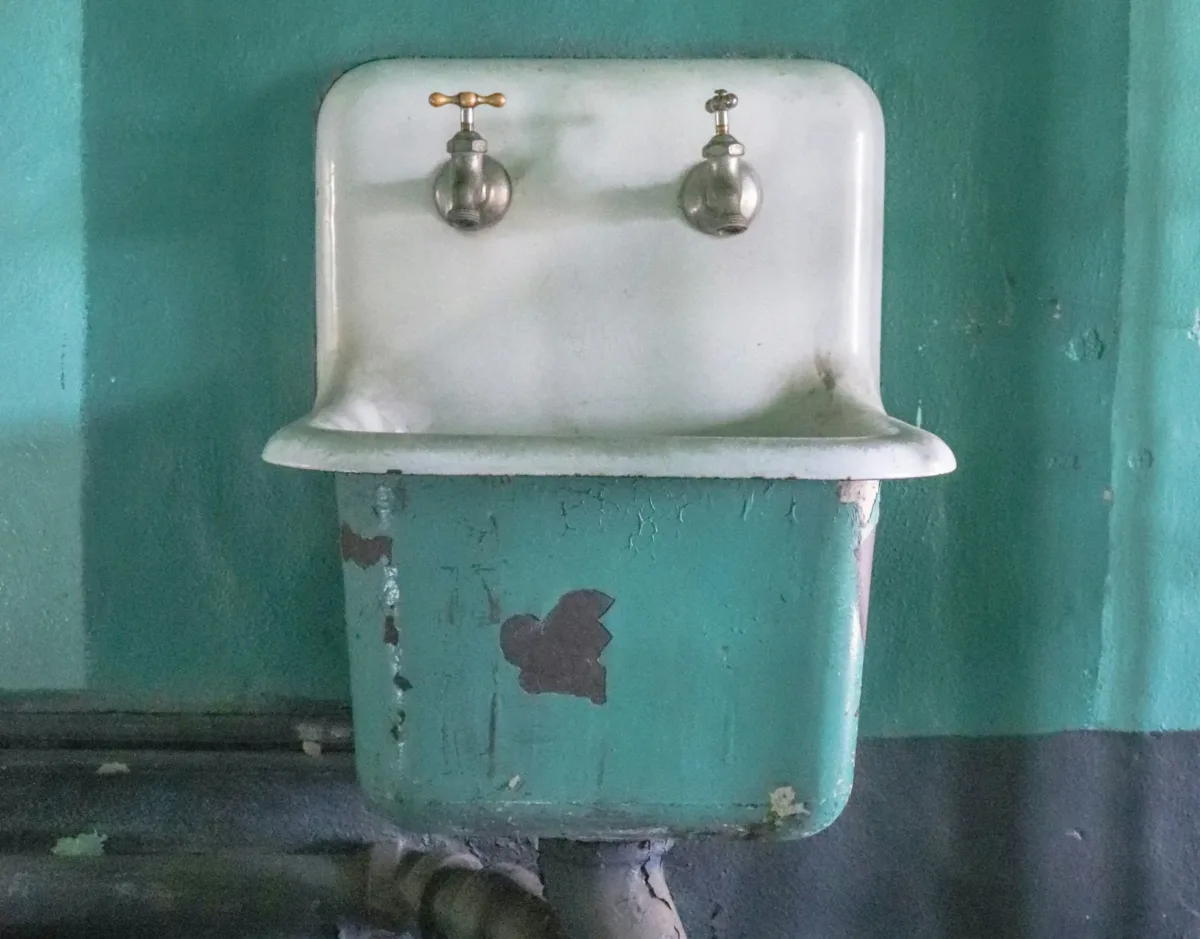
- Water Source and Usage: In most prison cells, the only water source is a small sink located above the toilet, used for multiple purposes.
- Health Impacts: Incarcerated individuals have reported stomach infections, skin conditions, and cancer diagnoses attributed to long-term exposure to contaminated water.
- Inadequate Alternatives: Bottled water is recommended by some medical staff but remains inaccessible to many due to high costs in prison commissaries.
Case Study: Coffield and Michael Units
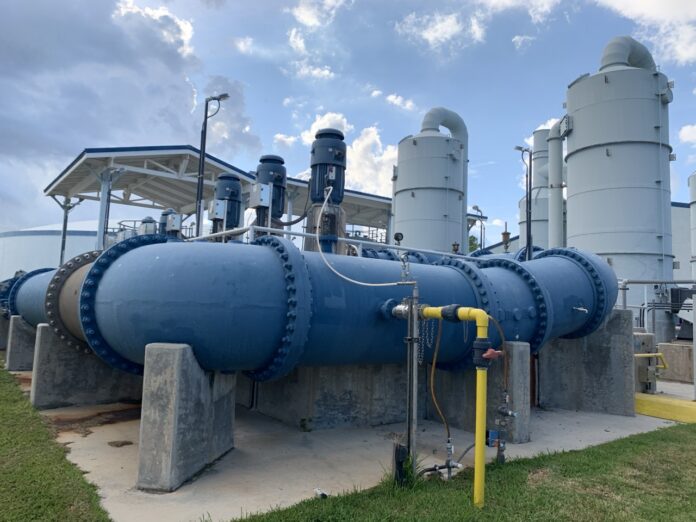
- These two units, housing nearly 8,000 people, share a single water treatment system.
- Inmates commonly advise against drinking tap water due to its poor quality.
- One anonymous inmate reported excessive chlorination and repeated gastrointestinal illnesses linked to H. pylori infections, with inadequate medical testing and treatment.
- Disparities exist where guards receive bottled and filtered water, while inmates do not.
Regulatory Oversight and Compliance Issues
The Texas Commission on Environmental Quality (TCEQ) is responsible for enforcing environmental laws, including the Safe Drinking Water Act, and regulating public water systems in Texas. However, challenges include:
- Reliance on self-reporting by water system operators and discretion allowed to TDCJ in selecting sampling sites.
- Limited transparency and inconsistent information provided by TDCJ regarding water quality violations and resolutions.
- Since 2020, the Coffield and Michael Units’ water system has recorded 22 drinking water violations, including microbial contamination and cancer-linked disinfection byproducts.
- Two health-based violations were noted, contrasting with a 95% compliance rate among Texas water systems in 2024.
Implications for Sustainable Development Goals
- SDG 6 – Clean Water and Sanitation:
- Access to safe and affordable drinking water is compromised for incarcerated populations.
- Failures in water treatment and monitoring undermine the goal of ensuring availability and sustainable management of water and sanitation for all.
- SDG 3 – Good Health and Well-being:
- Contaminated water contributes to health issues such as gastrointestinal diseases and cancer, affecting physical and mental health.
- Inadequate medical response exacerbates health risks among vulnerable populations.
- SDG 10 – Reduced Inequalities:
- Disparities in access to safe water between prison staff and incarcerated individuals highlight systemic inequalities.
- Economic barriers prevent inmates from obtaining safer alternatives like bottled water.
- SDG 16 – Peace, Justice, and Strong Institutions:
- Lack of transparency and accountability in TDCJ’s water management reflects governance challenges.
- Ensuring human rights, including the right to safe water, is essential for justice and institutional integrity.
Conclusions and Recommendations
- Access to clean water is a fundamental human right that must be upheld within all state institutions, including prisons.
- TDCJ must improve water treatment processes and ensure compliance with federal and state water quality standards without delay.
- Enhanced transparency and independent oversight are critical to monitor water quality and enforce corrective actions.
- Addressing water quality issues aligns with multiple SDGs and is essential to protect the health and dignity of incarcerated individuals.
- Investment in infrastructure and equitable access to safe water must be prioritized to meet the commitments under the SDGs.
1. Sustainable Development Goals (SDGs) Addressed or Connected
- SDG 6: Clean Water and Sanitation
- The article focuses on the lack of safe drinking water in Texas prisons, directly relating to ensuring availability and sustainable management of water and sanitation for all.
- SDG 3: Good Health and Well-being
- The health impacts described, such as stomach infections, skin conditions, and cancer linked to unsafe water, connect to ensuring healthy lives and promoting well-being.
- SDG 16: Peace, Justice, and Strong Institutions
- The article highlights issues of transparency, accountability, and human rights within the prison system, relevant to promoting just, peaceful, and inclusive societies.
2. Specific Targets Under Those SDGs
- SDG 6 Targets
- 6.1: Achieve universal and equitable access to safe and affordable drinking water for all.
- 6.3: Improve water quality by reducing pollution and minimizing release of hazardous chemicals.
- 6.b: Support and strengthen the participation of local communities in improving water and sanitation management.
- SDG 3 Targets
- 3.3: End epidemics of waterborne diseases and other communicable diseases.
- 3.9: Reduce illnesses and deaths from hazardous chemicals and pollution.
- SDG 16 Targets
- 16.6: Develop effective, accountable and transparent institutions at all levels.
- 16.7: Ensure responsive, inclusive, participatory and representative decision-making.
- 16.10: Ensure public access to information and protect fundamental freedoms.
3. Indicators Mentioned or Implied to Measure Progress
- For SDG 6
- Indicator 6.1.1: Proportion of population using safely managed drinking water services — implied by discussion of water quality and access in prisons.
- Indicator 6.3.2: Proportion of bodies of water with good ambient water quality — implied by violations related to microbial contamination and disinfection byproducts.
- Monitoring and reporting compliance with Safe Drinking Water Act standards — implied through references to TCEQ inspections and violation records.
- For SDG 3
- Indicator 3.3.5: Number of people requiring interventions against waterborne diseases — implied by reports of H. pylori infections and gastrointestinal illnesses.
- Indicator 3.9.1: Mortality rate attributed to unsafe water, sanitation and hygiene — implied through health impacts described.
- For SDG 16
- Indicator 16.6.2: Proportion of the population satisfied with their last experience of public services — implied by grievances and lack of resolution reported.
- Indicator 16.10.2: Number of verified cases of killing, kidnapping, enforced disappearance, arbitrary detention and torture of journalists, associated with reporting on water issues — implied by lack of transparency and information obfuscation.
- Records of enforcement actions and compliance monitoring by TCEQ — implied as measures of institutional accountability.
4. Table: SDGs, Targets and Indicators
| SDGs | Targets | Indicators |
|---|---|---|
| SDG 6: Clean Water and Sanitation |
|
|
| SDG 3: Good Health and Well-being |
|
|
| SDG 16: Peace, Justice, and Strong Institutions |
|
|
Source: theappeal.org
What is Your Reaction?
 Like
0
Like
0
 Dislike
0
Dislike
0
 Love
0
Love
0
 Funny
0
Funny
0
 Angry
0
Angry
0
 Sad
0
Sad
0
 Wow
0
Wow
0