


























































Tackling India’s adult illiteracy with the Gospel – Mission Network News

Report on Adult Literacy Initiatives in India with Emphasis on Sustainable Development Goals (SDGs)
Introduction
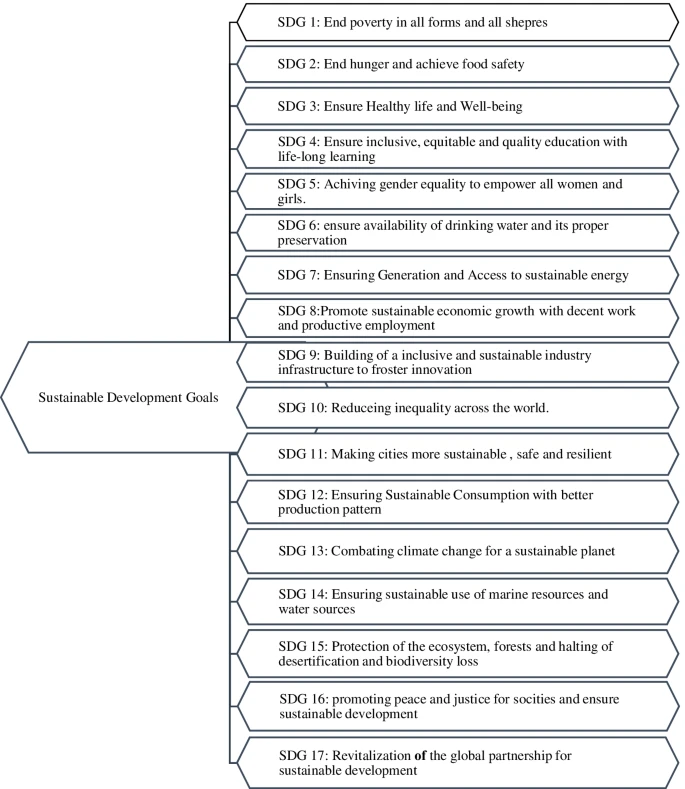
India faces a significant challenge with adult illiteracy, impacting approximately 287 million adults. Mission India is actively addressing this issue by providing education that fosters hope, independence, and dignity. This initiative aligns closely with the United Nations Sustainable Development Goals, particularly SDG 4 (Quality Education), SDG 5 (Gender Equality), and SDG 10 (Reduced Inequalities).
Challenges of Adult Illiteracy in India
- Prevalence and Impact
- Nearly one in four adults were illiterate according to the 2011 census, with improvements projected but many still lacking basic literacy skills.
- Illiteracy affects daily activities such as reading street signs, managing finances, and accessing healthcare.
- Parents face difficulties in understanding medical instructions, impacting family health and wellbeing.
- Social and Economic Disparities
- Women are disproportionately affected due to societal expectations and limited educational opportunities, highlighting the need for gender equality (SDG 5).
- Lower caste and economically disadvantaged groups experience higher rates of illiteracy, underscoring the importance of reducing inequalities (SDG 10).
- Mission India promotes dignity and respect for all learners, fostering inclusive education environments.
Mission India’s Educational Approach
- Bible-Based Curriculum
- Teaching literacy at a fifth-grade level to equip learners with practical skills for employment.
- Incorporation of health, hygiene, and entrepreneurship training to support holistic development.
- Use of Scripture to enhance literacy and spiritual growth, with approximately 40% of graduates embracing Christianity.
- Alignment with SDGs
- Supports SDG 4 by ensuring inclusive and equitable quality education.
- Promotes SDG 3 (Good Health and Well-being) through health education.
- Encourages economic empowerment aligned with SDG 8 (Decent Work and Economic Growth).
Impact and Outcomes
- Improved literacy enables adults to navigate daily life confidently and independently.
- Empowerment of women and marginalized communities contributes to social equity.
- Spiritual and personal growth enhances overall quality of life.
Call to Action and Support
Mission India invites support for adult literacy classes, which cost $40 per participant. A matching challenge is currently active, doubling the impact of donations up to $300,000. Contributions directly advance SDG targets by expanding educational access and fostering sustainable community development.
- Prayer and moral support are requested to help students recognize the role of faith in their progress.
- Financial donations can be made via MissionIndia.org/read.
Conclusion
Mission India’s adult literacy program is a vital initiative contributing to multiple Sustainable Development Goals by addressing educational disparities, promoting gender equality, and empowering marginalized populations. Continued support and engagement are essential to sustain and expand this transformative work.
1. Sustainable Development Goals (SDGs) Addressed or Connected
- SDG 4: Quality Education – The article focuses on adult literacy and education, highlighting efforts to help illiterate adults in India gain reading and writing skills.
- SDG 5: Gender Equality – The article discusses the disparity in literacy rates between men and women, emphasizing the challenges women face in accessing education.
- SDG 1: No Poverty – Literacy enables adults to manage finances better, open bank accounts, and avoid being shortchanged, which contributes to poverty reduction.
- SDG 3: Good Health and Well-being – The article mentions health and hygiene training and challenges illiterate parents face in managing medication and healthcare for their children.
- SDG 8: Decent Work and Economic Growth – The literacy level targeted (fifth grade) is significant for finding work, and entrepreneurship classes are offered.
2. Specific Targets Under Those SDGs Identified
- SDG 4: Quality Education
- Target 4.6: Ensure that all youth and a substantial proportion of adults, both men and women, achieve literacy and numeracy.
- Target 4.4: Increase the number of youth and adults who have relevant skills, including technical and vocational skills, for employment.
- SDG 5: Gender Equality
- Target 5.5: Ensure women’s full and effective participation and equal opportunities for leadership at all levels of decision-making in education and other sectors.
- SDG 1: No Poverty
- Target 1.4: Ensure that all men and women have equal rights to economic resources, including access to financial services.
- SDG 3: Good Health and Well-being
- Target 3.8: Achieve universal health coverage, including access to quality essential health-care services and medicines.
- SDG 8: Decent Work and Economic Growth
- Target 8.6: Reduce the proportion of youth not in employment, education or training.
- Target 8.3: Promote development-oriented policies that support productive activities, decent job creation, entrepreneurship, and innovation.
3. Indicators Mentioned or Implied to Measure Progress
- Adult Literacy Rate – The article references the census data on adult literacy rates, which is a key indicator for Target 4.6.
- Gender Disparity in Literacy – The difference in literacy rates between men and women, as noted in the article, can be tracked to measure progress on Target 5.5.
- Enrollment and Completion Rates of Adult Literacy Classes – The number of adults attending and graduating from literacy classes, as mentioned with Mission India’s programs, can serve as indicators for Targets 4.4 and 4.6.
- Access to Financial Services – The ability of adults to open bank accounts and manage finances implies tracking access to financial services (Target 1.4).
- Health Literacy and Access to Health Services – The article’s mention of health and hygiene training and challenges in healthcare navigation suggests indicators related to health literacy and access (Target 3.8).
- Employment and Entrepreneurship Outcomes – The impact of literacy and entrepreneurship classes on employment status and income generation relates to Targets 8.3 and 8.6.
4. Table: SDGs, Targets and Indicators
| SDGs | Targets | Indicators |
|---|---|---|
| SDG 4: Quality Education |
|
|
| SDG 5: Gender Equality |
|
|
| SDG 1: No Poverty |
|
|
| SDG 3: Good Health and Well-being |
|
|
| SDG 8: Decent Work and Economic Growth |
|
|
Source: mnnonline.org
What is Your Reaction?
 Like
0
Like
0
 Dislike
0
Dislike
0
 Love
0
Love
0
 Funny
0
Funny
0
 Angry
0
Angry
0
 Sad
0
Sad
0
 Wow
0
Wow
0