




























































WMW | Biowaste: Anaerobic digestion powers Minnesota’s circular economy ambitions – Waste Management World
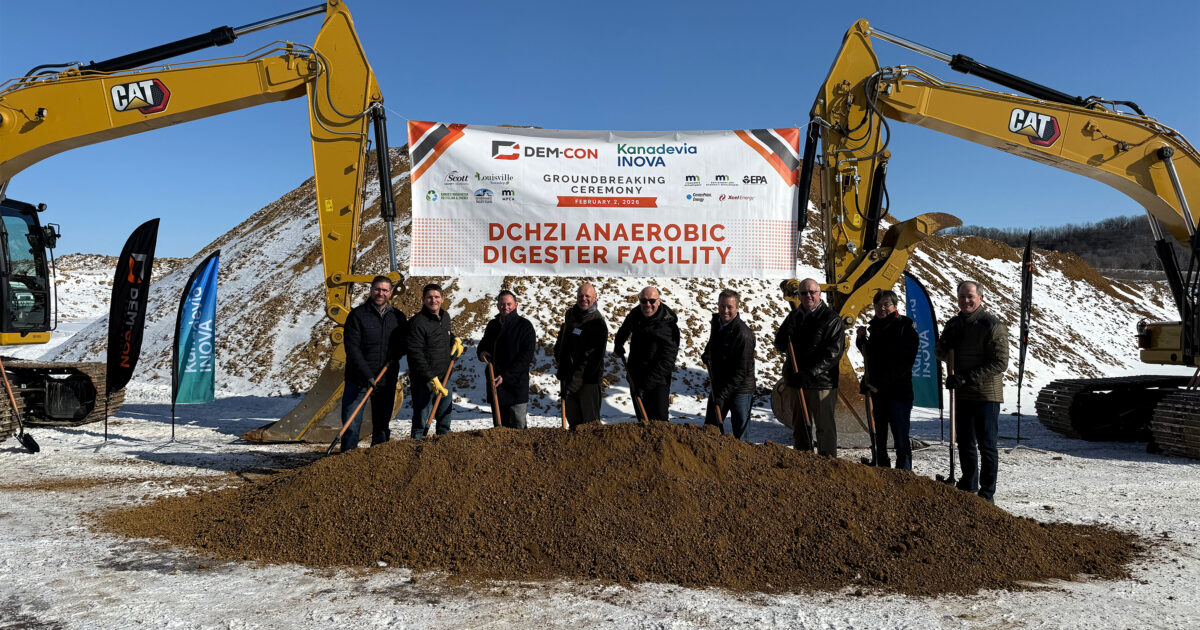
Louisville Township Renewable Gas Project: Advancing Sustainable Development Goals through Anaerobic Digestion

Project Overview
Kanadevia Inova, a global leader in green technology formerly known as Hitachi Zosen Inova, has initiated construction of the Louisville Township Renewable Gas Project in Minnesota. This large-scale anaerobic digestion facility, developed in partnership with Dem-Con Companies LLC under the joint venture DCHZI BioEnergy, represents a significant advancement in organic waste-to-renewable gas technology in the region.
Key Project Details
- Operational Timeline: The facility is scheduled to begin processing organic materials in 2027.
- Capacity: It will process up to 75,000 tonnes of organic waste annually.
- Renewable Energy Output: The project will produce approximately 200,000 MMBtu of renewable natural gas (RNG) each year.
- By-product Generation: Approximately 8,000 tonnes of biochar will be generated annually, serving as a carbon-sequestering material with applications in agriculture, industry, and environmental remediation.
Contribution to Sustainable Development Goals (SDGs)
- SDG 7 – Affordable and Clean Energy: By converting organic waste into renewable natural gas, the project promotes clean and sustainable energy sources.
- SDG 11 – Sustainable Cities and Communities: The facility supports sustainable waste management practices by processing municipal organic waste from surrounding counties.
- SDG 12 – Responsible Consumption and Production: The project exemplifies circular economy principles by transforming waste into valuable energy and materials.
- SDG 13 – Climate Action: The production of biochar contributes to carbon sequestration, reducing the overall carbon footprint of the facility and mitigating climate change impacts.
- SDG 15 – Life on Land: Biochar applications in agriculture enhance soil health and promote sustainable land use.
Expert Commentary
Heath Jones, Regional President North America at Kanadevia Inova, stated: “This cutting-edge facility will convert the organic fraction of municipal waste from surrounding counties into renewable energy through anaerobic digestion, biogas upgrading, and advanced gasification. In addition to biomethane, it will be the first facility of its kind to produce biochar, a carbon-sequestering byproduct that reduces the plant’s carbon intensity and creates valuable applications for agriculture and industry.”
Conclusion
The Louisville Township Renewable Gas Project exemplifies innovation in sustainable waste management and renewable energy production. By aligning with multiple Sustainable Development Goals, the project not only advances environmental stewardship but also fosters economic and social benefits within the community and beyond.
1. Sustainable Development Goals (SDGs) Addressed or Connected
- SDG 7: Affordable and Clean Energy
- The article discusses the production of renewable natural gas (RNG), a clean energy source, contributing to affordable and sustainable energy.
- SDG 11: Sustainable Cities and Communities
- The project converts municipal organic waste into renewable energy, promoting sustainable waste management in local communities.
- SDG 12: Responsible Consumption and Production
- The anaerobic digestion facility processes organic waste, supporting sustainable consumption and waste reduction.
- SDG 13: Climate Action
- The facility produces biochar, a carbon-sequestering by-product, which helps reduce carbon intensity and mitigate climate change.
- SDG 15: Life on Land
- Biochar applications in agriculture and environmental remediation support sustainable land use and ecosystem health.
2. Specific Targets Under Those SDGs Identified
- SDG 7: Affordable and Clean Energy
- Target 7.2: Increase substantially the share of renewable energy in the global energy mix.
- SDG 11: Sustainable Cities and Communities
- Target 11.6: Reduce the adverse per capita environmental impact of cities, including by paying special attention to waste management.
- SDG 12: Responsible Consumption and Production
- Target 12.5: Substantially reduce waste generation through prevention, reduction, recycling, and reuse.
- SDG 13: Climate Action
- Target 13.2: Integrate climate change measures into national policies, strategies, and planning.
- SDG 15: Life on Land
- Target 15.3: Combat desertification, restore degraded land and soil, including land affected by desertification, drought, and floods.
3. Indicators Mentioned or Implied to Measure Progress
- SDG 7 Indicators
- Indicator 7.2.1: Renewable energy share in the total final energy consumption — implied by the production of approximately 200,000 MMBtu of renewable natural gas annually.
- SDG 11 Indicators
- Indicator 11.6.1: Proportion of municipal solid waste collected and managed in controlled facilities — implied by the facility handling 75,000 tonnes of organic materials per year.
- SDG 12 Indicators
- Indicator 12.5.1: National recycling rate, tons of material recycled — implied through the conversion of organic waste into renewable energy and biochar.
- SDG 13 Indicators
- Indicator 13.2.2: Total greenhouse gas emissions per year — implied reduction through carbon sequestration by biochar and renewable energy production reducing fossil fuel use.
- SDG 15 Indicators
- Indicator 15.3.1: Proportion of land that is degraded over total land area — implied improvement through biochar applications in agriculture and environmental remediation.
4. Table of SDGs, Targets, and Indicators
| SDGs | Targets | Indicators |
|---|---|---|
| SDG 7: Affordable and Clean Energy | 7.2: Increase substantially the share of renewable energy in the global energy mix. | 7.2.1: Renewable energy share in the total final energy consumption (implied by 200,000 MMBtu RNG production annually) |
| SDG 11: Sustainable Cities and Communities | 11.6: Reduce the adverse per capita environmental impact of cities, including waste management. | 11.6.1: Proportion of municipal solid waste collected and managed in controlled facilities (implied by 75,000 tonnes organic waste processing) |
| SDG 12: Responsible Consumption and Production | 12.5: Substantially reduce waste generation through prevention, reduction, recycling, and reuse. | 12.5.1: National recycling rate, tons of material recycled (implied by organic waste conversion to RNG and biochar) |
| SDG 13: Climate Action | 13.2: Integrate climate change measures into national policies, strategies, and planning. | 13.2.2: Total greenhouse gas emissions per year (implied reduction via biochar carbon sequestration and renewable energy) |
| SDG 15: Life on Land | 15.3: Combat desertification, restore degraded land and soil. | 15.3.1: Proportion of land that is degraded over total land area (implied improvement through biochar applications) |
Source: waste-management-world.com
What is Your Reaction?
 Like
0
Like
0
 Dislike
0
Dislike
0
 Love
0
Love
0
 Funny
0
Funny
0
 Angry
0
Angry
0
 Sad
0
Sad
0
 Wow
0
Wow
0