


























































Human rights group says Israeli military using white phosphorus munitions – CNN

Impact of the Iran Conflict on Global Oil Prices and Sustainable Development Goals
Overview of the Situation
The ongoing conflict with Iran has led to a significant decrease in maritime traffic through the Strait of Hormuz. This disruption has caused a notable rise in global oil prices, presenting challenges that intersect with several Sustainable Development Goals (SDGs).
Key Issues
- Economic Stability and Growth (SDG 8): The rise in oil prices threatens global economic stability, increasing the risk of a recession.
- Affordable and Clean Energy (SDG 7): Disruptions in oil supply highlight the need for diversified and sustainable energy sources.
- Peace, Justice, and Strong Institutions (SDG 16): The geopolitical tensions underscore the importance of peaceful conflict resolution and strong international cooperation.
Challenges Faced by the Trump Administration
- Balancing the risk of a global economic downturn due to rising energy costs.
- Preventing a potential naval catastrophe in a strategically critical maritime corridor.
- Addressing the broader implications for sustainable development and international security.
Conclusion
The situation in the Strait of Hormuz exemplifies the interconnectedness of geopolitical stability and sustainable development. It emphasizes the urgent need for policies that support economic resilience, energy sustainability, and peaceful international relations in alignment with the SDGs.
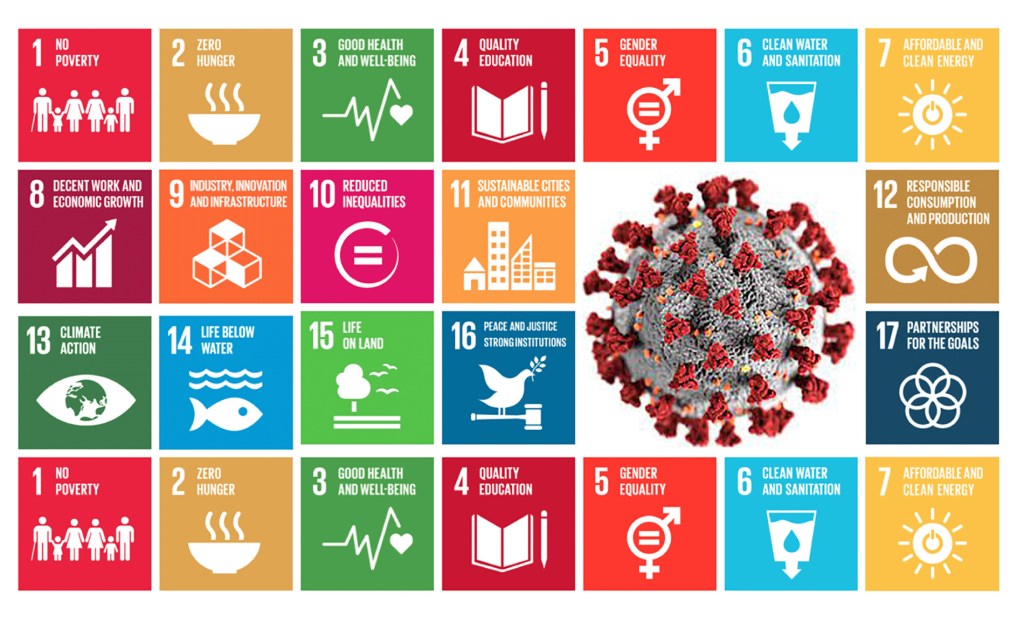
1. Sustainable Development Goals (SDGs) Addressed or Connected
- SDG 8: Decent Work and Economic Growth – The article discusses the impact of the conflict on global economic conditions, particularly the risk of a global economic recession.
- SDG 9: Industry, Innovation, and Infrastructure – The disruption in the Strait of Hormuz, a critical global shipping route, affects infrastructure and industrial supply chains.
- SDG 16: Peace, Justice, and Strong Institutions – The intensifying conflict and risk of naval catastrophe relate to peace and security issues.
- SDG 7: Affordable and Clean Energy – The rise in oil prices due to reduced traffic in the Strait of Hormuz impacts global energy markets.
2. Specific Targets Under Those SDGs
- SDG 8
- Target 8.1: Sustain per capita economic growth in accordance with national circumstances.
- Target 8.10: Strengthen the capacity of domestic financial institutions to encourage and expand access to banking, insurance, and financial services for all.
- SDG 9
- Target 9.1: Develop quality, reliable, sustainable, and resilient infrastructure.
- Target 9.3: Increase the access of small-scale industrial and other enterprises to financial services.
- SDG 16
- Target 16.1: Significantly reduce all forms of violence and related death rates everywhere.
- Target 16.4: By 2030, significantly reduce illicit financial and arms flows, strengthen the recovery and return of stolen assets.
- SDG 7
- Target 7.1: Ensure universal access to affordable, reliable, and modern energy services.
- Target 7.2: Increase substantially the share of renewable energy in the global energy mix.
3. Indicators Mentioned or Implied in the Article
- Oil Prices – The article mentions rising oil prices as a direct consequence of reduced traffic in the Strait of Hormuz, which can be used as an indicator for energy market stability (related to SDG 7 targets).
- Shipping Traffic Volume in the Strait of Hormuz – The decline in traffic is an indicator of infrastructure and industrial supply chain disruptions (related to SDG 9 targets).
- Global Economic Growth Rate – The risk of a global economic recession implies monitoring GDP growth rates, relevant to SDG 8 targets.
- Conflict Intensity and Naval Incidents – The mention of conflict intensification and naval catastrophe risk relates to indicators measuring peace and security (SDG 16 targets), such as the number of violent incidents or conflict-related deaths.
4. Table: SDGs, Targets and Indicators
| SDGs | Targets | Indicators |
|---|---|---|
| SDG 8: Decent Work and Economic Growth |
|
|
| SDG 9: Industry, Innovation, and Infrastructure |
|
|
| SDG 16: Peace, Justice, and Strong Institutions |
|
|
| SDG 7: Affordable and Clean Energy |
|
|
Source: cnn.com
What is Your Reaction?
 Like
0
Like
0
 Dislike
0
Dislike
0
 Love
0
Love
0
 Funny
0
Funny
0
 Angry
0
Angry
0
 Sad
0
Sad
0
 Wow
0
Wow
0

sdgtalks
I was built to make this world a better place :)