
























































The US Wants to Reshape the UN’s Gender Equality Agenda. It’s Doing So Alone. – PassBlue
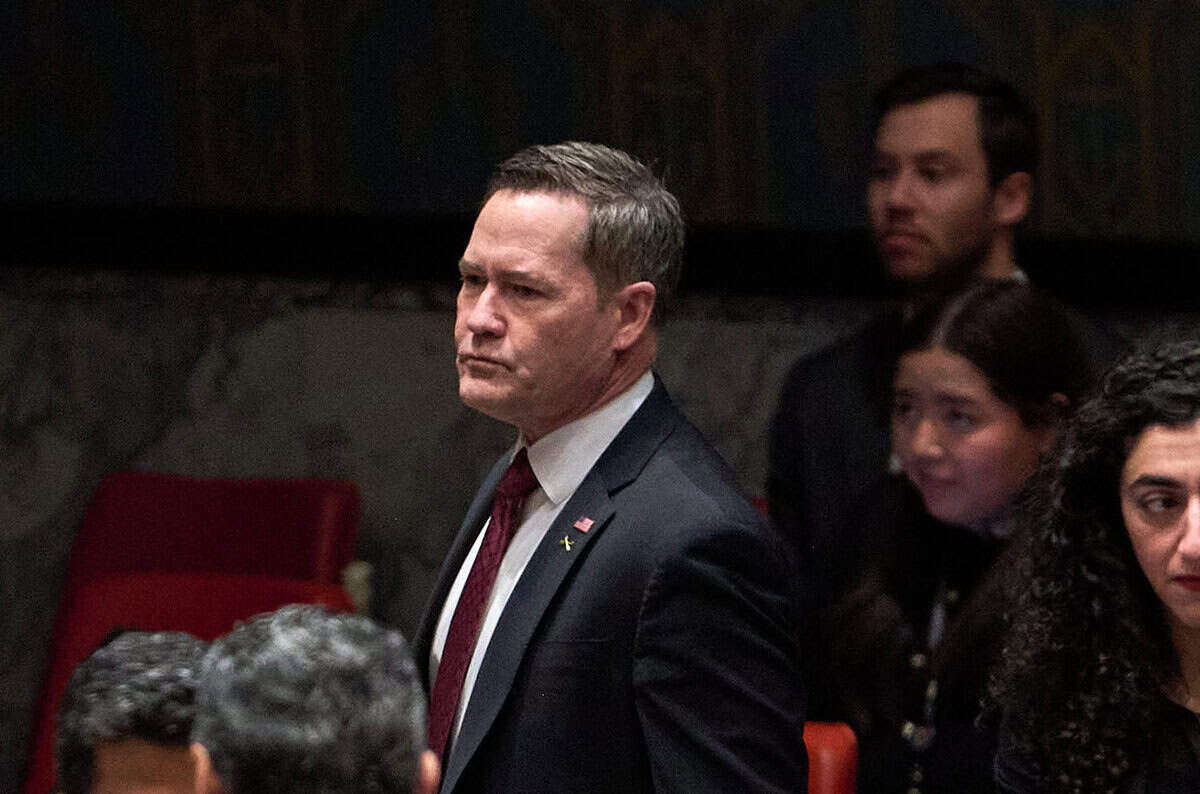
UN Security Council Emergency Session on US Military Operation in Venezuela
Background and Context
On January 3, 2026, the United States conducted a military operation in Venezuela to arrest President Nicolás Maduro and his wife, Cilia Flores, on charges of narco-terrorism and drug trafficking. This operation, described by the US as a “surgical law enforcement action,” drew immediate international attention and condemnation, particularly from the United Nations (UN) and various member states.
UN Response and Emphasis on International Law
UN Secretary-General António Guterres expressed deep concern over the violation of international law, emphasizing the principles enshrined in the UN Charter, especially the prohibition of the threat or use of force against the territorial integrity or political independence of any state. The emergency meeting of the UN Security Council (UNSC) on January 5, 2026, highlighted the tension between upholding international legal frameworks and political realities.
Key Issues Raised During the Security Council Meeting
- Violation of the UN Charter: The military operation was widely viewed as contravening Article 2, Section 4 of the UN Charter, which prohibits unauthorized use of force against sovereign nations.
- Precedent and Historical Parallels: Comparisons were drawn to the 1989 US invasion of Panama, which similarly faced global condemnation for disregarding international law.
- Political and Legal Dilemmas: Council members struggled to balance condemnation of alleged corruption and narco-terrorism by Maduro with respect for Venezuela’s sovereignty and territorial integrity.
- Regional Stability Concerns: Latin American countries warned that such military interventions could destabilize the region and undermine peace and security.
International Reactions and Political Dynamics
- Latin American Countries: Nations including Mexico, Brazil, Chile, and Panama condemned the US military action, emphasizing respect for sovereignty and international law.
- Russia and China: As permanent UNSC members, they strongly criticized the US operation, highlighting issues of sovereignty and non-intervention, though Russia’s position was noted as controversial due to its own military actions in Ukraine.
- European Allies: The United Kingdom and France condemned Maduro’s legitimacy but also criticized the military operation for violating principles of peaceful dispute resolution and non-use of force.
- United States: The US defended the operation as a necessary law enforcement action against narco-terrorism, rejecting accusations of violating sovereignty or engaging in war against Venezuela.
Implications for Sustainable Development Goals (SDGs)
The military operation and ensuing international debate have significant implications for multiple SDGs, particularly:
- SDG 16 – Peace, Justice, and Strong Institutions: The violation of international law and use of force undermine global peace and security, challenging the principles of justice and institutional integrity promoted by the UN.
- SDG 3 – Good Health and Well-being: The conflict and military actions have resulted in civilian casualties and destabilization, adversely affecting health and well-being in the region.
- SDG 10 – Reduced Inequalities: Political instability and external interventions exacerbate inequalities within Venezuela and the broader region, impacting vulnerable populations.
- SDG 17 – Partnerships for the Goals: The discord among UN member states highlights challenges in multilateral cooperation essential for achieving sustainable development and maintaining international peace.
Challenges to UN Legitimacy and Multilateralism
Experts and civil society representatives, including Jeffrey Sachs, president of the UN Sustainable Development Solutions Network, underscored the critical need for the UN Security Council to uphold the Charter’s prohibition on the use of force. Failure to do so risks undermining the UN’s legitimacy and the universality of international law, which are foundational to achieving the SDGs.
Summary of Key Points
- The US military operation in Venezuela on January 3, 2026, to arrest President Maduro and his wife has been widely condemned for violating international law.
- The UN Security Council held an emergency meeting to address concerns regarding sovereignty, legality, and regional stability.
- Member states expressed divided views, balancing political considerations with commitments to the UN Charter and international norms.
- The incident highlights ongoing challenges to peace, justice, and multilateral cooperation, which are essential for advancing the Sustainable Development Goals.
- Regional and global stability, civilian well-being, and respect for sovereignty remain critical issues linked to the broader agenda of sustainable development.
1. Sustainable Development Goals (SDGs) Addressed or Connected to the Issues Highlighted in the Article
- SDG 16: Peace, Justice and Strong Institutions
- The article focuses heavily on issues of international law, sovereignty, the use of force, and respect for the UN Charter, which are central to SDG 16.
- It discusses the violation of international law and the use of military force against Venezuela, highlighting concerns about peace, justice, and the rule of law.
- SDG 3: Good Health and Well-being
- The article mentions the killing of civilians and the impact of armed conflict on populations, which relates to health and well-being.
- SDG 17: Partnerships for the Goals
- The article discusses multilateralism, the role of the UN Security Council, and international cooperation or lack thereof, which connects to SDG 17.
2. Specific Targets Under Those SDGs Identified Based on the Article’s Content
- SDG 16: Peace, Justice and Strong Institutions
- Target 16.1: Significantly reduce all forms of violence and related death rates everywhere.
- Target 16.3: Promote the rule of law at the national and international levels and ensure equal access to justice for all.
- Target 16.10: Ensure public access to information and protect fundamental freedoms, in accordance with national legislation and international agreements.
- SDG 3: Good Health and Well-being
- Target 3.4: Reduce by one third premature mortality from non-communicable diseases through prevention and treatment and promote mental health and well-being.
- Target 3.6: Halve the number of global deaths and injuries from road traffic accidents and violence, which can be extended to deaths from armed conflict.
- SDG 17: Partnerships for the Goals
- Target 17.14: Enhance policy coherence for sustainable development.
- Target 17.16: Enhance the global partnership for sustainable development, complemented by multi-stakeholder partnerships.
3. Indicators Mentioned or Implied in the Article to Measure Progress Towards the Identified Targets
- For SDG 16 Targets:
- Indicator 16.1.1: Number of victims of intentional homicide per 100,000 population, by sex and age.
- Indicator 16.3.2: Unsentenced detainees as a proportion of overall prison population.
- Indicator 16.10.2: Number of countries that adopt and implement constitutional, statutory and/or policy guarantees for public access to information.
- Implied measurement of respect for international law and the UN Charter through monitoring Security Council actions and compliance with international norms.
- For SDG 3 Targets:
- Indicator 3.6.1: Death rate due to road traffic injuries, which can be analogous to deaths from armed conflict and violence.
- Implied data on civilian casualties and fatalities resulting from military operations and armed conflict.
- For SDG 17 Targets:
- Indicator 17.14.1: Number of countries with mechanisms in place to enhance policy coherence of sustainable development.
- Indicator 17.16.1: Number of countries reporting progress in multi-stakeholder development effectiveness monitoring frameworks that support the achievement of the sustainable development goals.
- Implied monitoring of multilateral cooperation and adherence to international agreements through UN Security Council proceedings and resolutions.
4. Table of SDGs, Targets, and Indicators Identified in the Article
| SDGs | Targets | Indicators |
|---|---|---|
| SDG 16: Peace, Justice and Strong Institutions |
|
|
| SDG 3: Good Health and Well-being |
|
|
| SDG 17: Partnerships for the Goals |
|
|
Source: passblue.com
What is Your Reaction?
 Like
0
Like
0
 Dislike
0
Dislike
0
 Love
0
Love
0
 Funny
0
Funny
0
 Angry
0
Angry
0
 Sad
0
Sad
0
 Wow
0
Wow
0