
























































Turkish authorities dig deeper into causes of juvenile crime | Daily Sabah – Daily Sabah
Parliamentary Commission Extends Mandate to Address Juvenile Crime
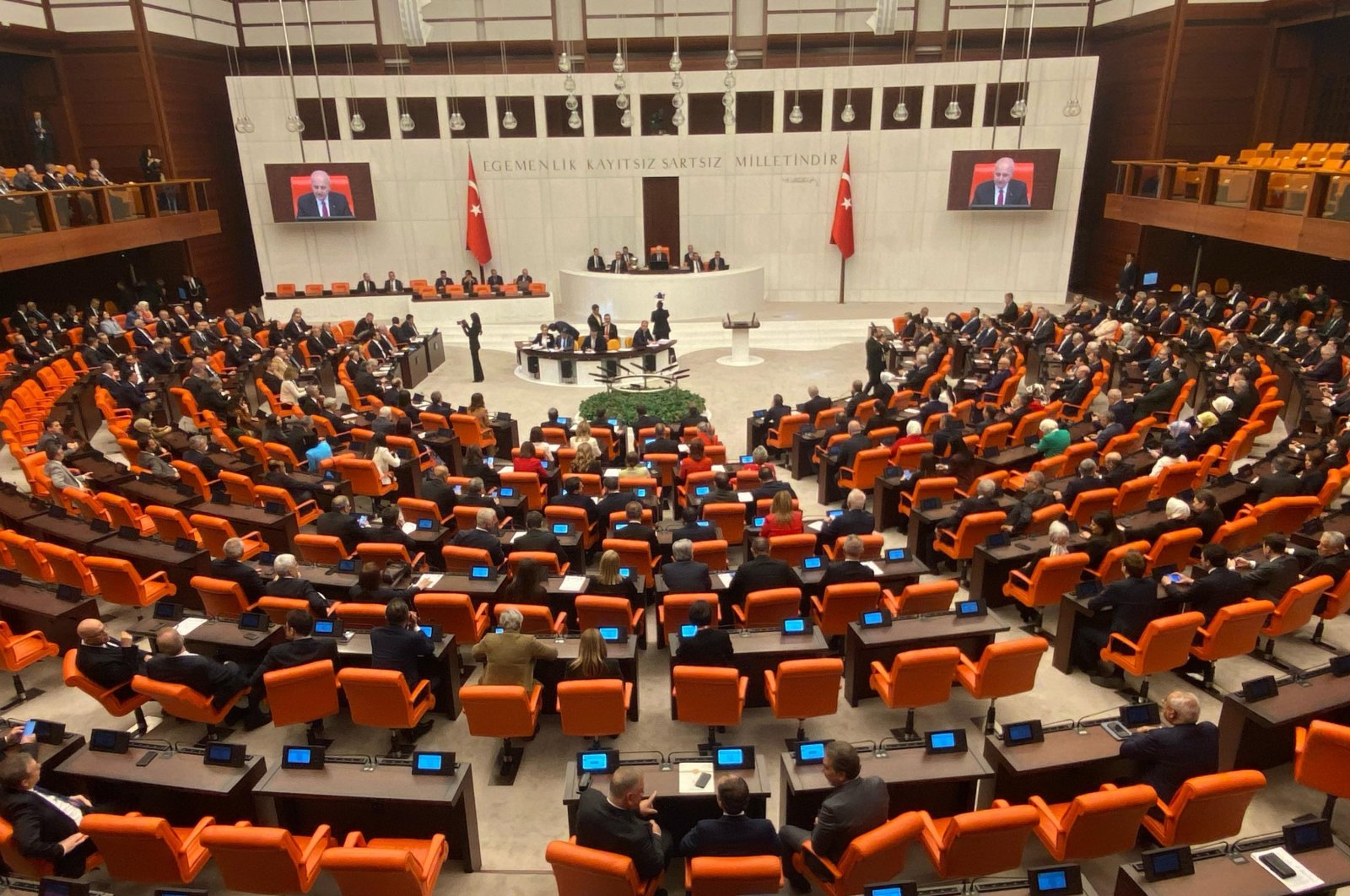
A parliamentary commission established to investigate the causes of children being drawn into crime has been granted an additional month to continue its work, as announced by Ankara on March 6, 2026. The extension was approved during a parliamentary session on March 4 and published in the Official Gazette, allowing the commission to proceed with its research from March 10 for another month.
Objectives of the Commission
The commission’s primary goal is to identify the root causes leading children into criminal activity and to propose preventive and protective policies. These policies aim to enhance children’s participation in social life, aligning with the Sustainable Development Goals (SDGs), particularly:
- SDG 3: Good Health and Well-being – by promoting safe environments for children.
- SDG 4: Quality Education – through educational interventions to prevent juvenile delinquency.
- SDG 16: Peace, Justice, and Strong Institutions – by strengthening justice systems to protect minors.
Government Measures Against Juvenile Crime
Legal Reforms and Protective Actions
Justice Minister Akın Gürlek announced that the government is preparing additional legal measures to protect children from criminal environments and to strengthen penalties for those exploiting minors in illegal activities. These initiatives are part of a broader strategy to prevent juvenile crime and support rehabilitation, in line with the SDGs.
- Prevention: Efforts to keep children away from environments that lead to crime.
- Rehabilitation: Programs to reintegrate children who have committed offenses back into society.
- Legal Penalties: Increased penalties for organized crime groups involving minors, with further enhancements planned in the upcoming 12th Judicial Reform Package.
These measures contribute directly to:
- SDG 16: Promoting peaceful and inclusive societies by reducing youth involvement in crime.
- SDG 10: Reducing inequalities by protecting vulnerable children from exploitation.
Collaborative Platform for Comprehensive Study
The Justice Ministry has launched a joint platform with the Ministry of Family and Social Services and the Ministry of National Education to analyze social, educational, and family-related factors influencing juvenile crime. This multidisciplinary approach supports:
- SDG 4: Ensuring inclusive and equitable quality education.
- SDG 5: Achieving gender equality by addressing violence against women and girls.
- SDG 16: Building effective, accountable institutions for child protection.
The platform aims to:
- Conduct comprehensive studies on family structures and education related to youth violence.
- Consider measures ensuring that children involved in crime serve appropriate sentences.
- Develop policies responding to public concerns about juvenile crime and perceptions of impunity.
Addressing Youth Violence and Public Safety
Recent Incidents and Public Response
A series of fatal stabbing incidents involving teenagers has intensified public debate in Türkiye regarding youth violence and the factors driving minors toward crime. Notable cases include:
- January 24, 2025: The stabbing of 14-year-old Mattia Ahmet Minguzzi in Istanbul, who later died after 16 days in intensive care.
- March 2025: The fatal stabbing of 17-year-old national athlete Berkay Melikoğlu in Tokat province.
- January 14, 2026: The stabbing death of 17-year-old Atlas Çağlayan in Istanbul, with a 15-year-old suspect.
These incidents highlight the urgent need for effective interventions aligned with:
- SDG 16: Reducing violence and ensuring justice for all.
- SDG 3: Promoting well-being and safety for children and youth.
Efforts to Combat Violence Against Women
Minister Gürlek also emphasized ongoing efforts to address violence against women, noting that recent legislation has strengthened legal tools to protect victims. Additional provisions related to victim protection are expected in the upcoming judicial reform package, supporting:
- SDG 5: Gender equality and empowerment of all women and girls.
- SDG 16: Promoting justice and reducing all forms of violence.
Conclusion
The extended mandate of the parliamentary commission and the government’s comprehensive legal and social initiatives demonstrate a strong commitment to addressing juvenile crime in Türkiye. By focusing on prevention, rehabilitation, and legal reform, these efforts contribute significantly to achieving multiple Sustainable Development Goals, particularly those related to health, education, equality, and justice. The upcoming 12th Judicial Reform Package is anticipated to further strengthen these measures, ensuring a safer and more inclusive society for all children and youth.
1. Sustainable Development Goals (SDGs) Addressed or Connected to the Issues Highlighted in the Article
- SDG 16: Peace, Justice and Strong Institutions
- The article focuses on juvenile crime, legal reforms, and efforts to strengthen justice systems to protect children and ensure rehabilitation.
- It discusses legislative measures to prevent exploitation of minors and increase penalties for organized crime involving children.
- SDG 3: Good Health and Well-being
- Efforts to rehabilitate children involved in crime and reintegrate them into society contribute to mental and social well-being.
- Addressing violence against women also relates to health and well-being.
- SDG 4: Quality Education
- The article mentions a joint platform involving the Ministry of National Education to study educational factors leading to juvenile crime.
- Creating social opportunities for youth implies enhancing access to quality education and social development.
- SDG 5: Gender Equality
- Efforts to combat violence against women and introduce stronger legal protections are aligned with gender equality goals.
2. Specific Targets Under Those SDGs Identified Based on the Article’s Content
- SDG 16 Targets
- 16.1: Significantly reduce all forms of violence and related death rates everywhere.
- 16.3: Promote the rule of law at the national and international levels and ensure equal access to justice for all.
- 16.2: End abuse, exploitation, trafficking and all forms of violence against and torture of children.
- SDG 3 Targets
- 3.4: Promote mental health and well-being.
- 3.5: Strengthen the prevention and treatment of substance abuse, which can be linked to juvenile crime.
- SDG 4 Targets
- 4.1: Ensure that all girls and boys complete free, equitable and quality primary and secondary education.
- 4.5: Eliminate gender disparities and ensure equal access to all levels of education and vocational training.
- SDG 5 Targets
- 5.2: Eliminate all forms of violence against all women and girls in public and private spheres.
3. Indicators Mentioned or Implied in the Article to Measure Progress Towards the Identified Targets
- Indicators Related to SDG 16
- 16.1.1: Number of victims of intentional homicide per 100,000 population, by age and sex (implied by statistics on juvenile crime and fatal stabbing incidents).
- 16.2.3: Proportion of young women and men aged 18-29 who experienced sexual violence by age 18 (implied through focus on protecting minors from exploitation and violence).
- 16.3.2: Unsentenced detainees as a proportion of overall prison population (implied by discussion on ensuring children serve full sentences and rehabilitation).
- Indicators Related to SDG 3
- 3.4.2: Suicide mortality rate (implied by focus on mental health and rehabilitation of children involved in crime).
- Indicators Related to SDG 4
- 4.1.2: Completion rate (primary education, lower secondary education, upper secondary education) (implied by joint platform studying educational factors).
- 4.5.1: Parity indices (implied by efforts to create social opportunities for youth).
- Indicators Related to SDG 5
- 5.2.1: Proportion of ever-partnered women and girls aged 15 years and older subjected to physical, sexual or psychological violence by a current or former intimate partner in the previous 12 months (implied by focus on combating violence against women).
4. Table of SDGs, Targets and Indicators
| SDGs | Targets | Indicators |
|---|---|---|
| SDG 16: Peace, Justice and Strong Institutions |
|
|
| SDG 3: Good Health and Well-being |
|
|
| SDG 4: Quality Education |
|
|
| SDG 5: Gender Equality |
|
|
Source: dailysabah.com
What is Your Reaction?
 Like
0
Like
0
 Dislike
0
Dislike
0
 Love
0
Love
0
 Funny
0
Funny
0
 Angry
0
Angry
0
 Sad
0
Sad
0
 Wow
0
Wow
0