


























































Rep. Pfluger Champions Need for Access to Safe Drinking Water in Rural Texas, Calls for Relief from One-Size-Fits-None Regulatory Mandates – Congressman August Pfluger (.gov)
Report on Water Access Challenges and Sustainable Development Goals
Introduction
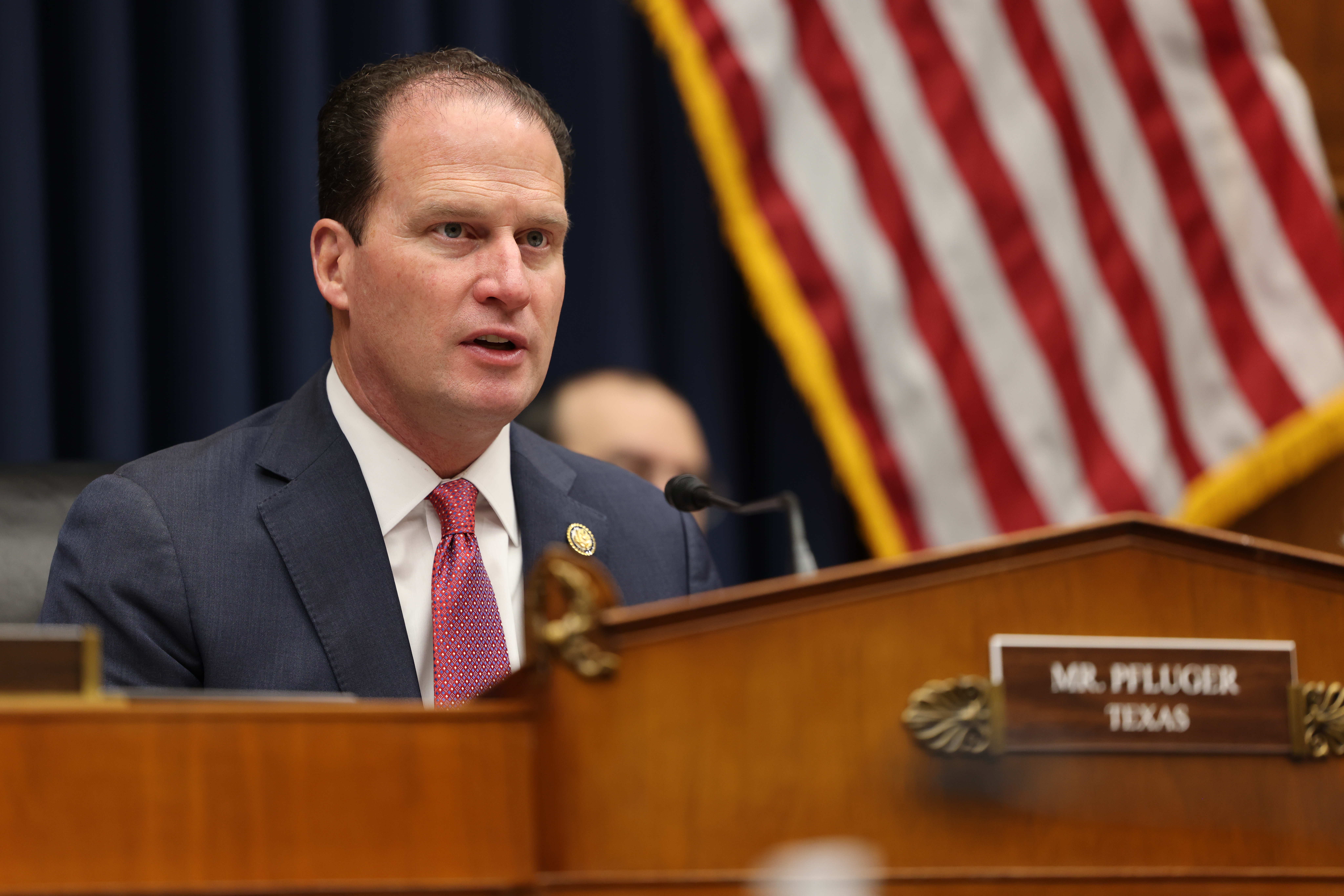
This report summarizes the key points from a recent exchange between Representative Pfluger and expert witnesses regarding water access challenges, particularly in rural and drought-prone areas. The discussion highlights the importance of sustainable water management in alignment with the United Nations Sustainable Development Goals (SDGs), especially SDG 6: Clean Water and Sanitation.
Challenges Faced by Small and Rural Water Systems
Regulatory and Financial Burdens
Representative Pfluger emphasized the critical nature of access to safe drinking water, describing it as a non-negotiable right for every community. However, he noted that many water systems in the United States are small and lack the resources to manage complex regulatory requirements. These include:
- Monitoring requirements
- Reporting layers
- Labor rules
- Procurement standards
Such mandates disproportionately impact rural communities, increasing costs for ratepayers and complicating water delivery.
Access to Federal Infrastructure Funds
Ms. Murley provided insights into the challenges small and rural water systems face in accessing federal infrastructure funds, particularly those from the Infrastructure Investment and Jobs Act (IIJA). Key points include:
- Variability in state capacity to manage funds, influenced by demographics and organizational factors.
- Technical and human resource limitations in states such as New Mexico, South Carolina, and the U.S. Virgin Islands.
- Recommendations made to federal agencies to improve fund distribution and support.
Ms. Murley advised directing communities seeking assistance to relevant federal agencies and technical assistance programs.
Water Scarcity and Long-Term Planning in Drought-Prone Areas
Case Study: West Texas
Representative Pfluger highlighted the water scarcity issues in West Texas, a drought-prone region heavily reliant on groundwater. Population growth exacerbates these challenges, making sustainable water management essential.
Strategies for Water Reliability
Mr. Hill shared a successful example from Alabama, illustrating effective long-term water reliability planning:
- Development of a water conservation plan in coordination with the Office of Water Resources.
- Infrastructure improvements including installation of a 10-inch HDPE pipeline and pump stations to access larger water sources.
- Expansion of water distribution networks with six miles of 24-inch ductile iron pipe.
- Proactive measures to mitigate drought impacts and ensure water availability for communities and industries.
Alignment with Sustainable Development Goals
The issues and solutions discussed align closely with the following SDGs:
- SDG 6: Clean Water and Sanitation – Ensuring availability and sustainable management of water and sanitation for all.
- SDG 9: Industry, Innovation, and Infrastructure – Building resilient infrastructure and fostering innovation in water systems.
- SDG 11: Sustainable Cities and Communities – Making cities and human settlements inclusive, safe, resilient, and sustainable through reliable water access.
- SDG 13: Climate Action – Addressing the impacts of drought and climate variability on water resources.
Recommendations
- Enhance support for small and rural water systems to comply with regulatory requirements without disproportionate financial burdens.
- Improve state and local capacity to manage and distribute federal infrastructure funds effectively.
- Promote long-term water conservation and infrastructure planning in drought-prone regions.
- Encourage collaboration between federal agencies, local governments, and communities to achieve SDG targets related to water and sustainability.
1. Sustainable Development Goals (SDGs) Addressed or Connected
- SDG 6: Clean Water and Sanitation
- Access to safe drinking water and water system management in rural and small communities.
- Challenges related to water scarcity, drought, and infrastructure funding.
- SDG 9: Industry, Innovation and Infrastructure
- Infrastructure development for water systems, including pipelines and pump stations.
- Technical and organizational capacity to manage federal infrastructure funds.
- SDG 11: Sustainable Cities and Communities
- Ensuring sustainable water supply for growing populations in rural and drought-prone areas.
2. Specific Targets Under Those SDGs
- SDG 6 Targets
- 6.1: Achieve universal and equitable access to safe and affordable drinking water for all.
- 6.a: Expand international cooperation and capacity-building support to developing countries in water- and sanitation-related activities and programmes.
- 6.b: Support and strengthen the participation of local communities in improving water and sanitation management.
- SDG 9 Targets
- 9.1: Develop quality, reliable, sustainable and resilient infrastructure, including regional and transborder infrastructure.
- 9.c: Significantly increase access to information and communications technology and strive to provide universal and affordable access to the Internet in least developed countries.
- SDG 11 Targets
- 11.1: Ensure access for all to adequate, safe and affordable housing and basic services.
- 11.5: Reduce the number of deaths and the number of people affected by disasters, including water-related disasters.
3. Indicators Mentioned or Implied to Measure Progress
- Indicators for SDG 6
- Proportion of population using safely managed drinking water services (implied by focus on access to safe drinking water).
- Number of small and rural water systems receiving federal infrastructure funds (implied by discussion on funding challenges).
- Compliance with water quality monitoring and reporting requirements (implied by references to regulatory mandates).
- Indicators for SDG 9
- Length and quality of water infrastructure installed (e.g., miles of pipelines, pump stations installed).
- Capacity of state agencies to manage infrastructure funds (implied by discussion on human, technical, and organizational capacity).
- Indicators for SDG 11
- Number of communities with long-term water reliability and conservation plans (implied by water conservation planning).
- Population served by sustainable water infrastructure in drought-prone areas.
4. Table of SDGs, Targets, and Indicators
| SDGs | Targets | Indicators |
|---|---|---|
| SDG 6: Clean Water and Sanitation |
|
|
| SDG 9: Industry, Innovation and Infrastructure |
|
|
| SDG 11: Sustainable Cities and Communities |
|
|
Source: pfluger.house.gov
What is Your Reaction?
 Like
0
Like
0
 Dislike
0
Dislike
0
 Love
0
Love
0
 Funny
0
Funny
0
 Angry
0
Angry
0
 Sad
0
Sad
0
 Wow
0
Wow
0