

























































Economic Exploitation in the Criminal Justice System – UC Berkeley Law

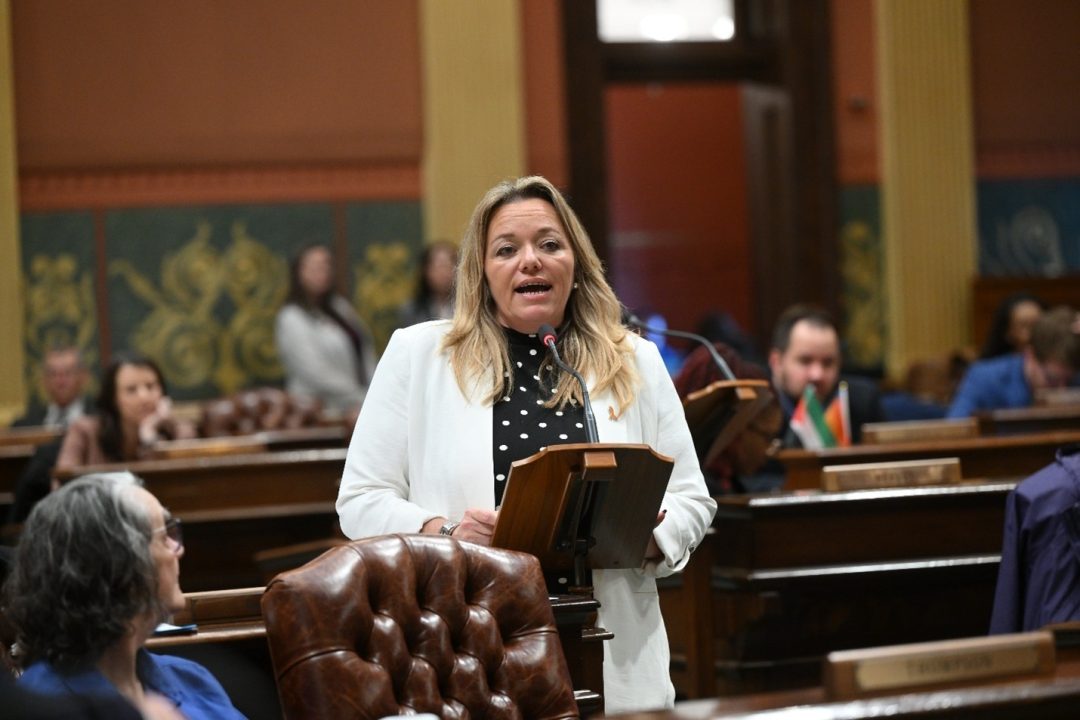
On Monday, February 23, 2026, from 12:50 pm to 2:00 pm, the Consumer Advocacy & Protection Society (CAPS) and Defenders at Berkeley (DAB) hosted a discussion at UC Berkeley Law, Room 100, focusing on the economic exploitation embedded within the criminal justice system. This event addressed how incarceration, administrative fees, and the bail system contribute to wealth stripping from families and exacerbate wealth inequality.
This event aligns closely with several United Nations Sustainable Development Goals, emphasizing social justice, economic equity, and inclusive institutions:
The event was open exclusively to UC Berkeley Law students, faculty, and staff, ensuring a focused academic environment. It was wheelchair accessible, with disability-related accommodations available upon advance request, reflecting a commitment to inclusivity consistent with SDG principles.
Report on Economic Exploitation in the Criminal Justice System
Event Overview
Event Details
Focus on Sustainable Development Goals (SDGs)
Key Discussion Points
Accessibility and Inclusion
Additional Information
1. Sustainable Development Goals (SDGs) Addressed or Connected
- SDG 1: No Poverty – The article discusses how incarceration, administrative fees, and the bail system strip wealth from families and widen wealth inequality, directly relating to poverty reduction.
- SDG 10: Reduced Inequalities – The focus on wealth inequality and economic exploitation in the criminal justice system connects to reducing inequalities within and among countries.
- SDG 16: Peace, Justice and Strong Institutions – The criminal justice system, incarceration, and bail system issues relate to promoting justice and building effective, accountable institutions.
2. Specific Targets Under Those SDGs Identified
- SDG 1 – Target 1.2: By 2030, reduce at least by half the proportion of men, women and children living in poverty in all its dimensions according to national definitions.
- SDG 10 – Target 10.2: Empower and promote the social, economic and political inclusion of all, irrespective of age, sex, disability, race, ethnicity, origin, religion or economic or other status.
- SDG 16 – Target 16.3: Promote the rule of law at the national and international levels and ensure equal access to justice for all.
- SDG 16 – Target 16.6: Develop effective, accountable and transparent institutions at all levels.
3. Indicators Mentioned or Implied to Measure Progress
- Indicator for SDG 1.2: Proportion of population living below the national poverty line, which can be linked to wealth stripped from families due to incarceration and fees.
- Indicator for SDG 10.2: Proportion of people living below 50% of median income, reflecting wealth inequality exacerbated by the bail system and administrative fees.
- Indicator for SDG 16.3: Proportion of victims of violence who reported their victimization to competent authorities, which relates to access to justice and fairness in the criminal justice system.
- Indicator for SDG 16.6: Primary government expenditures as a proportion of original approved budget, reflecting transparency and accountability in institutions managing the criminal justice system.
4. Table of SDGs, Targets, and Indicators
| SDGs | Targets | Indicators |
|---|---|---|
| SDG 1: No Poverty | Target 1.2: Reduce by half the proportion of people living in poverty in all its dimensions. | Proportion of population living below the national poverty line. |
| SDG 10: Reduced Inequalities | Target 10.2: Empower and promote social, economic and political inclusion of all. | Proportion of people living below 50% of median income. |
| SDG 16: Peace, Justice and Strong Institutions | Target 16.3: Promote rule of law and ensure equal access to justice for all. | Proportion of victims of violence who reported their victimization to competent authorities. |
| Target 16.6: Develop effective, accountable and transparent institutions. | Primary government expenditures as a proportion of original approved budget. |
Source: law.berkeley.edu
What is Your Reaction?
 Like
0
Like
0
 Dislike
0
Dislike
0
 Love
0
Love
0
 Funny
0
Funny
0
 Angry
0
Angry
0
 Sad
0
Sad
0
 Wow
0
Wow
0