




































Without Weighing Costs to Public Health, EPA Rolls Back Air Pollution Standards for Coal Plants – Inside Climate News
EPA Repeals 2024 Air Pollution Standards: Implications for Sustainable Development Goals
Introduction
Last week, the Environmental Protection Agency (EPA) finalized the repeal of tightened 2024 air pollution standards for power plants, claiming the rollback would save $670 million. This decision has sparked significant debate among environmental and legal experts regarding its impact on public health and sustainable development.
EPA’s Position and Economic Claims
- The EPA asserts that repealing the 2024 standards will result in savings for American families through lower everyday living costs.
- The agency emphasizes that the repeal aligns with fulfilling its core mission without compromising America’s energy or economic prosperity.
- The rollback is presented as a measure to support the coal industry and maintain a reliable, affordable electricity supply.
Criticism of EPA’s Repeal and Accounting Methods
Environmental and legal experts criticize the EPA’s approach, highlighting the following concerns:
- The agency’s accounting under the Trump administration excludes public health benefits, focusing solely on costs to companies.
- John Walke, senior attorney at the Natural Resources Defense Council, describes this as a one-sided evaluation that ignores health and environmental benefits.
- The repeal rewards coal plants that have not complied with pollution controls, undermining progress made under previous standards.
Health and Environmental Impacts
The 2024 standards targeted emissions of mercury and other hazardous air pollutants from coal- and oil-fired power plants, which are linked to serious health issues:
- Exposure to pollutants such as lead, cadmium, and arsenic can cause cancer, lung and skin irritation, nausea, and vomiting.
- Particulate matter exposure is associated with heart attacks, strokes, asthma, and lung cancer.
- Mercury contamination remains a significant environmental concern, bioaccumulating in aquatic ecosystems and affecting fish and shellfish.
The EPA’s repeal Regulatory Impact Analysis notably did not quantify or monetize these health benefits, raising concerns about the full cost of the rollback.
Impact on Sustainable Development Goals (SDGs)
The repeal of the 2024 air pollution standards has direct and indirect implications for several United Nations Sustainable Development Goals:
- SDG 3: Good Health and Well-being
- Rollback may increase exposure to hazardous pollutants, adversely affecting respiratory and cardiovascular health.
- Communities near coal plants face higher risks of premature death and chronic diseases.
- SDG 7: Affordable and Clean Energy
- The rollback supports continued coal-based energy generation, potentially delaying the transition to cleaner energy sources.
- It raises questions about balancing energy affordability with environmental sustainability.
- SDG 13: Climate Action
- The 2024 standards included climate benefits estimated at $130 million, which are now disregarded.
- Maintaining coal plants may contribute to higher greenhouse gas emissions, hindering climate mitigation efforts.
- SDG 15: Life on Land
- Mercury pollution affects aquatic ecosystems and biodiversity, impacting food chains and ecosystem health.
Stakeholder Perspectives
- Coal Industry: Leaders praise the rollback as essential for economic stability and energy reliability, with investments aimed at modernizing coal plants.
- Environmental Advocates: Express concern that the repeal undermines public health protections and environmental progress.
- State Governments: Twenty-three states challenged the 2024 amendments, citing unrealistic standards threatening the coal industry.
- Researchers: Studies indicate that exemptions granted to power plants will increase pollution and health risks in affected communities.
Case Study: Pennsylvania
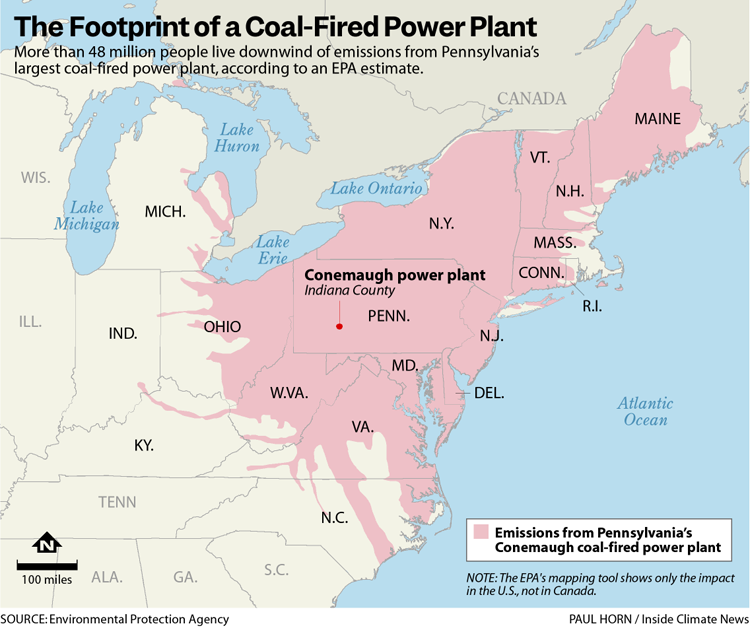
Pennsylvania, home to 14 coal-fired power plants, exemplifies the local impact of the repeal:
- Residents face ongoing mercury contamination in waterways, leading to fish consumption advisories.
- Local environmental groups warn that eliminating enforcement of standards may allow plants to reduce pollution controls.
- Health risks from increased air pollution remain a significant concern for communities near these plants.
Conclusion
The EPA’s repeal of the 2024 air pollution standards for power plants presents complex challenges to achieving Sustainable Development Goals related to health, clean energy, climate action, and ecosystem protection. While the rollback aims to support economic and energy objectives, it raises critical questions about balancing industrial interests with public health and environmental sustainability. Ongoing monitoring, research, and policy evaluation will be essential to address these challenges and promote sustainable development.
1. Sustainable Development Goals (SDGs) Addressed or Connected
- SDG 3: Good Health and Well-being – The article discusses the health impacts of air pollution from coal- and oil-fired power plants, including cancer, asthma, heart attacks, and premature death.
- SDG 7: Affordable and Clean Energy – The article addresses energy production from coal-fired power plants and the balance between maintaining affordable electricity and environmental regulations.
- SDG 13: Climate Action – The article mentions climate benefits related to air pollution standards and the impact of coal plants on climate change.
- SDG 12: Responsible Consumption and Production – The discussion about emissions standards and pollution control relates to sustainable industrial practices.
- SDG 6: Clean Water and Sanitation – Mercury contamination in waterways and its bioaccumulation in fish is highlighted, affecting water quality and ecosystem health.
2. Specific Targets Under Those SDGs Identified
- SDG 3 – Target 3.9: Reduce the number of deaths and illnesses from hazardous chemicals and air, water, and soil pollution and contamination. The article’s focus on mercury, lead, cadmium, and arsenic emissions relates directly to this target.
- SDG 7 – Target 7.2: Increase substantially the share of renewable energy in the global energy mix and improve energy efficiency. Though not explicitly about renewables, the article’s discussion on coal plant regulations ties into transitioning to cleaner energy sources.
- SDG 13 – Target 13.2: Integrate climate change measures into national policies, strategies, and planning. The article references climate benefits from pollution standards and regulatory rollbacks affecting climate action.
- SDG 12 – Target 12.4: Achieve the environmentally sound management of chemicals and all wastes throughout their life cycle. The article’s focus on hazardous air pollutants and regulatory standards connects here.
- SDG 6 – Target 6.3: Improve water quality by reducing pollution, eliminating dumping, and minimizing release of hazardous chemicals. Mercury contamination in waterways discussed in the article relates to this target.
3. Indicators Mentioned or Implied to Measure Progress
- Indicator 3.9.1: Mortality rate attributed to household and ambient air pollution. The article’s mention of premature deaths and health impacts from air pollution implies this indicator.
- Indicator 7.2.1: Renewable energy share in the total final energy consumption. While coal is the focus, the article implies the need to monitor energy sources and their environmental impact.
- Indicator 13.2.2: Total greenhouse gas emissions per year. The article discusses climate benefits and emissions from coal plants, relevant to this indicator.
- Indicator 12.4.2: Hazardous waste generated per capita and proportion treated, by type of treatment. The article’s focus on hazardous air pollutants and regulatory standards suggests monitoring hazardous emissions.
- Indicator 6.3.2: Proportion of bodies of water with good ambient water quality. Mercury contamination in waterways and fish consumption advisories relate to this indicator.
- Additional implied indicators:
- Levels of mercury, lead, cadmium, and arsenic emissions from power plants.
- Compliance rates of power plants with air pollution standards.
- Health statistics related to respiratory and cardiovascular diseases in affected communities.
- Number of coal-fired power plants meeting or failing to meet pollution standards.
4. Table of SDGs, Targets, and Indicators
| SDGs | Targets | Indicators |
|---|---|---|
| SDG 3: Good Health and Well-being | 3.9: Reduce deaths and illnesses from hazardous chemicals and pollution | 3.9.1: Mortality rate attributed to household and ambient air pollution; Health statistics on respiratory and cardiovascular diseases |
| SDG 7: Affordable and Clean Energy | 7.2: Increase share of renewable energy and improve energy efficiency | 7.2.1: Renewable energy share in total final energy consumption; Compliance rates of power plants with pollution standards |
| SDG 13: Climate Action | 13.2: Integrate climate change measures into policies and planning | 13.2.2: Total greenhouse gas emissions per year; Emissions levels from coal-fired power plants |
| SDG 12: Responsible Consumption and Production | 12.4: Environmentally sound management of chemicals and wastes | 12.4.2: Hazardous waste generated per capita and proportion treated; Levels of hazardous air pollutants (mercury, lead, cadmium, arsenic) |
| SDG 6: Clean Water and Sanitation | 6.3: Improve water quality by reducing pollution and hazardous chemical release | 6.3.2: Proportion of bodies of water with good ambient water quality; Mercury contamination levels in waterways and fish |
Source: insideclimatenews.org
What is Your Reaction?
 Like
0
Like
0
 Dislike
0
Dislike
0
 Love
0
Love
0
 Funny
0
Funny
0
 Angry
0
Angry
0
 Sad
0
Sad
0
 Wow
0
Wow
0