









































Write to End Violence Against Women Awards 2025: Shortlist released – End Violence Against Women
Report on the 2025 Write to End Violence Against Women Awards and Alignment with Sustainable Development Goals
Introduction: Media’s Role in Advancing SDG 5 and SDG 16
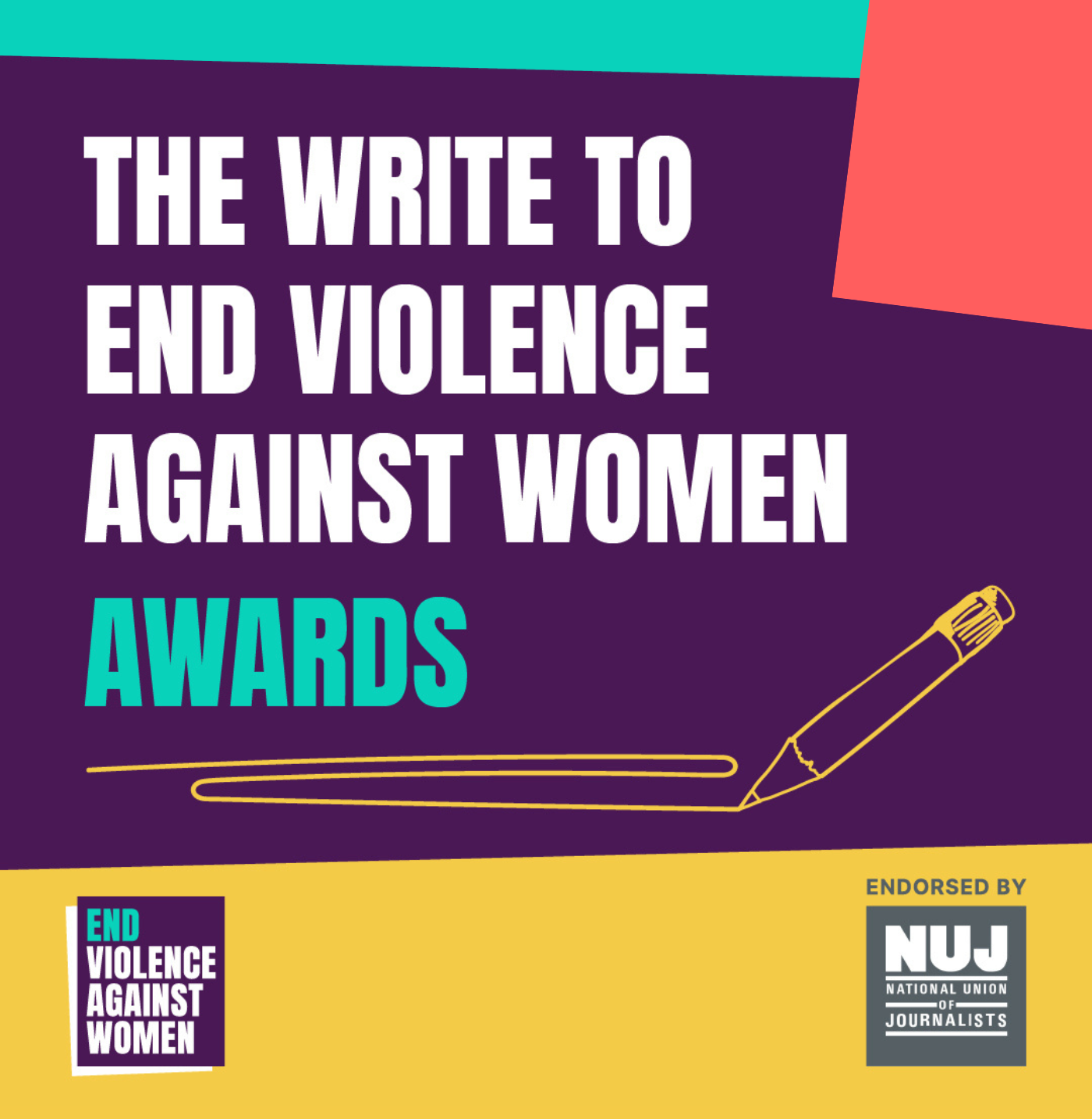
The elimination of violence against women and girls (VAWG) is a critical component of the 2030 Agenda for Sustainable Development, specifically addressed under Sustainable Development Goal 5 (Gender Equality) and Goal 16 (Peace, Justice and Strong Institutions). Target 5.2 explicitly calls for the elimination of all forms of violence against all women and girls. The media plays a fundamental role in shaping public attitudes and holding institutions accountable, thereby contributing directly to the achievement of these goals. This report details the 2025 shortlist for the Write to End Violence Against Women Awards, which recognizes journalistic excellence in this area.
Award Overview and Contribution to Sustainable Development
Purpose of the Awards
The End Violence Against Women Coalition (EVAW) hosts the annual awards to celebrate journalism that responsibly reports on VAWG. By championing reporting that avoids sensationalism, victim-blaming, and stereotypes, the awards promote a media landscape that supports the objectives of SDG 5. This initiative acknowledges that quality journalism is a vital tool for shifting harmful social norms, preventing abuse, and ensuring institutional accountability, which are foundational to building peaceful and just societies as envisioned in SDG 16.
Nomination and Selection Process
The awards consider any piece published between 1st October 2024 and 30th September 2025, based on public nominations. The 2025 shortlist features writers from prominent outlets including the Guardian, BBC, iNews, Glamour UK, and Open Democracy.
2025 Awards Shortlist
Best News
- Two in five arrested for last summer’s UK riots had been reported for domestic abuse – Nic Murray and Rajeev Syal, The Guardian, 26th July 2025
- My abusive husband tried to kill me multiple times’ – Shehnaz Khan, BBC News, 29th January 2025
- UK police to charge more abusers with manslaughter after suicide of partner – Ben Quinn, The Guardian, 25th March 2025
- Survivors of coercive control are being criminalised in England, research finds – Hannah Al-Othman, The Guardian, 27th July 2025
- More than 170 mothers killed by their sons in 15 years in UK, report reveals – Alexandra Topping and Jessica Murray, The Guardian, 5th March 2025
Best Feature
This category includes articles that address intersecting inequalities, a key principle of SDG 10 (Reduced Inequalities), by highlighting the experiences of migrant women and women of colour.
- FGM In The UK: A Common Sexual Assault On Migrant Women – Sonia Sarkar, Migrant Woman Press, 3rd December 2024
- My daughter, 15, was murdered by her ex. It must be called domestic abuse – Alannah Francis, iNews, 9th November 2024
- ‘Would love to see her faked’: the dark world of sexual deepfakes – and the women fighting back – Shanti Das, The Guardian, 12th January 2025
- For Muslim women, images of us without our hijabs can be as damaging as nude photos – Alia Waheed, Glamour UK, 24th March 2025
- ‘There is no safe way to do it’: the rapid rise and horrifying risks of choking during sex – Anna Moore, The Guardian, 7th July 2025
- Too many crimes against women of colour are being ignored – Sharan Dhaliwal, Metro, 22nd March 2025
- Bonnie Blue, Channel 4 and the problem with commodifying sexual violence – Lucy Morgan, Glamour UK, 24th July 2025
Best Investigation
The investigative pieces shortlisted scrutinize institutional practices and systemic failures, directly aligning with the call in SDG 16 for effective, accountable, and transparent institutions.
- The Silicon Valley-style start-up targeting rape survivors at UK universities – Sian Norris, Open Democracy, 10th July 2025
- Psychologist’s ‘alarming’ views on domestic abuse throw spotlight on family court experts – Hannah Summers and Louise Tickle, The Bureau of Investigative Journalism, 30th January 2025
- Why are ‘deepfake porn’ tutorials still showing up in search engines? – Lydia Morrish, Glamour UK, 22nd November 2024
- Rape victims could have health data and sexual history trawled by police AI tool – Cahal Milmo and Mark Wilding, iNews, 23rd July 2025
Best Opinion and Comment
- Gisèle Pélicot’s refusal to be shamed changes everything – Kate Maltby, iNews, 23rd October 2024
- Survivors of strangulation are being let down when they turn on their TVs – Thaira Mhearban, Metro, 17th May 2025
- A harrowing new report reveals rape culture is poisoning British Primary Schools – Mischa Anouk Smith, Marie Claire, 3rd April 2025
- “Let’s call the Ballymena riots what they really are: toxic men using women’s pain as an excuse to be violent” – Sara Macauley, Cosmopolitan, 13th June 2025
- How tech became the new frontier of domestic violence against women and girls – Emma Pickering, Open Democracy, 24th September 2025
- How To Date When You Don’t Trust Men – Jamila Pereira, Black Ballad, 1st May 2025
Best Blog and Self-Published
- She Was only 15: When Misogynoir Wears a Uniform – Sierra Kamara (Griotgal), Griotgal Substack, 28th June 2025
- The Hijacking of Women’s Safety – David Challen, David Challen Substack, 31st August 2025
- Netflix’s Adolescence: Ten “Teachable” Takeaways – Jackson Katz, Jackson Katz Substack, 26th April 2025
- When the Algorithm Meets Feminism: Bonnie Blue, Outrage Machines and the Cost of Visibility – Seyi Akiwowo, Seyi Akiwowo Substack, 28th July 2025
Stakeholder Analysis on Media’s Impact on SDG Targets
End Violence Against Women Coalition (EVAW) Perspective
Andrea Simon, Director of EVAW, underscored the media’s significant influence on public attitudes regarding violence against women. It was noted that quality reporting and investigations are instrumental in achieving the targets of SDG 5 by helping to prevent abuse and reshape harmful narratives. Furthermore, by holding perpetrators and institutions accountable, such journalism directly supports the justice and institutional reform elements of SDG 16.
National Union of Journalists (NUJ) Perspective
Nick McGowan-Lowe, National Organiser for the NUJ, affirmed that news reporting plays a crucial role in exposing and framing the issue of VAWG. The NUJ’s commitment to upholding ethical standards through its Code of Conduct aligns with the principles of responsible and just reporting necessary to advance SDG 16. The union supports the awards for recognizing journalism that sensitively interviews survivors and exposes perpetrators, thereby contributing to a more just and equitable society.
Analysis of Sustainable Development Goals in the Article
1. Which SDGs are addressed or connected to the issues highlighted in the article?
-
SDG 5: Gender Equality
This is the most prominent SDG addressed. The entire article focuses on the “End Violence Against Women Coalition” and its awards for journalism that reports on violence against women and girls (VAWG). The shortlisted articles cover a wide spectrum of issues central to gender equality, such as domestic abuse, sexual assault, FGM, coercive control, and the murder of women, all of which are significant barriers to achieving gender equality.
-
SDG 16: Peace, Justice and Strong Institutions
The article connects to SDG 16 by highlighting the role of the justice system and institutions in addressing VAWG. Several shortlisted articles examine the response of the police and courts, such as “UK police to charge more abusers with manslaughter,” “Survivors of coercive control are being criminalised,” and investigations into family court experts and police use of AI tools on rape victims. These topics directly relate to ensuring access to justice and building effective, accountable institutions.
-
SDG 10: Reduced Inequalities
The article touches upon SDG 10 by referencing articles that focus on the intersection of gender with other forms of inequality, such as race and migrant status. The shortlisted pieces “FGM In The UK: A Common Sexual Assault On Migrant Women” and “Too many crimes against women of colour are being ignored” explicitly point out how violence disproportionately affects marginalized groups of women, highlighting the need to address these intersecting inequalities.
-
SDG 3: Good Health and Well-being
The physical and mental health consequences of violence against women are implicitly and explicitly addressed, linking the article to SDG 3. The mention of “suicide of partner” as a result of abuse, the “horrifying risks of choking during sex,” and the psychological trauma discussed in articles like “How To Date When You Don’t Trust Men” all point to the severe health impacts of VAWG.
2. What specific targets under those SDGs can be identified based on the article’s content?
-
SDG 5: Gender Equality
- Target 5.2: Eliminate all forms of violence against all women and girls in the public and private spheres, including trafficking and sexual and other types of exploitation. This is the central target. The article is a direct call to action on this issue, celebrating journalism that covers domestic abuse (“My abusive husband tried to kill me multiple times”), murder (“More than 170 mothers killed by their sons”), harmful practices (“FGM In The UK”), and new forms of violence like “sexual deepfakes.”
- Target 5.c: Adopt and strengthen sound policies and enforceable legislation for the promotion of gender equality. The article references topics that scrutinize current policies and legislation, such as the criminalization of coercive control and the push for police to charge abusers with manslaughter, indicating a focus on the effectiveness of legal frameworks.
-
SDG 16: Peace, Justice and Strong Institutions
- Target 16.1: Significantly reduce all forms of violence and related death rates everywhere. The article directly addresses this target by highlighting reports on femicide, such as “More than 170 mothers killed by their sons in 15 years in UK” and “My daughter, 15, was murdered by her ex.”
- Target 16.2: End abuse, exploitation, trafficking and all forms of violence against and torture of children. The murder of a 15-year-old girl and the report on “rape culture” in primary schools are directly relevant to this target of protecting children from violence.
- Target 16.3: Promote the rule of law… and ensure equal access to justice for all. This target is addressed in articles investigating the justice system’s failures and biases, such as “Survivors of coercive control are being criminalised,” the investigation into “family court experts,” and the potential misuse of an “AI tool” by police on rape victims’ data.
-
SDG 10: Reduced Inequalities
- Target 10.2: By 2030, empower and promote the social, economic and political inclusion of all, irrespective of age, sex, disability, race, colour, ethnicity, origin… The article highlights journalism that focuses on the specific vulnerabilities of women of colour and migrant women, whose experiences of violence are often ignored, thereby advocating for their inclusion and protection.
3. Are there any indicators mentioned or implied in the article that can be used to measure progress towards the identified targets?
While the article does not mention official SDG indicator codes, it provides specific data and qualitative information from the shortlisted news reports that can serve as de facto indicators for measuring progress.
-
Indicators for Violence Prevalence and Severity (Targets 5.2 & 16.1)
The article provides concrete statistics that can be used as indicators to track the scale of violence. For example, the report stating “More than 170 mothers killed by their sons in 15 years in UK” is a direct indicator of femicide rates. The statistic that “Two in five arrested for last summer’s UK riots had been reported for domestic abuse” serves as an indicator of the prevalence of domestic abuse and its link to broader societal violence.
-
Indicators for Justice System Response (Target 16.3)
The effectiveness of the justice system can be measured by tracking the issues raised in the article. An increase or decrease in the number of abusers charged with manslaughter following a partner’s suicide, or changes in the rate at which survivors of coercive control are criminalized, can serve as indicators of whether access to justice is improving or worsening.
-
Indicators for Harmful Practices and Emerging Threats (Target 5.2)
The article implies the need for indicators to track both traditional and new forms of violence. The prevalence of FGM among migrant communities is an indicator for harmful practices. The rise of “sexual deepfakes” and the use of tech in domestic abuse suggest a need for new indicators to measure technology-facilitated gender-based violence.
4. Table of SDGs, Targets, and Indicators
| SDGs | Targets | Indicators (Mentioned or Implied in the Article) |
|---|---|---|
| SDG 5: Gender Equality | 5.2: Eliminate all forms of violence against women and girls. |
|
| SDG 16: Peace, Justice and Strong Institutions |
16.1: Reduce all forms of violence and related death rates. 16.2: End abuse, exploitation, and all forms of violence against children. 16.3: Ensure equal access to justice for all. |
|
| SDG 10: Reduced Inequalities | 10.2: Promote the social inclusion of all, irrespective of race, ethnicity, origin, etc. |
|
| SDG 3: Good Health and Well-being | 3.4: Promote mental health and well-being. |
|
Source: endviolenceagainstwomen.org.uk
What is Your Reaction?
 Like
0
Like
0
 Dislike
0
Dislike
0
 Love
0
Love
0
 Funny
0
Funny
0
 Angry
0
Angry
0
 Sad
0
Sad
0
 Wow
0
Wow
0