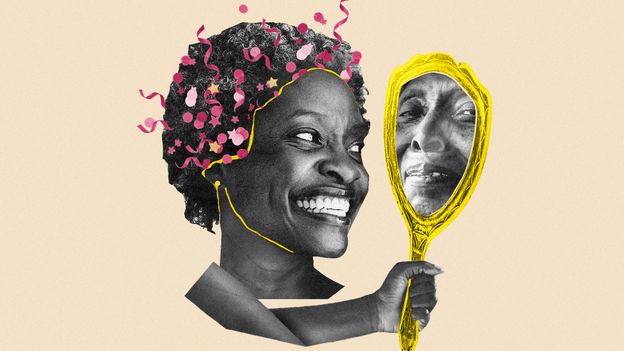
A transition from ‘Ageism’ to ‘Agevism’ – The Daily Star

Report on Ageing Population and Ageism in Bangladesh: Emphasizing Sustainable Development Goals (SDGs)
Demographic Trends and Ageing Population in Bangladesh
Bangladesh, with a population that has increased from 75 million in 1971 to 169.4 million in 2021, is one of the most densely populated countries globally, with a density of 1,119 people per square kilometre (BBS, 2023). The total fertility rate has sharply declined from 6.3 in 1971 to 2.3 in 2017–18 (NIPORT, ACPR, ICF, & Inc., 2020). Consequently, the elderly population is projected to rise significantly, from 1.94 million in 1951 to 44 million by 2050, representing approximately 22% of the national population (Kabir et al., 2013; Khan & Leeson, 2006; Rahman, 2020). Currently, there are about 15 million people aged 60 and above in Bangladesh (BBS, 2023).
Ageism in Bangladesh: A Socio-Economic and Cultural Challenge
Ageism, defined as stereotyping and discrimination based on age, is a pervasive issue in Bangladesh, affecting the elderly in social, economic, cultural, and legal spheres. Factors contributing to ageism include low economic capacity, poverty, loss of work and authority, reduced physical mobility, rapid social changes, breakdown of traditional family structures, and shifting cultural values. Ageism acts as a social virus, hindering well-being initiatives at both national and local levels.
Impact of Ageism on Older Adults
- The elderly are increasingly vulnerable and marginalized.
- Average household size has decreased from 5.6 in 1973 to 4.2 in 2022, leading to more nuclear families and altered social attitudes toward older adults.
- Traditional family-based support systems are weakening, increasing the risk of neglect and reduced care.
- Older adults are increasingly dependent on government assistance for healthcare and financial security.
Legal and Policy Frameworks Addressing Ageing and Ageism
Bangladesh’s legal arrangements for elderly rights protection are based on a mixed public-private and family services model. Key policies and laws include:
- Constitutional Non-Discrimination Principles: Incorporate human rights applicable to anti-ageism but face challenges in enforceability.
- National Policy on Older Persons (2013): Addresses poverty alleviation and social inclusion but portrays the elderly as vulnerable.
- Universal Pension Scheme (2023) and Maintenance of Parents Act (2013): Provide legal mechanisms for elderly rights but shift responsibility to families and individuals.
- Old Age Allowance (OAA): A means-tested monthly stipend for financially vulnerable older adults.
- Other Social Security Programs: Include allowances for freedom fighters, widows, and deserted women supporting many older people.
Gaps and Challenges in Existing Policies
- Mandatory retirement laws may deepen ageism.
- Absence of comprehensive Anti-Age Discrimination Laws.
- Lack of specific elderly abuse prevention legislation.
- Health services are largely age-insensitive, with limited geriatric care facilities.
- Social protection coverage is inadequate, with benefits insufficient to meet living costs.
- Policies sometimes reinforce negative stereotypes by portraying older adults as physically and mentally vulnerable.
Integration of Ageing Issues in National Development Policies
Ageing issues have been incorporated into various national policies and plans, including:
- Health Population & Nutrition Sector Development Plan (HPNSDP) (2011)
- Accelerating Growth and Reducing Poverty (2011)
- Population Policy (2012)
- Social Welfare Policy (2012)
- Sixth Five-Year Plan FY2011-FY2015
- National Health Policy for Older Persons (2008)
- Bangladesh Family Care Program (2012)
These policies emphasize healthcare development, poverty reduction, and social inclusion but require a shift towards promoting active ageing and sustainable well-being.
Ageism and Sustainable Development Goals (SDGs)
Addressing ageism in Bangladesh aligns with several SDGs, including:
- SDG 1: No Poverty – by reducing poverty among older adults through social protection schemes.
- SDG 3: Good Health and Well-being – by improving age-sensitive healthcare services and promoting active ageing.
- SDG 5: Gender Equality – by addressing the specific disadvantages faced by older women.
- SDG 10: Reduced Inequalities – by combating discrimination and promoting social inclusion of the elderly.
- SDG 16: Peace, Justice, and Strong Institutions – by strengthening legal frameworks and rights protection for older persons.
Policy Recommendations to Combat Ageism
- Legal Reforms:
- Enact a comprehensive Anti-Age Discrimination Act covering employment, healthcare, and public services.
- Strengthen enforcement of the Maintenance of Parents Act.
- Introduce an elderly abuse prevention law with dedicated justice mechanisms.
- Institutional Reforms:
- Establish a National Commission for Older Persons to coordinate policies and monitor rights implementation.
- Expand social protection by broadening the Universal Pension Scheme and ensuring adequate allowances.
- Healthcare and Community Support:
- Develop age-friendly hospitals and community-based care programs.
- Implement psychosocial support initiatives for elderly well-being.
- Cultural Transformation:
- Promote intergenerational solidarity through education, media, and local initiatives.
- Counter stereotypes by recognizing older adults as contributors to society.
Conclusion: Towards Agevism and Inclusive Ageing Policies
Combating ageism in Bangladesh requires recognizing older persons as rights-holders, a concept termed “Agevism.” This approach demands rights-based, inclusive, and empowering policies that align constitutional principles, legal safeguards, and social attitudes with international standards. By doing so, Bangladesh can foster a just and democratic society where ageing is valued as a vital component of sustainable development rather than viewed as a socio-economic burden.
Key Points Summary
- Bangladesh is experiencing rapid population ageing, with older adults projected to constitute over 20% of the population by 2050.
- Ageism is deeply rooted, marginalizing elderly individuals socially, economically, and culturally.
- Traditional family-based care systems are weakening, increasing reliance on insufficient state support.
- Existing laws provide partial protection but often reinforce vulnerability instead of dignity.
- A paradigm shift towards “Agevism” is essential, promoting rights-based, inclusive, and empowering ageing policies in line with the SDGs.
1. Sustainable Development Goals (SDGs) Addressed or Connected to the Issues Highlighted in the Article
- SDG 1: No Poverty
- The article discusses poverty alleviation among older adults and the financial vulnerability of the elderly population in Bangladesh.
- SDG 3: Good Health and Well-being
- Focus on healthcare access for older persons, including the need for age-friendly hospitals and geriatric services.
- Issues related to physical and mental health care for the ageing population.
- SDG 5: Gender Equality
- Highlighting the particular disadvantages faced by older women due to gender inequality and poor pension coverage.
- SDG 10: Reduced Inequalities
- Addressing ageism as a form of discrimination and marginalization of older adults.
- Need for anti-age discrimination laws and social inclusion policies.
- SDG 16: Peace, Justice and Strong Institutions
- Legal frameworks protecting elderly rights, judicial enforceability, and the call for a National Commission for Older Persons.
- SDG 17: Partnerships for the Goals
- Integration of ageing issues into national policies and coordination among government agencies.
2. Specific Targets Under Those SDGs Identified Based on the Article’s Content
- SDG 1: No Poverty
- Target 1.3: Implement nationally appropriate social protection systems and measures for all, including floors, and achieve substantial coverage of the poor and vulnerable.
- Target 1.4: Ensure that all men and women, particularly the vulnerable, have equal rights to economic resources and access to basic services.
- SDG 3: Good Health and Well-being
- Target 3.4: Promote mental health and well-being.
- Target 3.8: Achieve universal health coverage, including financial risk protection and access to quality essential health-care services.
- Target 3.c: Increase health financing and recruitment, development, training and retention of the health workforce in developing countries.
- SDG 5: Gender Equality
- Target 5.4: Recognize and value unpaid care and domestic work through social protection policies and public services.
- Target 5.a: Undertake reforms to give women equal rights to economic resources.
- SDG 10: Reduced Inequalities
- Target 10.2: Empower and promote the social, economic and political inclusion of all, irrespective of age.
- Target 10.3: Ensure equal opportunity and reduce inequalities of outcome, including through anti-discrimination laws.
- SDG 16: Peace, Justice and Strong Institutions
- Target 16.6: Develop effective, accountable and transparent institutions at all levels.
- Target 16.b: Promote and enforce non-discriminatory laws and policies for sustainable development.
- SDG 17: Partnerships for the Goals
- Target 17.14: Enhance policy coherence for sustainable development.
- Target 17.17: Encourage effective partnerships between government agencies and other stakeholders.
3. Indicators Mentioned or Implied in the Article to Measure Progress Towards the Identified Targets
- Population Ageing Indicators
- Proportion of population aged 60 years and older (e.g., projected 22% by 2050).
- Number of older adults (currently approximately 15 million in Bangladesh).
- Social Protection Coverage
- Percentage of older adults receiving Old Age Allowance or pension benefits (noted as covering less than half of eligible seniors).
- Amount and adequacy of monthly stipends (e.g., 650 Taka per month proposed for Old Age Allowance).
- Health Services Accessibility
- Availability of geriatric units in hospitals and trained personnel in rural health centres.
- Access to age-friendly health services and psychosocial support programs.
- Legal and Institutional Measures
- Existence and enforcement of anti-age discrimination laws (currently lacking in Bangladesh).
- Establishment of a National Commission for Older Persons to monitor rights implementation.
- Implementation and enforcement of Maintenance of Parents Act and Universal Pension Scheme.
- Social Inclusion and Attitudinal Change
- Indicators related to reduction in ageism and increased social inclusion of older persons (implied through cultural and educational initiatives).
- Measurement of intergenerational solidarity and public perception of elderly as contributors rather than burdens.
4. Table: SDGs, Targets and Indicators
| SDGs | Targets | Indicators |
|---|---|---|
| SDG 1: No Poverty |
|
|
| SDG 3: Good Health and Well-being |
|
|
| SDG 5: Gender Equality |
|
|
| SDG 10: Reduced Inequalities |
|
|
| SDG 16: Peace, Justice and Strong Institutions |
|
|
| SDG 17: Partnerships for the Goals |
|
|
Source: thedailystar.net
What is Your Reaction?
 Like
0
Like
0
 Dislike
0
Dislike
0
 Love
0
Love
0
 Funny
0
Funny
0
 Angry
0
Angry
0
 Sad
0
Sad
0
 Wow
0
Wow
0