




































Breathing This Every Day? Scientists Warn Air Pollution May Be Rewiring Your Brain – North American Community Hub Statistics
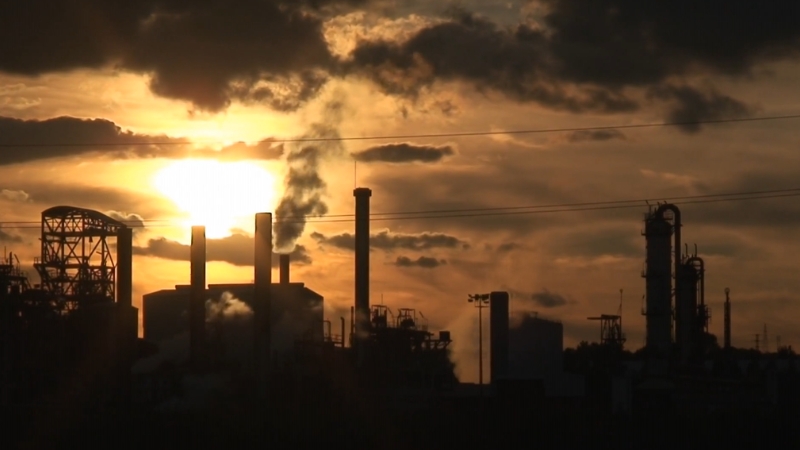
Report on Environmental Pollution and Its Impact on Mental Health in Urban Areas
Introduction
For decades, pollution has been primarily recognized as a threat to lung and heart health. However, recent research indicates that the environmental conditions of modern cities may also significantly affect mental health. The European Environment Agency (EEA) has issued warnings linking exposure to polluted air, industrial chemicals, and constant urban noise with increased rates of anxiety, depression, and other psychological disorders. This report emphasizes the relevance of Sustainable Development Goals (SDGs), particularly SDG 3 (Good Health and Well-being), SDG 11 (Sustainable Cities and Communities), and SDG 13 (Climate Action), in addressing these challenges.
Air Pollution: The Invisible Trigger Behind Rising Depression
The EEA report highlights a consistent association between exposure to fine particulate matter (PM2.5) and nitrogen dioxide (NO2) with higher rates of depression and depressive symptoms. PM2.5 particles, originating mainly from traffic emissions, coal burning, and industrial combustion, can penetrate the lungs and bloodstream, potentially reaching the brain and triggering chronic inflammation that affects neurological processes.
Key Pollutants and Their Mental Health Impacts
| Pollutant | Main Source | Potential Mental Health Impact |
|---|---|---|
| PM2.5 | Vehicle exhaust, power plants, industrial combustion | Associated with depressive symptoms and cognitive decline |
| PM10 | Dust, construction, road traffic | Linked to respiratory stress and possible mood changes |
| NO2 | Diesel engines, heavy traffic corridors | Higher anxiety and depression rates in high-exposure areas |
| SO2 | Industrial emissions, coal burning | Neurological inflammation risk |
| CO | Incomplete fuel combustion | Reduced oxygen delivery to brain tissue |
Studies reveal that residents near major highways or industrial facilities report significantly higher rates of depression and anxiety compared to those in cleaner suburban environments. Even moderate, long-term exposure to elevated PM2.5 levels may increase the likelihood of mood disorders, especially in densely populated urban areas.
Industrial Chemicals and Brain Development Risks
Chemical pollution from industry and manufacturing introduces additional risks to mental health, particularly through exposure to substances such as lead, endocrine-disrupting chemicals, and various industrial toxins. These chemicals can interfere with neurological development, especially during critical life stages such as pregnancy and childhood.
Chemical Pollutants and Their Long-Term Effects
| Chemical Pollutant | Common Source | Possible Long-Term Effect |
|---|---|---|
| Lead | Old infrastructure, industrial waste | Cognitive decline and mood disorders |
| Endocrine disruptors | Plastics, pesticides, industrial chemicals | Hormonal disruption affecting mental health |
| Heavy metals | Mining, manufacturing pollution | Neurotoxicity and developmental problems |
| Persistent organic pollutants | Industrial byproducts, agriculture | Long-term neurological stress |
These pollutants accumulate slowly in the environment and human tissue, with exposure potentially building over years before psychological effects manifest.
Noise Pollution: The Overlooked Psychological Stressor
Continuous exposure to urban noise from road traffic, aircraft, and dense infrastructure creates a persistent auditory environment that challenges the human nervous system. Chronic noise exposure elevates cortisol levels, disrupts sleep, and increases cardiovascular stress, which can gradually impair mental health, particularly among vulnerable populations.
- Residents near airports or busy urban corridors report higher sleep disturbances and daytime anxiety.
- Noise pollution reduces the brain’s ability to recover from daily stress, complicating emotional regulation.
- Prolonged exposure may increase vulnerability to depression and anxiety disorders.
The Hidden Mental Health Cost of Modern Cities
Urban environments concentrate multiple pollution sources simultaneously, including vehicle emissions, industrial toxins, and noise pollution, creating an environmental stress load that may adversely affect mental well-being. Large metropolitan areas with heavy traffic and dense industry often exhibit the highest combined pollution exposure levels.
Urban Pollution Sources and Mental Health Impacts
| Urban Pollution Source | Common Location | Potential Mental Health Impact |
|---|---|---|
| Road traffic emissions | Major highways, city centers | Increased anxiety and depressive symptoms |
| Industrial emissions | Manufacturing zones | Neurological inflammation risk |
| Aircraft noise | Airport surrounding districts | Chronic stress and sleep disruption |
| Construction activity | Rapidly growing urban areas | Persistent noise-related stress |
These environmental exposures interact with socioeconomic factors such as economic pressure, housing density, and social stress, amplifying mental health risks.
Nature as a Protective Factor for Mental Health
Scientific evidence suggests that access to natural environments can significantly improve mental well-being. Urban green spaces, parks, and tree-lined streets reduce stress, lower cortisol levels, and enhance mood regulation. Residents living near green spaces report lower anxiety and depression compared to those in heavily built environments.
- Exposure to natural environments counteracts neurological stress caused by pollution and noise.
- Investments in green infrastructure, such as urban forests and river restoration, contribute to public mental health protection.
Scientific Recommendations and Sustainable Development Goals
The European Environment Agency emphasizes that reducing pollution is critical not only for physical health but also for addressing the mental health crisis across Europe. Cleaner air, quieter neighborhoods, and stricter industrial chemical controls are essential strategies aligned with the following SDGs:
- SDG 3: Good Health and Well-being – Promoting mental health through pollution reduction.
- SDG 11: Sustainable Cities and Communities – Developing urban environments that minimize pollution and enhance green spaces.
- SDG 13: Climate Action – Reducing emissions that contribute to air pollution and climate change.
Ongoing research underscores the need for integrated policies that consider environmental and mental health outcomes to foster sustainable urban development and improve quality of life.
1. Sustainable Development Goals (SDGs) Addressed or Connected
- SDG 3: Good Health and Well-being
- The article discusses mental health disorders, anxiety, depression, and their association with pollution, directly relating to health and well-being.
- SDG 11: Sustainable Cities and Communities
- The focus on urban pollution, noise, and industrial emissions affecting mental health highlights the importance of sustainable urban environments.
- SDG 12: Responsible Consumption and Production
- Industrial chemicals and pollutants discussed relate to sustainable management and reduction of hazardous chemicals.
- SDG 13: Climate Action
- Although not explicitly stated, reducing air pollution and emissions contributes to climate action efforts.
- SDG 15: Life on Land
- The article’s emphasis on natural environments and green spaces as mental health supports links to protecting terrestrial ecosystems.
2. Specific Targets Under Those SDGs Identified
- SDG 3: Good Health and Well-being
- Target 3.4: Reduce by one third premature mortality from non-communicable diseases through prevention and treatment and promote mental health and well-being.
- Target 3.9: Substantially reduce the number of deaths and illnesses from hazardous chemicals and air, water, and soil pollution and contamination.
- SDG 11: Sustainable Cities and Communities
- Target 11.6: Reduce the adverse per capita environmental impact of cities, including air quality and waste management.
- Target 11.7: Provide universal access to safe, inclusive, and accessible green and public spaces.
- SDG 12: Responsible Consumption and Production
- Target 12.4: Achieve the environmentally sound management of chemicals and all wastes throughout their life cycle.
- SDG 13: Climate Action
- Target 13.2: Integrate climate change measures into national policies, strategies, and planning (implied through pollution reduction).
- SDG 15: Life on Land
- Target 15.1: Ensure the conservation, restoration, and sustainable use of terrestrial ecosystems, including urban green spaces.
3. Indicators Mentioned or Implied to Measure Progress
- Air Quality Indicators
- Concentrations of PM2.5 and NO2 in urban environments (article cites PM2.5 and NO2 exposure linked to mental health impacts).
- Levels of other pollutants such as PM10, SO2, CO, and heavy metals.
- Mental Health Indicators
- Prevalence rates of depression, anxiety, and other psychological disorders in urban populations.
- Burden of disease rankings related to mental health disorders (e.g., sixth largest burden of disease in EU).
- Exposure to Chemical Pollutants
- Measurement of lead, endocrine disruptors, heavy metals, and persistent organic pollutants in the environment and human tissue.
- Noise Pollution Indicators
- Levels of urban noise exposure, including traffic and aircraft noise.
- Reported sleep disturbance and stress levels in populations near noise sources.
- Access to Green Spaces
- Proportion of urban population with access to safe, inclusive, and accessible green and public spaces.
- Reported mental well-being improvements linked to proximity to natural environments.
4. Table of SDGs, Targets, and Indicators
| SDGs | Targets | Indicators |
|---|---|---|
| SDG 3: Good Health and Well-being |
|
|
| SDG 11: Sustainable Cities and Communities |
|
|
| SDG 12: Responsible Consumption and Production |
|
|
| SDG 13: Climate Action |
|
|
| SDG 15: Life on Land |
|
|
Source: nchstats.com
What is Your Reaction?
 Like
0
Like
0
 Dislike
0
Dislike
0
 Love
0
Love
0
 Funny
0
Funny
0
 Angry
0
Angry
0
 Sad
0
Sad
0
 Wow
0
Wow
0