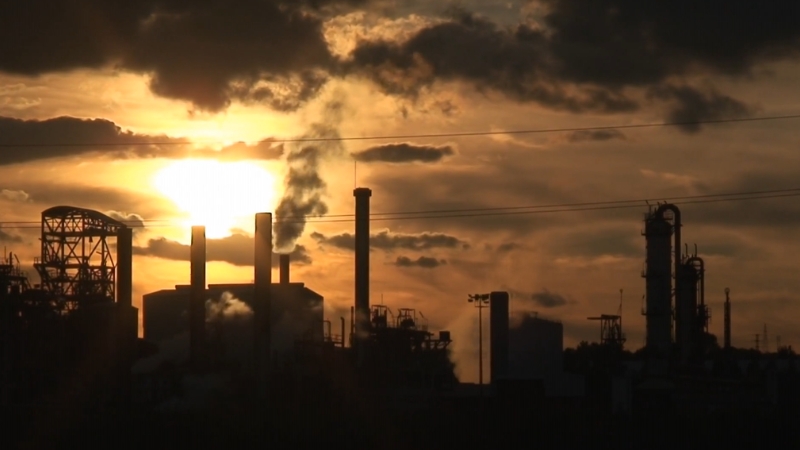

















Trump Weakens Rules Limiting Harmful Air Pollution from Coal Plants – Time Magazine

Report on EPA’s Revision of Coal Power Plant Emission Standards and Implications for Sustainable Development Goals
Introduction
The Environmental Protection Agency (EPA) has announced a rollback of restrictions on coal-burning power plants, permitting increased emissions of heavy metals such as mercury and lead. This policy shift reverses Biden-era amendments to the Mercury and Air Toxics Standards (MATS), which had imposed stringent limits and continuous monitoring requirements on hazardous air pollutants from coal-fired power plants.
Background on Mercury and Air Toxics Standards (MATS)
- MATS was initially established in 2012 to limit mercury, acid gases, and other toxic emissions from coal power plants.
- The 2012 standards led to a 90% reduction in mercury emissions within six years, significantly improving public health outcomes.
- Subsequent legal and administrative challenges have affected the enforcement and scope of MATS, including Supreme Court rulings and changes in EPA determinations under different administrations.
Health and Environmental Impacts of Coal Emissions
Coal combustion is the largest source of airborne mercury emissions in the United States and emits the highest carbon dioxide per energy unit among fossil fuels. Exposure to pollutants from coal plants is linked to:
- Respiratory illnesses such as asthma and lung cancer
- Neurotoxic effects impacting the nervous, digestive, and immune systems
- Damage to lungs, kidneys, skin, and eyes
The MATS regulations have been critical in mitigating these health risks, contributing to the achievement of Sustainable Development Goal (SDG) 3: Good Health and Well-being.
Policy Changes and Administrative Actions
- The 2024 Biden Administration strengthened MATS by introducing continuous emissions monitoring and stricter pollution limits.
- The current rollback by the EPA under the Trump Administration rescinds the 2024 enhancements but retains the original 2012 standards.
- Additional measures include the Department of Energy’s funding for coal plant upgrades and directives to keep aging coal plants operational.
Economic and Regulatory Considerations
The EPA estimates that the rollback will save approximately $670 million in regulatory costs. EPA Administrator Lee Zeldin stated that the changes aim to balance economic growth, energy reliability, and environmental protection. However, experts highlight that this cost-saving does not account for increased public health expenditures and environmental degradation, which contradicts SDG 3 (Good Health and Well-being) and SDG 13 (Climate Action).
Implications for Sustainable Development Goals
- SDG 3: Good Health and Well-being – The relaxation of emission limits threatens to increase exposure to hazardous pollutants, undermining efforts to reduce respiratory and neurological diseases.
- SDG 7: Affordable and Clean Energy – While coal provides baseload power, its environmental and health costs challenge the sustainability of energy systems.
- SDG 13: Climate Action – Increased coal emissions contribute to greenhouse gas accumulation, impeding climate change mitigation efforts.
- SDG 11: Sustainable Cities and Communities – Elevated air pollution levels adversely affect urban air quality and community health.
Stakeholder Perspectives and Legal Outlook
- Environmental advocates criticize the rollback as an attack on public health and a setback for environmental justice.
- Legal experts anticipate challenges to the deregulatory measures, emphasizing the need for maintaining health protections.
- The policy shift reflects broader tensions between economic interests in the coal industry and commitments to sustainable development.
Conclusion
The EPA’s decision to loosen coal plant emission standards presents significant challenges to achieving multiple Sustainable Development Goals, particularly those related to health, clean energy, and climate action. While economic arguments emphasize cost savings and energy reliability, the potential adverse impacts on public health and the environment necessitate careful consideration and robust legal scrutiny to ensure alignment with sustainable development objectives.
1. Sustainable Development Goals (SDGs) Addressed or Connected
- SDG 3: Good Health and Well-being
- The article discusses the health impacts of pollutants like mercury, lead, and particulate matter emitted by coal-burning power plants, linking exposure to asthma, lung cancer, respiratory infections, and neurotoxic effects.
- SDG 7: Affordable and Clean Energy
- The article focuses on coal as an energy source, its environmental and health costs, and regulatory changes affecting coal power plants.
- SDG 13: Climate Action
- Coal emits the most carbon dioxide per unit of energy among fossil fuels, contributing to climate change. The article highlights regulatory rollbacks that may increase emissions.
- SDG 12: Responsible Consumption and Production
- The article addresses pollution control and emissions standards, reflecting on sustainable industrial practices and environmental regulations.
- SDG 15: Life on Land
- Mercury and heavy metals released into the environment can affect ecosystems and biodiversity, which relates to this goal.
2. Specific Targets Under Those SDGs Identified
- SDG 3: Good Health and Well-being
- Target 3.9: By 2030, substantially reduce the number of deaths and illnesses from hazardous chemicals and air, water, and soil pollution and contamination.
- SDG 7: Affordable and Clean Energy
- Target 7.2: By 2030, increase substantially the share of renewable energy in the global energy mix and improve energy efficiency.
- SDG 13: Climate Action
- Target 13.2: Integrate climate change measures into national policies, strategies, and planning.
- SDG 12: Responsible Consumption and Production
- Target 12.4: By 2020, achieve the environmentally sound management of chemicals and all wastes throughout their life cycle.
- SDG 15: Life on Land
- Target 15.1: By 2020, ensure the conservation, restoration, and sustainable use of terrestrial and inland freshwater ecosystems and their services.
3. Indicators Mentioned or Implied to Measure Progress
- Mercury Emissions Reduction
- The article mentions a 90% drop in mercury emissions from power plants within six years of the 2012 MATS rule taking effect, which implies the use of mercury emission levels as an indicator.
- Airborne Pollutant Concentrations
- Continuous emissions monitoring of mercury, particulate matter, arsenic, cadmium, chromium, lead, and nickel is implied as a way to track pollutant levels.
- Health Outcomes
- Incidence rates of asthma, lung cancer, respiratory infections, and other illnesses linked to pollution exposure could serve as health indicators.
- Regulatory Compliance
- Percentage of coal plants meeting emission standards (e.g., 2012 MATS requirements) is an indicator of regulatory effectiveness.
- Economic Indicators
- Cost savings from rule changes (e.g., $670 million estimated savings) are mentioned but contrasted with health cost implications.
4. Table: SDGs, Targets and Indicators
| SDGs | Targets | Indicators |
|---|---|---|
| SDG 3: Good Health and Well-being | Target 3.9: Reduce deaths and illnesses from hazardous chemicals and pollution. |
|
| SDG 7: Affordable and Clean Energy | Target 7.2: Increase renewable energy share and improve energy efficiency. |
|
| SDG 13: Climate Action | Target 13.2: Integrate climate change measures into policies and planning. |
|
| SDG 12: Responsible Consumption and Production | Target 12.4: Environmentally sound management of chemicals and wastes. |
|
| SDG 15: Life on Land | Target 15.1: Conservation and sustainable use of terrestrial ecosystems. |
|
Source: time.com
What is Your Reaction?
 Like
0
Like
0
 Dislike
0
Dislike
0
 Love
0
Love
0
 Funny
0
Funny
0
 Angry
0
Angry
0
 Sad
0
Sad
0
 Wow
0
Wow
0