
















Study ties up to 12.5% of Pittsburgh area adult deaths to air pollution – TribLIVE.com
Report on Air Pollution and Health Impacts in the Pittsburgh Region with Emphasis on Sustainable Development Goals
Introduction
A recent study published in the Annals of Global Health highlights the significant impact of air pollution on adult mortality and public health in the Pittsburgh region. The research underscores the urgent need to address environmental health challenges in alignment with the United Nations Sustainable Development Goals (SDGs), particularly SDG 3 (Good Health and Well-being), SDG 11 (Sustainable Cities and Communities), and SDG 13 (Climate Action).
Study Overview
- Research Scope: The study analyzed air pollution exposure across eight counties in southwestern Pennsylvania, including Allegheny, Armstrong, Beaver, Butler, Fayette, Lawrence, Washington, and Westmoreland.
- Data Sources: Annual PM2.5 concentrations from 2016 were obtained via NASA’s satellite-based Socioeconomic Data and Applications Center and linked to vital records from the Pennsylvania Department of Health.
- Funding and Publication: Funded by The Heinz Endowments, the study was published on January 28.
Key Findings
- Mortality: Between 11.1% and 12.5% of 27,224 adult deaths in 2019 in the Pittsburgh metropolitan area were attributable to PM2.5 pollution, equating to approximately 3,085 to 3,467 deaths.
- Birth Outcomes: Air pollution was linked to 229 premature births, 177 low-weight births, and 12 stillbirths.
- Child Development: Among 24,604 children born in 2019, pollution was associated with a loss of 60,668 IQ points.
- Pollution Levels: Allegheny County recorded the highest annual mean PM2.5 concentration at 9.77 micrograms per cubic meter, while Washington County had the lowest at 7.92 micrograms per cubic meter.
Health and Environmental Implications
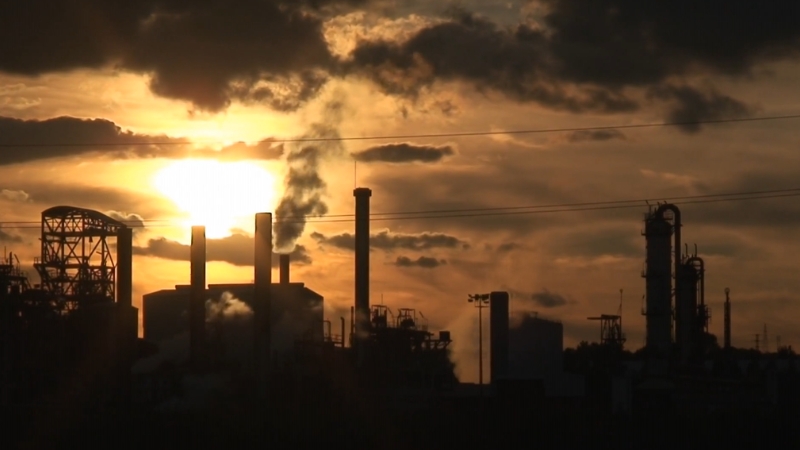
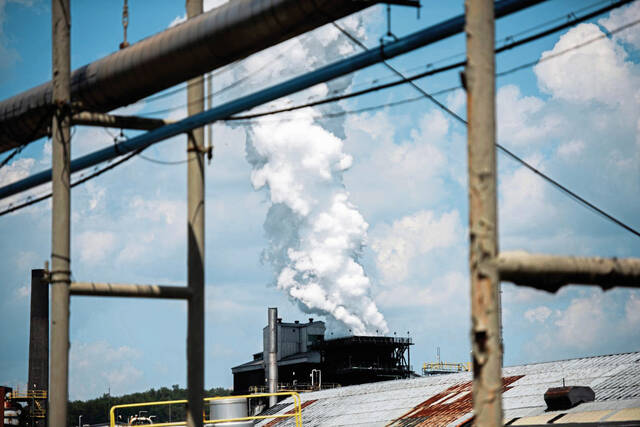
The study focused on PM2.5, fine particulate matter capable of penetrating deep into the lungs and causing severe health risks. It emphasized that PM2.5 is only one component of air pollution, noting the presence of other harmful pollutants such as black carbon and benzene, especially near industrial sources like steel mills and chemical plants.
Recommendations and Future Research
- Implementation of stricter air quality regulations to reduce PM2.5 and other pollutants, supporting SDG 3 and SDG 11.
- Further research into additional pollutants, including black carbon and benzene, to fully assess the health burden.
- Continued monitoring and reduction of particulate matter levels to protect vulnerable populations, particularly children and pregnant women.
Alignment with Sustainable Development Goals
- SDG 3 (Good Health and Well-being): Addressing air pollution directly contributes to reducing premature mortality and improving birth outcomes.
- SDG 11 (Sustainable Cities and Communities): Enhancing air quality supports healthier urban environments and sustainable community development.
- SDG 13 (Climate Action): Reducing industrial emissions and particulate matter aligns with climate mitigation efforts.
Conclusion
The findings from this study reveal a critical public health challenge posed by air pollution in southwestern Pennsylvania. The evidence supports urgent policy action and community engagement to reduce pollution levels, thereby advancing multiple Sustainable Development Goals and improving overall quality of life in the Pittsburgh region.
1. Sustainable Development Goals (SDGs) Addressed or Connected
- SDG 3: Good Health and Well-being
- The article discusses the health impacts of air pollution, including adult deaths, premature births, low-weight births, stillbirths, and reduced IQ scores in children.
- SDG 11: Sustainable Cities and Communities
- The focus on air pollution in urban and metropolitan areas of southwestern Pennsylvania relates to creating healthier, sustainable cities.
- SDG 13: Climate Action
- Air pollution is linked to industrial emissions and environmental degradation, highlighting the need for climate action and pollution control.
- SDG 12: Responsible Consumption and Production
- Industrial pollution sources such as steel mills and chemical plants point to the need for sustainable industrial practices.
2. Specific Targets Under Those SDGs
- SDG 3: Good Health and Well-being
- Target 3.9: By 2030, substantially reduce the number of deaths and illnesses from hazardous chemicals and air, water and soil pollution and contamination.
- Target 3.2: End preventable deaths of newborns and children under 5 years of age (linked to premature and low-weight births).
- SDG 11: Sustainable Cities and Communities
- Target 11.6: By 2030, reduce the adverse per capita environmental impact of cities, including air quality.
- SDG 13: Climate Action
- Target 13.2: Integrate climate change measures into national policies, strategies and planning (including pollution control).
- SDG 12: Responsible Consumption and Production
- Target 12.4: By 2020, achieve the environmentally sound management of chemicals and all wastes throughout their life cycle.
3. Indicators Mentioned or Implied to Measure Progress
- Air Quality Indicators
- Annual mean concentration of PM2.5 (micrograms per cubic meter) measured by NASA’s satellite data and local health departments.
- Health Outcome Indicators
- Percentage and number of adult deaths attributable to PM2.5 pollution.
- Number of premature births, low-weight births, and stillbirths linked to air pollution.
- Loss of IQ points in children born in the region.
- Pollution Source Indicators
- Presence and levels of other pollutants such as black carbon and benzene near industrial point sources.
4. Table of SDGs, Targets, and Indicators
| SDGs | Targets | Indicators |
|---|---|---|
| SDG 3: Good Health and Well-being |
|
|
| SDG 11: Sustainable Cities and Communities |
|
|
| SDG 13: Climate Action |
|
|
| SDG 12: Responsible Consumption and Production |
|
|
Source: triblive.com
What is Your Reaction?
 Like
0
Like
0
 Dislike
0
Dislike
0
 Love
0
Love
0
 Funny
0
Funny
0
 Angry
0
Angry
0
 Sad
0
Sad
0
 Wow
0
Wow
0