
































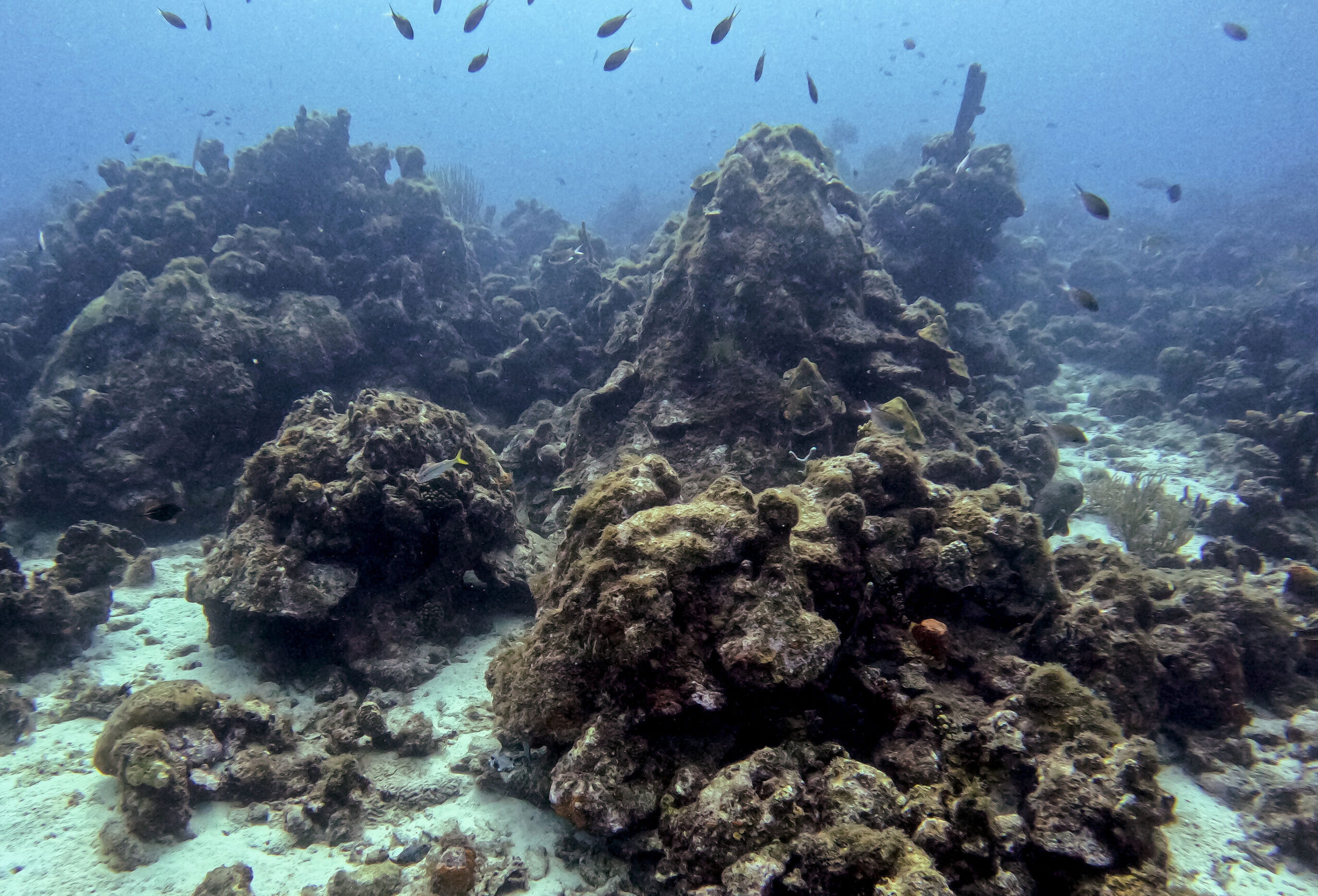
Coral reefs may succumb to erosion on a warmer planet – Scienceline
Report on Coral Reef Degradation and its Implications for Sustainable Development Goals
Executive Summary: The Intersection of Climate Change and Marine Ecosystem Health
Recent scientific findings indicate a critical acceleration in the degradation of coral reef ecosystems, directly undermining the achievement of several Sustainable Development Goals (SDGs). A study published in Nature highlights that escalating carbon emissions are causing increased ocean temperatures, acidification, and sea-level rise. These factors pose an imminent threat to the survival of coral reefs, particularly in the Western Atlantic, with profound consequences for marine biodiversity (SDG 14), climate action (SDG 13), and the resilience of coastal communities (SDG 11).
SDG 14: Life Below Water – A System Under Threat
The health of marine ecosystems, a primary focus of SDG 14, is severely compromised by the ongoing decline of coral reefs. Research indicates a rapid progression towards irreversible damage.
- Projected Ecosystem Collapse: A comprehensive study analyzing over 400 reefs in the Western Atlantic projects that if global warming reaches 2 degrees Celsius by 2050, the majority of these reefs will be unable to keep pace with sea-level rise.
- Net Erosion State: It is estimated that by 2040, over 70% of the studied reefs will enter a state of “net erosion,” where the rate of erosion surpasses the rate of coral growth.
- Mechanisms of Degradation:
- Coral Bleaching: Rising water temperatures, such as the 2023 marine heatwave in the Florida Keys where temperatures reached up to 38.4°C, force corals to expel symbiotic algae, leading to bleaching. This stress response leaves them vulnerable to disease and death.
- Impeded Growth: Ocean acidification reduces the availability of calcium carbonate, a critical component for coral skeleton formation, thereby hindering their ability to grow and maintain their structure.
- Loss of Biodiversity: As reef ecologist John Parkinson notes, future reefs will likely be less diverse and smaller, failing to provide the same ecological services, which is a direct setback for SDG 14’s goal of conserving marine biodiversity.
SDG 13: Climate Action – The Root Cause and Urgent Imperative
The degradation of coral reefs is a direct consequence of insufficient global progress on SDG 13. The ocean, as the largest carbon sink, is bearing the brunt of continued high emissions.
- Temperature Thresholds: The study confirms that exceeding climate thresholds, such as the 2°C warming scenario, will trigger tipping points for marine ecosystems.
- Need for Mitigation: Study co-author Didier De Bakker emphasizes that without global-scale carbon dioxide mitigation, periods of high sea surface temperatures will become longer and more frequent, making survival for coral species increasingly difficult.
- Sea-Level Rise: Rising sea levels, estimated to increase by 10 to 25 centimeters in the region, exacerbate the stress on reefs by increasing water depth and reducing their functional capacity.
SDG 11: Sustainable Cities and Communities – The Loss of Natural Coastal Defenses
The decline of coral reefs directly threatens the safety and resilience of coastal communities, a key target of SDG 11. Reefs provide critical ecosystem services that protect human settlements.
- Wave Energy Reduction: Healthy coral reef systems act as natural breakwaters, reducing wave energy by as much as 97%. This service is vital for protecting coastlines from erosion and flooding.
- Increased Vulnerability: As reefs erode and sea levels rise, their ability to buffer wave energy diminishes. This loss of natural infrastructure exposes coastal communities to greater risks of property damage and displacement, undermining efforts to build resilient and sustainable human settlements.
1. Which SDGs are addressed or connected to the issues highlighted in the article?
-
SDG 13: Climate Action
The article directly links the stress on coral reefs to climate change, citing accelerating carbon emissions, increasing ocean temperatures, and rising sea levels as the primary threats. It emphasizes the need for global CO2 mitigation to prevent further damage.
-
SDG 14: Life Below Water
The core subject of the article is the degradation of marine ecosystems, specifically coral reefs. It discusses ocean acidification, coral bleaching, net erosion of reefs, and the loss of marine biodiversity, all of which fall under the purview of protecting life below water.
-
SDG 11: Sustainable Cities and Communities
The article connects the health of coral reefs to the safety of coastal communities. It explains that reefs protect coastlines by reducing wave energy by 97%, and their erosion will lead to increased flooding and coastal erosion, impacting human settlements.
2. What specific targets under those SDGs can be identified based on the article’s content?
-
SDG 13: Climate Action
- Target 13.1: Strengthen resilience and adaptive capacity to climate-related hazards and natural disasters in all countries. The article highlights the increased risk of coastal erosion and flooding due to the degradation of coral reefs, which act as natural barriers. The failure to protect these reefs undermines the resilience of coastal areas to climate-related hazards like rising sea levels and stronger wave action.
-
SDG 14: Life Below Water
- Target 14.2: By 2020, sustainably manage and protect marine and coastal ecosystems to avoid significant adverse impacts, including by strengthening their resilience, and take action for their restoration in order to achieve healthy and productive oceans. The article’s central theme is the failure to protect coral reef ecosystems. It describes how over 70% of reefs in the study area may enter a state of “net erosion” due to climate change, directly addressing the need to manage and protect these vital systems.
- Target 14.3: Minimize and address the impacts of ocean acidification, including through enhanced scientific cooperation at all levels. The article explicitly mentions that as “oceans absorb more carbon, creating a warmer and more acidic environment, calcium carbonate — a key ingredient for coral’s skeletons — becomes less available, hindering coral’s ability to grow.” This directly relates to the challenge of ocean acidification.
-
SDG 11: Sustainable Cities and Communities
- Target 11.5: By 2030, significantly reduce the number of deaths and the number of people affected and substantially decrease the direct economic losses relative to global domestic product caused by disasters, including water-related disasters, with a focus on protecting the poor and people in vulnerable situations. The article states that reefs “reduce wave energy… by 97%, which helps to protect coastlines.” The loss of this natural protection service increases the vulnerability of coastal communities to flooding and erosion, which are water-related disasters.
3. Are there any indicators mentioned or implied in the article that can be used to measure progress towards the identified targets?
-
Indicators for Climate Change and Ocean Health (SDG 13 & 14)
- Global Temperature Rise: The article uses the projection of “global warming reaches 2 degrees Celsius” as a critical threshold for coral reef survival, making it a key indicator of climate impact.
- Sea Level Rise: The projected increase of “10 to 25 centimeters” is used as a direct measure of a climate change impact that threatens reefs.
- Sea Surface Temperature: Specific temperatures are mentioned, such as the optimal range for corals (73-84°F) and the extreme temperatures during the 2023 marine heatwave in the Florida Keys (90-101.1°F), serving as a direct indicator of stress on marine ecosystems.
- Ocean Acidification: While not quantified with a pH value, the article implies this as an indicator by stating that increased carbon absorption creates a “more acidic environment” that hinders coral growth.
-
Indicators for Marine Ecosystem Health (SDG 14)
- Reef Accretion Potential (RAP): The study mentioned in the article uses RAP, “the rates at which coral reefs are growing and eroding,” as a primary metric to assess reef health and project their future.
- Percentage of Reefs in Net Erosion: The projection that “more than 70% of reefs may enter a state of ‘net erosion'” by 2040 is a quantifiable indicator of ecosystem collapse.
- Coral Bleaching: The article describes bleaching as a “stress response, like a fever,” and its occurrence, particularly during the “unprecedented marine heat wave,” serves as a clear visual and biological indicator of reef distress.
- Coral Mortality Rate: The observation that “a lot of the natural corals… unfortunately died” during the heatwave is a direct indicator of the loss of marine life.
-
Indicators for Coastal Protection (SDG 11)
- Wave Energy Reduction: The statistic that reefs “reduce wave energy… by 97%” is a specific indicator of the ecosystem service provided for coastal protection. A decline in this percentage would indicate increased vulnerability for coastal communities.
4. Create a table with three columns titled ‘SDGs, Targets and Indicators” to present the findings from analyzing the article.
| SDGs | Targets | Indicators |
|---|---|---|
| SDG 13: Climate Action | 13.1: Strengthen resilience and adaptive capacity to climate-related hazards. |
|
| SDG 14: Life Below Water |
14.2: Sustainably manage and protect marine and coastal ecosystems.
14.3: Minimize and address the impacts of ocean acidification. |
|
| SDG 11: Sustainable Cities and Communities | 11.5: Significantly reduce the number of people affected by disasters, including water-related disasters. |
|
Source: scienceline.org
What is Your Reaction?
 Like
0
Like
0
 Dislike
0
Dislike
0
 Love
0
Love
0
 Funny
0
Funny
0
 Angry
0
Angry
0
 Sad
0
Sad
0
 Wow
0
Wow
0