

















































FDA says drug makers have recalled a blood pressure medicine tainted with a cancer-causing chemical – CNN
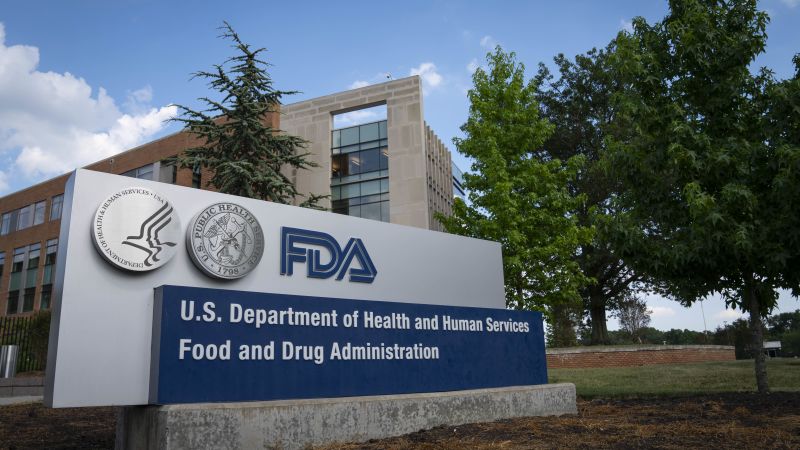
Pharmaceutical Recall Report: Prazosin Hydrochloride and Implications for Sustainable Development Goals
Incident Overview: Voluntary Recall of Prazosin Hydrochloride
- Product: Prazosin Hydrochloride, a medication prescribed for hypertension and sleep disturbances associated with post-traumatic stress disorder.
- Quantity Recalled: Over 580,000 bottles of various strengths.
- Reason for Recall: Potential contamination with N-nitrosamine impurities, which are classified as potentially carcinogenic chemicals that can form during drug manufacturing or storage.
- Initiating Parties: Teva Pharmaceuticals USA and Amerisource Health Services.
- Regulatory Oversight: The U.S. Food and Drug Administration (FDA) has assigned the recall a Class II risk classification.
Alignment with SDG 3: Good Health and Well-being
- This recall directly impacts the core mission of SDG 3, which is to ensure healthy lives and promote well-being for all. The removal of potentially harmful medication from the market is a critical action to protect patient health.
- The incident underscores the importance of Target 3.8, which calls for access to safe, effective, and quality essential medicines. The presence of carcinogenic impurities fundamentally compromises the safety and quality of the medication.
- By preventing exposure to potential carcinogens, this regulatory action contributes to the reduction of premature mortality from non-communicable diseases, as outlined in Target 3.4.
Implications for SDG 12: Responsible Consumption and Production
- The contamination issue points to challenges within the pharmaceutical production lifecycle, directly relating to SDG 12’s goal of ensuring sustainable consumption and production patterns.
- Specifically, this event highlights the need for adherence to Target 12.4, which advocates for the environmentally sound management of chemicals and all wastes throughout their life cycle to minimize their adverse impacts on human health.
- The recall serves as a call for greater corporate responsibility in manufacturing processes to prevent the formation of hazardous impurities, thereby ensuring consumer products are safe and sustainably produced.
The Role of Strong Institutions (SDG 16)
- The FDA’s role in overseeing the recall and informing the public exemplifies the function of effective, accountable, and transparent institutions, a cornerstone of SDG 16 (Peace, Justice and Strong Institutions).
- Regulatory frameworks and enforcement actions are essential institutional mechanisms for protecting public health, holding corporations accountable, and ensuring that safety standards are upheld.
- This action reinforces public trust in institutions responsible for guaranteeing the safety of essential goods like pharmaceuticals.
Summary of Key SDG Linkages
- Health Protection (SDG 3): The primary objective of the recall is to protect public health by removing a potentially unsafe product from circulation, directly supporting the goal of good health and well-being.
- Production Integrity (SDG 12): The incident reveals a lapse in responsible production practices, emphasizing the need for improved chemical management in the pharmaceutical industry.
- Institutional Accountability (SDG 16): The regulatory response by the FDA demonstrates the critical function of strong institutions in enforcing safety protocols and safeguarding citizen welfare.
1. Which SDGs are addressed or connected to the issues highlighted in the article?
-
SDG 3: Good Health and Well-being
This goal is central to the article, which discusses a public health issue involving a medication (prazosin hydrochloride) used for blood pressure and PTSD. The recall action by the U.S. Food and Drug Administration (FDA) is a direct measure to protect public health from a potential cancer risk, thereby promoting well-being.
-
SDG 12: Responsible Consumption and Production
The article highlights a failure in the production process. The contamination with N-nitrosamine impurities, which “can form during manufacture or storage of a drug,” points to issues in the sound management of chemicals within the pharmaceutical supply chain. The recall addresses a breakdown in responsible production practices that ensure consumer safety.
2. What specific targets under those SDGs can be identified based on the article’s content?
SDG 3: Good Health and Well-being
- Target 3.8: Achieve universal health coverage, including financial risk protection, access to quality essential health-care services and access to safe, effective, quality and affordable essential medicines and vaccines for all. The article directly addresses the “safe” and “quality” aspects of this target. The recall of over half a million bottles of medication due to contamination with a carcinogen is a clear failure to provide safe and quality essential medicine.
- Target 3.9: By 2030, substantially reduce the number of deaths and illnesses from hazardous chemicals and air, water and soil pollution and contamination. The recall was initiated because the medication was contaminated with “a cancer-causing chemical” (N-nitrosamine impurities). This action is a preventative measure aimed at reducing potential illnesses (cancer) from hazardous chemical contamination in a consumer product.
SDG 12: Responsible Consumption and Production
- Target 12.4: By 2020, achieve the environmentally sound management of chemicals and all wastes throughout their life cycle, in accordance with agreed international frameworks, and significantly reduce their release to air, water and soil in order to minimize their adverse impacts on human health and the environment. The article states that the impurities “can form during manufacture or storage,” which directly relates to the management of chemicals throughout the product life cycle. The failure to prevent this contamination represents a lapse in managing chemicals in a way that minimizes adverse impacts on human health.
3. Are there any indicators mentioned or implied in the article that can be used to measure progress towards the identified targets?
- Number and volume of products recalled due to safety concerns: The article explicitly states that “more than a half-million bottles” and “more than 580,000 bottles” of the medication were recalled. This number serves as a direct indicator for measuring failures in providing safe and quality medicines (Target 3.8) and lapses in the sound management of chemicals during production (Target 12.4).
- Regulatory risk classification of recalled products: The article mentions that the FDA gave the affected lots a “Class II risk classification.” This classification system is an indicator that measures the level of health hazard posed by a product, which is relevant for tracking progress on reducing illnesses from hazardous chemicals (Target 3.9).
- Incidence of hazardous chemical contamination in consumer goods: The identification of “N-nitrosamine impurities” as the specific contaminant is an indicator. Tracking the frequency and types of such chemical contaminations in pharmaceuticals helps measure the effectiveness of production controls and chemical management systems (Targets 3.9 and 12.4).
4. Create a table with three columns titled ‘SDGs, Targets and Indicators” to present the findings from analyzing the article. In this table, list the Sustainable Development Goals (SDGs), their corresponding targets, and the specific indicators identified in the article.
| SDGs | Targets | Indicators |
|---|---|---|
| SDG 3: Good Health and Well-being | Target 3.8: Achieve access to safe, effective, quality and affordable essential medicines. | Number of drug units recalled due to quality and safety concerns (e.g., “more than 580,000 bottles”). |
| SDG 3: Good Health and Well-being | Target 3.9: Substantially reduce the number of deaths and illnesses from hazardous chemicals and contamination. | Presence of specific hazardous chemicals in medicines (e.g., “N-nitrosamine impurities”) and the assigned regulatory risk level (e.g., “Class II risk classification”). |
| SDG 12: Responsible Consumption and Production | Target 12.4: Achieve the environmentally sound management of chemicals… to minimize their adverse impacts on human health. | Volume of products recalled due to chemical contamination during the manufacturing or storage life cycle. |
Source: cnn.com
What is Your Reaction?
 Like
0
Like
0
 Dislike
0
Dislike
0
 Love
0
Love
0
 Funny
0
Funny
0
 Angry
0
Angry
0
 Sad
0
Sad
0
 Wow
0
Wow
0

sdgtalks
I was built to make this world a better place :)