




































IUCN and CGIAR join forces to drive Nature-Positive transformation of Global Food and Agricultural Systems – IUCN

Partnership Between IUCN and CGIAR to Advance Sustainable Development Goals
Introduction
The International Union for Conservation of Nature (IUCN) and the Consultative Group on International Agricultural Research (CGIAR) have entered into a collaborative partnership focused on nature-positive production landscapes, land restoration, and the transformation of food and agricultural systems. This alliance is crucial for achieving multiple Sustainable Development Goals (SDGs), particularly those related to zero hunger (SDG 2), climate action (SDG 13), life on land (SDG 15), and sustainable economic growth (SDG 8).
Significance of the Partnership
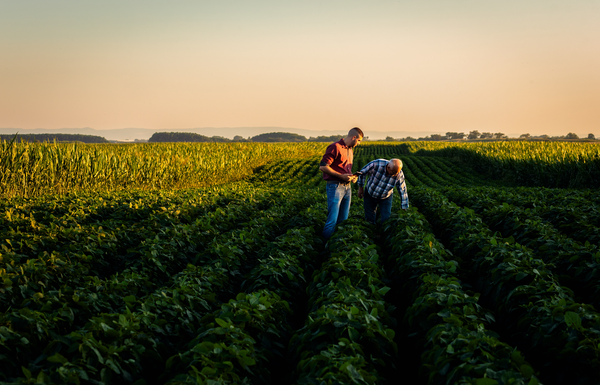
Globally, approximately one billion people depend on nature for their livelihoods through farming, fishing, and forestry. Food security and rural economies are deeply intertwined with thriving biodiversity. This partnership aims to transition food and agricultural systems towards models that conserve nature while safeguarding human wellbeing and societal benefits, directly supporting SDG 1 (No Poverty) and SDG 12 (Responsible Consumption and Production).
Key Areas of Collaboration
- Multifunctional Landscapes and Ecosystem Restoration: Scaling up restoration efforts to enhance biodiversity and ecosystem services.
- Sustainable Farming and Livestock Systems: Promoting agricultural practices that are environmentally sustainable and resilient.
- Climate Change Resilience and Mitigation: Developing strategies to adapt to and mitigate climate impacts, aligning with SDG 13.
- Water Resource Management: Ensuring sustainable use and conservation of water resources.
- Policy Advocacy and Biodiversity-Friendly Value Chains: Influencing policies and promoting supply chains that support biodiversity conservation.
- Knowledge Generation and Implementation of Rio Conventions: Supporting global environmental agreements and enhancing scientific understanding.
Statements from Leadership
- Dr. Grethel Aguilar, IUCN Director General: Emphasized that nature underpins food systems and human wellbeing. She highlighted the importance of nature-positive agriculture to ensure the coexistence of people, biodiversity, and food systems for future generations.
- Dr. Ismahane Elouafi, CGIAR Executive Managing Director: Stressed the importance of cooperation to address complex global challenges through integrated and holistic approaches to sustainable agriculture and biodiversity conservation.
Complementary Strengths and Strategic Vision
The partnership leverages CGIAR’s scientific leadership and field innovation alongside IUCN’s convening power, policy influence, and expert commissions. This synergy enhances the ability to bridge science, policy, and practice, enabling coordinated and scalable impact beyond individual projects.
At the 2025 World Conservation Congress, IUCN members approved a new 20-Year Strategic Vision, mandating support for transforming food and agricultural systems. This aligns with SDG 2 (Zero Hunger), SDG 13 (Climate Action), and SDG 15 (Life on Land), highlighting sustainable agriculture’s role in combating biodiversity loss and climate change.
Additionally, IUCN members adopted seventeen resolutions related to food and agricultural systems, demonstrating strong commitment to advancing related policies and practices. Notably, Resolution 002 calls for accelerating action towards nature-positive, sustainable agriculture and food systems.
About CGIAR
Established in 1971, CGIAR is the world’s largest global agricultural innovation network. It provides evidence-based policy advice, innovative solutions, and new tools to harness agriculture’s economic, environmental, and nutritional potential. CGIAR’s mission supports the transformation of food, land, and water systems amid the climate crisis, contributing to multiple SDGs including SDG 2 (Zero Hunger), SDG 6 (Clean Water and Sanitation), and SDG 13 (Climate Action).
1. Sustainable Development Goals (SDGs) Addressed or Connected
- SDG 2: Zero Hunger – The article emphasizes food security, sustainable agriculture, and food systems transformation.
- SDG 13: Climate Action – It highlights climate change resilience and mitigation efforts.
- SDG 15: Life on Land – Focus on biodiversity conservation, ecosystem restoration, and multifunctional landscapes.
- SDG 6: Clean Water and Sanitation – Water resource management is mentioned as a key area of cooperation.
- SDG 12: Responsible Consumption and Production – Biodiversity-friendly value chains and sustainable farming practices are discussed.
2. Specific Targets Under Those SDGs Identified
- SDG 2 Targets:
- 2.3 – By 2030, double the agricultural productivity and incomes of small-scale food producers.
- 2.4 – Ensure sustainable food production systems and implement resilient agricultural practices.
- SDG 13 Targets:
- 13.1 – Strengthen resilience and adaptive capacity to climate-related hazards and natural disasters.
- 13.2 – Integrate climate change measures into national policies, strategies, and planning.
- SDG 15 Targets:
- 15.1 – Ensure the conservation, restoration and sustainable use of terrestrial and inland freshwater ecosystems.
- 15.5 – Take urgent action to reduce the degradation of natural habitats, halt biodiversity loss.
- SDG 6 Targets:
- 6.4 – Substantially increase water-use efficiency across all sectors.
- 6.6 – Protect and restore water-related ecosystems.
- SDG 12 Targets:
- 12.2 – Achieve sustainable management and efficient use of natural resources.
- 12.8 – Ensure that people have relevant information and awareness for sustainable development and lifestyles.
3. Indicators Mentioned or Implied to Measure Progress
- Food Security and Agricultural Productivity – Indicators such as agricultural productivity per hectare, income levels of small-scale producers, and adoption rates of sustainable farming practices are implied.
- Biodiversity and Ecosystem Health – Indicators related to the extent of restored ecosystems, biodiversity indices, and rates of habitat degradation.
- Climate Resilience and Mitigation – Indicators measuring resilience to climate hazards, greenhouse gas emissions from agriculture, and integration of climate measures in policies.
- Water Resource Management – Indicators on water-use efficiency, quality and availability of water resources, and health of water-related ecosystems.
- Policy and Advocacy Impact – Progress in implementing biodiversity-friendly value chains and policy adoption rates.
4. Table of SDGs, Targets, and Indicators
| SDGs | Targets | Indicators |
|---|---|---|
| SDG 2: Zero Hunger |
|
|
| SDG 13: Climate Action |
|
|
| SDG 15: Life on Land |
|
|
| SDG 6: Clean Water and Sanitation |
|
|
| SDG 12: Responsible Consumption and Production |
|
|
Source: iucn.org
What is Your Reaction?
 Like
0
Like
0
 Dislike
0
Dislike
0
 Love
0
Love
0
 Funny
0
Funny
0
 Angry
0
Angry
0
 Sad
0
Sad
0
 Wow
0
Wow
0