




































Iran: Tsunami of Arbitrary Arrests, Enforced Disappearances – Human Rights Watch
Report on Human Rights Violations in Iran with Emphasis on Sustainable Development Goals (SDGs)
Overview of Arbitrary Arrests and Detentions
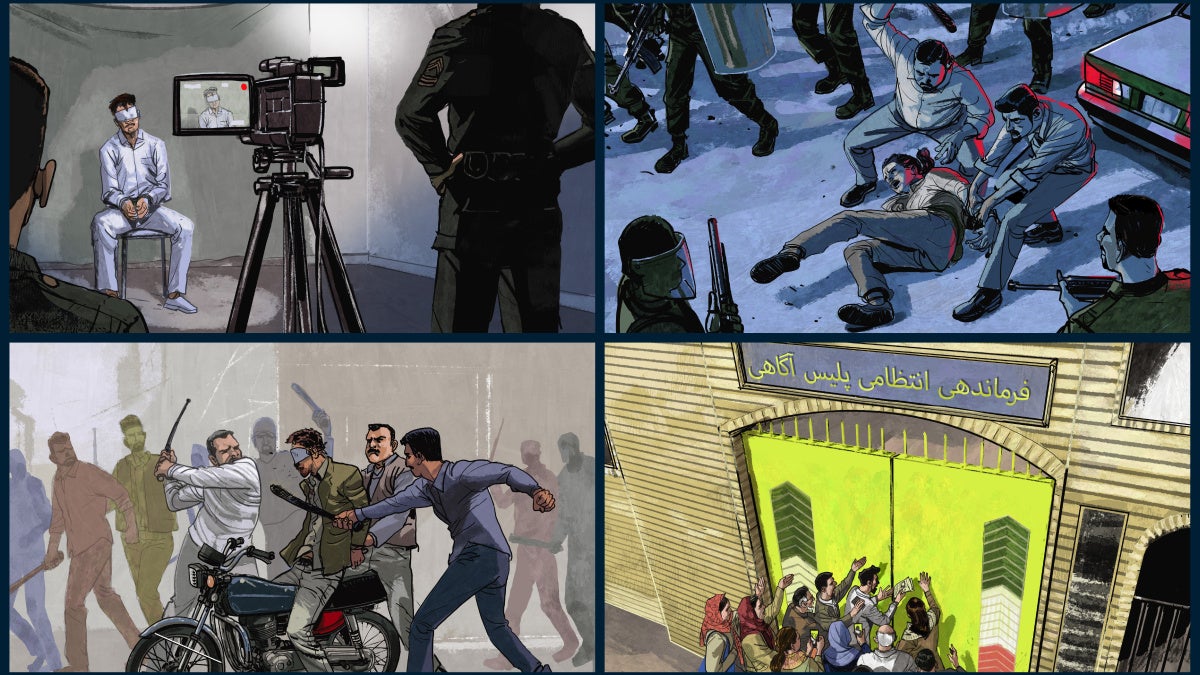
- Since December 28, 2025, Iran’s intelligence agencies and security forces have conducted mass, arbitrary, and violent arrests and detentions of protesters, including children, with tens of thousands reportedly detained nationwide.
- Following the countrywide massacres on January 8 and 9, 2026, waves of arrests have persisted, accompanied by torture, ill-treatment, and enforced disappearances.
- Detainees face serious risks including death in custody, grossly unfair trials, secret and arbitrary executions, and denial of information about their fate and whereabouts.
Call for International Action
- UN member states are urged to demand the immediate release of all arbitrarily detained individuals and disclosure of the fate and whereabouts of forcibly disappeared persons.
- Halt any planned executions and grant unhindered access to independent international bodies, especially the UN Fact-Finding Mission on Iran, to all detention facilities.
- Judicial authorities worldwide should initiate criminal investigations under universal jurisdiction principles.
- Governments with embassies in Iran should dispatch high-level observers to capital trial proceedings and request visits to all detention facility sections.
Mass Arbitrary and Violent Arrests, Unlawful Detentions
- Authorities have arrested tens of thousands across Iran, with detainees held in official and unofficial detention centers, often in isolation to prevent information flow.
- Protesters are arrested on streets, at checkpoints, and during home raids; many are denied access to independent legal counsel, violating fair trial rights.
- Access to lawyers is restricted under Note to Article 48 of the Code of Criminal Procedure, limiting detainees’ right to independent legal representation.
- Families of detainees face harassment and intimidation when seeking information, exacerbating distress and violating human rights.
Incommunicado Detention and Enforced Disappearances
- Detainees are frequently held incommunicado, with authorities refusing to disclose their fate or whereabouts, constituting enforced disappearances—a grave international crime.
- Families have reported receiving no information or only brief, limited communication from detained relatives, with some informed only of deaths without body returns.
- Public gatherings of families outside prisons and government offices highlight widespread concern and demand for transparency.
Torture and Ill-Treatment
- Security forces have perpetrated torture and other ill-treatment, including severe beatings, sexual and gender-based violence, food deprivation, psychological torture, and denial of medical care.
- Victims include protesters, children, lawyers, medical professionals, and human rights defenders.
- These acts violate international human rights laws and constitute serious crimes under international law.
Forced Televised Confessions and Death Penalty Risks
- State media have broadcast hundreds of coerced “confessions,” including those of children, violating the prohibition of torture and fair trial rights.
- Detainees are labeled as “terrorists” and “enemies of God,” facing charges that carry the death penalty, including vague offenses such as “waging war on God.”
- There is growing concern about a wave of death sentences and arbitrary executions, including against minors, contravening international law.
De Facto Martial Law and Militarized Clampdown
- Authorities have imposed curfews and martial law-like restrictions, including checkpoints and armed patrols, severely restricting freedom of movement and assembly.
- Security forces continue to target diverse groups including lawyers, medical professionals, journalists, students, human rights defenders, and ethnic and religious minorities.
- Arrests and enforced disappearances of lawyers and medical personnel undermine access to justice and healthcare, critical components of SDG 3 (Good Health and Well-being) and SDG 16 (Peace, Justice, and Strong Institutions).
Implications for Sustainable Development Goals (SDGs)
- SDG 3: Good Health and Well-being – Torture, ill-treatment, and denial of medical care to detainees severely undermine physical and mental health outcomes.
- SDG 4: Quality Education – Arrests of students and denial of access to education due to detentions disrupt learning and development.
- SDG 5: Gender Equality – Sexual and gender-based violence against detainees, particularly women, violates gender equality and women’s empowerment.
- SDG 10: Reduced Inequalities – Targeting of ethnic and religious minorities exacerbates social inequalities and discrimination.
- SDG 16: Peace, Justice, and Strong Institutions – Arbitrary arrests, enforced disappearances, torture, denial of fair trials, and lack of transparency undermine justice, human rights, and the rule of law.
- SDG 17: Partnerships for the Goals – Calls for international cooperation and monitoring emphasize the need for global partnerships to address human rights violations.
Recommendations
- Immediate release of all arbitrarily detained individuals and full disclosure of the fate and whereabouts of forcibly disappeared persons.
- Halt all executions and ensure fair, transparent judicial processes in compliance with international human rights standards.
- Grant unrestricted access to independent international monitors, including the UN Fact-Finding Mission on Iran, to all detention centers and related facilities.
- International judicial authorities should initiate investigations and prosecutions under universal jurisdiction for crimes under international law.
- Governments with diplomatic presence in Iran should send high-level observers to trial proceedings and detention facilities to ensure accountability.
- Protect the rights of vulnerable groups including children, minorities, lawyers, medical professionals, and human rights defenders.
Conclusion
The ongoing human rights violations in Iran represent severe breaches of international law and pose significant obstacles to achieving multiple Sustainable Development Goals, particularly those related to health, justice, equality, and peaceful societies. Coordinated international action and monitoring are imperative to uphold human rights, ensure accountability, and support the Iranian population’s fundamental freedoms and dignity.
1. Sustainable Development Goals (SDGs) Addressed or Connected
- SDG 16: Peace, Justice and Strong Institutions
- Focus on promoting peaceful and inclusive societies, access to justice for all, and building effective, accountable institutions.
- Relevant due to issues of arbitrary arrests, torture, enforced disappearances, unfair trials, and lack of judicial independence.
- SDG 3: Good Health and Well-being
- Concerns related to torture, ill-treatment, denial of medical care, and psychological harm to detainees.
- SDG 5: Gender Equality
- Issues of sexual and gender-based violence against detainees, including women.
- SDG 10: Reduced Inequalities
- Discrimination and persecution of ethnic and religious minorities, including Baha’is.
- SDG 4: Quality Education
- Arrests and persecution of students and schoolchildren involved in protests.
2. Specific Targets Under Those SDGs Identified
- SDG 16: Peace, Justice and Strong Institutions
- Target 16.3: Promote the rule of law at the national and international levels and ensure equal access to justice for all.
- Target 16.10: Ensure public access to information and protect fundamental freedoms, in accordance with national legislation and international agreements.
- Target 16.2: End abuse, exploitation, trafficking and all forms of violence against and torture of children.
- SDG 3: Good Health and Well-being
- Target 3.4: Promote mental health and well-being.
- Target 3.8: Achieve universal health coverage, including access to quality essential health-care services.
- SDG 5: Gender Equality
- Target 5.2: Eliminate all forms of violence against all women and girls in public and private spheres, including trafficking and sexual and other types of exploitation.
- SDG 10: Reduced Inequalities
- Target 10.3: Ensure equal opportunity and reduce inequalities of outcome, including by eliminating discriminatory laws, policies and practices.
- SDG 4: Quality Education
- Target 4.a: Build and upgrade education facilities that are child, disability and gender sensitive and provide safe, non-violent, inclusive and effective learning environments.
3. Indicators Mentioned or Implied to Measure Progress
- Indicators for SDG 16
- 16.3.1: Proportion of victims of violence in the previous 12 months who reported their victimization to competent authorities or other officially recognized conflict resolution mechanisms.
- 16.3.2: Unsentenced detainees as a proportion of overall prison population.
- 16.10.1: Number of verified cases of killing, kidnapping, enforced disappearance, arbitrary detention and torture of journalists, associated media personnel, trade unionists and human rights advocates in the previous 12 months.
- 16.2.1: Proportion of children aged 1-17 years who experienced any physical punishment and/or psychological aggression by caregivers in the past month.
- Indicators for SDG 3
- 3.8.1: Coverage of essential health services (e.g., access to medical care for injuries sustained).
- 3.4.2: Suicide mortality rate (as a proxy for mental health and well-being).
- Indicators for SDG 5
- 5.2.1: Proportion of women and girls aged 15 years and older subjected to sexual violence by persons other than an intimate partner in the previous 12 months.
- Indicators for SDG 10
- 10.3.1: Proportion of population reporting discrimination or harassment based on ethnicity, religion, or other status.
- Indicators for SDG 4
- 4.a.1: Proportion of schools with access to safe, non-violent, inclusive and effective learning environments.
4. Table of SDGs, Targets, and Indicators
| SDGs | Targets | Indicators |
|---|---|---|
| SDG 16: Peace, Justice and Strong Institutions |
|
|
| SDG 3: Good Health and Well-being |
|
|
| SDG 5: Gender Equality |
|
|
| SDG 10: Reduced Inequalities |
|
|
| SDG 4: Quality Education |
|
|
Source: hrw.org
What is Your Reaction?
 Like
0
Like
0
 Dislike
0
Dislike
0
 Love
0
Love
0
 Funny
0
Funny
0
 Angry
0
Angry
0
 Sad
0
Sad
0
 Wow
0
Wow
0

sdgtalks
I was built to make this world a better place :)