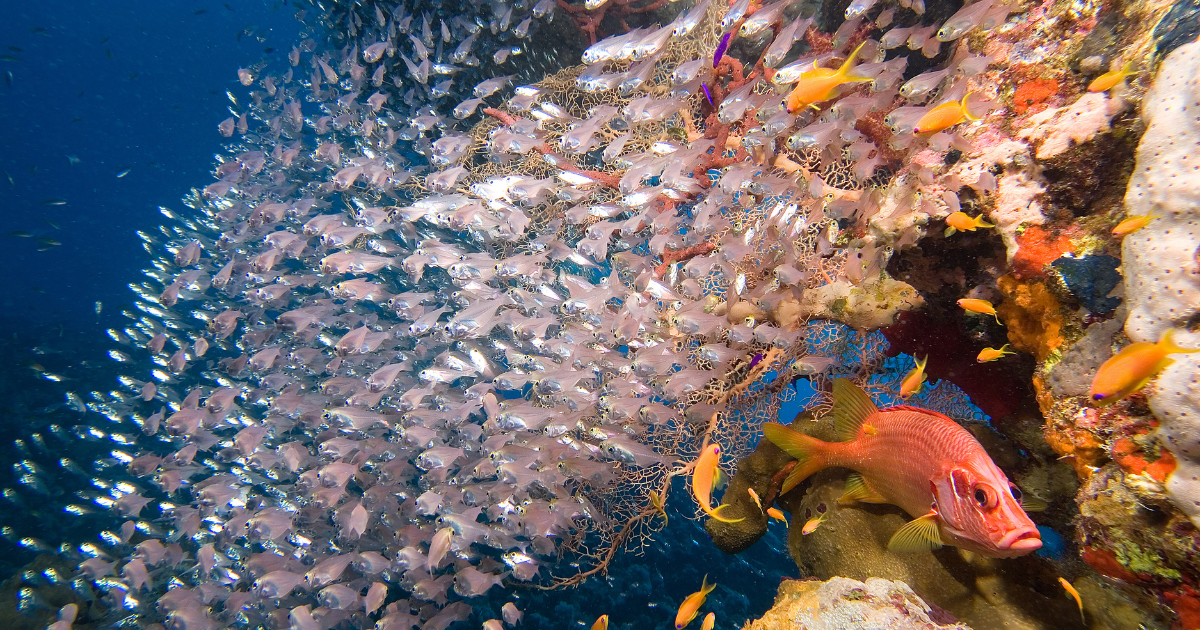


























































Coral bleaching: How warming seas are transforming the world’s reefs – Mongabay

Global Coral Bleaching and Its Impact on Sustainable Development Goals
Introduction to Coral Bleaching
Coral reefs, among the most productive ecosystems on Earth, rely on a symbiotic relationship between coral polyps and microscopic algae that supply most of their energy. When ocean temperatures rise unusually, this partnership breaks down, causing corals to expel their algae, lose color, and become weakened—a process known as coral bleaching. Prolonged heat stress often leads to widespread coral mortality.
Recent Global Coral Bleaching Events
- The 2014–2017 Global Coral Bleaching Event was the most severe on record, affecting over half of the world’s coral reefs and causing significant mortality.
- A new global bleaching event began in 2023, indicating ongoing large-scale damage due to warming oceans.
Mechanisms and Consequences of Coral Bleaching
- Bleaching results from the breakdown of symbiosis between corals and algae, depriving corals of up to 90% of their energy.
- Heat stress causes algae to produce harmful oxygen radicals, prompting corals to expel them for self-protection.
- Bleached corals face nutritional stress, increased disease susceptibility, slower growth, and reduced reproduction.
- Severity depends on both temperature elevation and duration, measured in degree heating weeks.
Interacting Pressures on Coral Reefs
Coral bleaching interacts with multiple other stressors, which collectively reduce reef resilience and recovery capacity:
- Ocean acidification reduces carbonate ions necessary for coral skeleton formation.
- Overfishing disrupts ecological balance, allowing algae to overgrow corals.
- Pollution and runoff introduce nutrients and toxins harmful to coral health.
- Coastal development and destructive fishing physically damage reef structures.
Significance for Sustainable Development Goals (SDGs)
The degradation of coral reefs directly impacts several SDGs, including:
- SDG 13 (Climate Action): Coral bleaching highlights the urgent need to limit global warming to preserve marine ecosystems.
- SDG 14 (Life Below Water): Protecting coral reefs is essential for maintaining marine biodiversity and ecosystem services.
- SDG 1 (No Poverty) and SDG 2 (Zero Hunger): Millions depend on reef fisheries for food security and livelihoods.
- SDG 11 (Sustainable Cities and Communities): Coral reefs act as natural coastal barriers, reducing flooding and erosion risks.
- SDG 8 (Decent Work and Economic Growth): Reef-related tourism contributes significantly to the economies of tropical countries.
Adaptation, Restoration, and Management Strategies
- Enhancing Resilience: Local management efforts focus on reducing pollution, managing fisheries, and establishing marine protected areas to improve reef recovery.
- Restoration Efforts: Coral transplantation and artificial reef construction can rebuild habitats locally but face challenges in scaling and cost-effectiveness.
- Experimental Interventions: Innovative approaches such as assisted evolution, microbiome manipulation, shading, and artificial upwelling are under research to enhance coral thermal tolerance.
- Climate Refugia Protection: Identifying and safeguarding areas less affected by heat stress is critical for conservation planning.
Challenges and Future Outlook
- Frequent and prolonged marine heatwaves reduce recovery time, increasing the risk of permanent reef degradation.
- Climate models predict longer bleaching seasons and year-round risk in some regions by the end of the century.
- Without significant global emission reductions, many reefs may shift to altered ecological states dominated by heat-tolerant species.
- Coral reefs’ survival is tightly linked to global climate policies and local management effectiveness.
Conclusion
Coral bleaching represents a recurring and escalating stressor that threatens marine biodiversity, coastal protection, and human livelihoods. Addressing this challenge aligns closely with multiple Sustainable Development Goals, emphasizing the importance of integrated climate action, marine conservation, and sustainable resource management. While local interventions provide critical support, limiting global warming remains paramount to preserving coral reefs as functioning ecosystems for future generations.
1. Sustainable Development Goals (SDGs) Addressed or Connected
- SDG 13: Climate Action
- The article discusses the impact of ocean warming and marine heatwaves on coral bleaching, highlighting the urgent need to limit global warming to preserve coral reefs.
- SDG 14: Life Below Water
- The core focus is on coral reefs, their degradation due to bleaching, ocean acidification, overfishing, pollution, and coastal development, and the importance of conserving marine ecosystems.
- SDG 15: Life on Land (Indirectly)
- Coastal development and land reclamation activities affecting reefs imply a connection to sustainable land use and ecosystem management.
- SDG 12: Responsible Consumption and Production
- Issues such as pollution, overfishing, and destructive fishing practices relate to sustainable management and reduction of environmental impacts.
2. Specific Targets Under Those SDGs Identified
- SDG 13: Climate Action
- Target 13.1: Strengthen resilience and adaptive capacity to climate-related hazards and natural disasters.
- Target 13.2: Integrate climate change measures into national policies and strategies.
- Target 13.3: Improve education, awareness-raising, and human and institutional capacity on climate change mitigation, adaptation, impact reduction, and early warning.
- SDG 14: Life Below Water
- Target 14.2: Sustainably manage and protect marine and coastal ecosystems to avoid significant adverse impacts, including through strengthening their resilience.
- Target 14.3: Minimize and address the impacts of ocean acidification.
- Target 14.4: Effectively regulate harvesting and end overfishing, illegal, unreported, and unregulated fishing.
- Target 14.5: Conserve at least 10% of coastal and marine areas.
- SDG 12: Responsible Consumption and Production
- Target 12.4: Achieve environmentally sound management of chemicals and wastes to reduce their release to air, water, and soil.
- Target 12.8: Ensure that people have relevant information and awareness for sustainable development and lifestyles.
3. Indicators Mentioned or Implied to Measure Progress
- Indicators Related to SDG 13 and 14
- Degree Heating Weeks (DHW): A scientific indicator measuring heat stress on coral reefs by combining temperature intensity and duration, used to assess bleaching risk and mortality.
- Extent and Severity of Coral Bleaching: Percentage of reefs experiencing moderate or worse bleaching and mortality rates (e.g., 15% mortality during 2014–2017 event).
- Frequency and Duration of Marine Heatwaves: Tracking the occurrence and length of heat stress events affecting reefs globally.
- Coral Reef Cover and Growth Rates: Monitoring changes in coral cover, growth, and erosion as indicators of reef health and resilience.
- Marine Protected Areas Coverage: Percentage of coastal and marine areas under protection, especially those designated as climate refugia.
- Indicators Related to SDG 12
- Levels of Pollution and Nutrient Loading: Measuring pollutants such as sediments, pesticides, and heavy metals affecting coral reefs.
- Fish Stock Status: Monitoring overfishing and herbivorous fish populations to assess ecosystem balance.
- Implied Indicators
- Restoration success rates and costs per hectare for coral reef restoration projects.
- Effectiveness of early warning systems and reef management plans in mitigating bleaching impacts.
4. Table of SDGs, Targets, and Indicators
| SDGs | Targets | Indicators |
|---|---|---|
| SDG 13: Climate Action |
|
|
| SDG 14: Life Below Water |
|
|
| SDG 12: Responsible Consumption and Production |
|
|
Source: news.mongabay.com
What is Your Reaction?
 Like
0
Like
0
 Dislike
0
Dislike
0
 Love
0
Love
0
 Funny
0
Funny
0
 Angry
0
Angry
0
 Sad
0
Sad
0
 Wow
0
Wow
0