






















































Germany should accelerate its renewable energy transition – Nature

Report on Germany’s Renewable Energy Transition and Alignment with Sustainable Development Goals
Executive Summary
This report analyzes Germany’s energy transition, the Energiewende, evaluating its progress, challenges, and policy directions through the lens of the United Nations’ Sustainable Development Goals (SDGs). Germany’s strategy, centered on variable renewables and widespread electrification, is critical for achieving its 2045 climate neutrality target. This aligns directly with SDG 13 (Climate Action) and SDG 7 (Affordable and Clean Energy). However, acceleration is required across key sectors. The report argues for consistent policy commitments to proven technologies like wind power, solar power, heat pumps, and electric vehicles to ensure these goals are met and to support broader objectives, including SDG 9 (Industry, Innovation, and Infrastructure) and SDG 11 (Sustainable Cities and Communities).
1. Introduction: The Energiewende and its SDG Context
As the European Union’s largest greenhouse gas emitter, Germany’s commitment to climate neutrality by 2045 is a cornerstone of its contribution to global climate efforts under SDG 13. The Energiewende is the primary national strategy to achieve this, focusing on two pillars:
- Transition to Renewables: A shift towards variable renewable energy sources, primarily wind and solar, to meet SDG 7. This is underscored by the phase-out of nuclear power and a planned exit from coal by 2038.
- Sectoral Electrification: The decarbonization of heating, transport, and industry through widespread electrification, which is essential for creating sustainable infrastructure and communities (SDG 9 and SDG 11).
Germany has made significant strides, increasing the share of renewables in electricity consumption from 6% in 2000 to 54% in 2024. The Renewable Energy Sources Act mandates that renewables cover at least 80% of gross electricity demand by 2030. However, recent policy shifts prioritizing short-term cost reduction risk undermining these ambitious targets and the long-term economic and environmental benefits associated with achieving the SDGs.
2. Progress in Renewable Energy Expansion (SDG 7)
2.1 Solar Photovoltaics
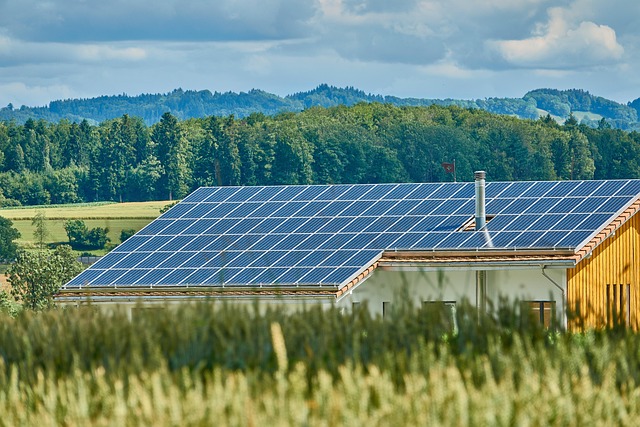
The expansion of solar PV capacity is a notable success, with record additions in 2023 and 2024. This growth, driven mainly by small rooftop systems, demonstrates strong public engagement and contributes directly to Target 7.2 of SDG 7 (increase substantially the share of renewable energy). The current trajectory suggests Germany is on track to meet its solar energy goals.
2.2 Wind Power (Onshore and Offshore)
Progress in wind power has been slower, lagging behind the required pace to meet 2030 targets. However, recent policy measures to accelerate planning and approval processes are showing positive results.
- Onshore Wind: Record-level approvals in 2024 and 2025 indicate a future acceleration in deployment, which is vital for a stable, clean energy supply.
- Offshore Wind: Despite longer lead times, successful tenders in 2023 and 2024 have laid the groundwork for substantial future growth, supporting the development of resilient and sustainable infrastructure as per SDG 9.
Maintaining this momentum is crucial for ensuring that wind technology forms the backbone of Germany’s clean energy future, in line with SDG 7.
3. Challenges in Electrification and Sector Coupling (SDG 11 & SDG 13)
While progress in renewable electricity generation is promising, the electrification of end-use sectors—a process known as sector coupling—is lagging. This stagnation hinders decarbonization in transport and heating, jeopardizing the achievement of SDG 11 and SDG 13.
- Heat Pumps: The target of six million installed heat pumps by 2030 is far from being met. Regulatory uncertainty and a lack of policy acceleration are significant barriers to transitioning residential heating away from fossil fuels.
- Electric Vehicles (EVs): With only 1.9 million battery-electric cars registered, Germany is not on track to meet its goal of 15 million by 2030. The slow uptake delays the reduction of transport emissions and the improvement of urban air quality, key components of SDG 11.
- Green Hydrogen: The development of electrolysis capacity for green hydrogen is in its nascent stages, with less than 2% of the 2030 target currently operational. This technology is critical for decarbonizing heavy industry, a key aspect of SDG 9.
4. System Integration and Infrastructure Challenges (SDG 9)
To support a high share of variable renewables and widespread electrification, Germany must address significant infrastructure and market design challenges, directly related to building resilient infrastructure under SDG 9.
4.1 Grid Integration and Expansion
The existing grid infrastructure was not designed for decentralized renewable energy sources. Key challenges include:
- Inefficient integration of small-scale rooftop PV systems into markets.
- The need for substantial investment in transmission and distribution grids to absorb increasing renewable generation.
- Optimizing the location of new consumers, such as electrolyzers, to minimize grid expansion costs.
4.2 Flexible Consumption and Security of Supply
Ensuring a resilient and reliable energy system requires enhancing flexibility and guaranteeing security of supply. This involves:
- Implementing dynamic pricing and smart metering to incentivize consumers to align their electricity use with supply.
- Developing capacity mechanisms that support not only conventional power plants but also storage and demand-side flexibility.
- Investing in long-duration storage, such as hydrogen, to ensure resilience during prolonged periods of low renewable energy generation.
5. Policy Recommendations and Conclusion
To accelerate its energy transition and fully align with its SDG commitments, Germany must maintain a clear and consistent policy course. Slowing the transition would jeopardize long-term climate targets, economic competitiveness, and energy security.
5.1 Uphold Ambitious Renewable Energy Targets
A firm political consensus is needed to capitalize on the cost-effectiveness and environmental co-benefits of wind and solar power. This commitment provides investment security and reinforces Germany’s leadership in achieving SDG 7 and SDG 13.
5.2 Provide Technology Clarity for Sector Coupling
Rather than maintaining “technology neutrality,” which creates uncertainty, policymakers should provide a clear focus on proven decarbonization technologies like heat pumps and battery-electric vehicles. This clarity will stimulate investment and accelerate the transition to sustainable transport and housing (SDG 11).
5.3 Foster Research and International Cooperation
Continued research across multiple disciplines is essential for tackling integration challenges. Furthermore, by successfully implementing its transition, Germany can offer valuable lessons and foster international cooperation, contributing to SDG 17 (Partnerships for the Goals). A successful German Energiewende can create a virtuous cycle of technological, regulatory, and social learning globally.
Analysis of Sustainable Development Goals in the Article
1. Which SDGs are addressed or connected to the issues highlighted in the article?
The article on Germany’s energy transition (Energiewende) addresses several Sustainable Development Goals (SDGs) by focusing on the shift from fossil fuels to renewable energy sources to achieve climate neutrality. The primary SDGs connected to the issues are:
- SDG 7: Affordable and Clean Energy: This is the most central SDG in the article. The entire text revolves around Germany’s efforts to increase the share of renewable energy (wind and solar), promote clean technologies like heat pumps and electric cars, and ensure a stable and affordable energy supply for all sectors.
- SDG 13: Climate Action: The main driver for Germany’s energy transition, as stated in the article, is to combat climate change. The article explicitly mentions Germany’s role as a major greenhouse gas emitter and its ambitious target to “achieve climate neutrality by 2045.” The reduction of emissions is a core theme.
- SDG 9: Industry, Innovation, and Infrastructure: The article discusses the critical need for infrastructure development to support the energy transition. This includes expanding and modernizing the electricity grid, building a network of charging points for electric vehicles, and developing infrastructure for green hydrogen, such as pipelines and storage.
- SDG 11: Sustainable Cities and Communities: The push for widespread adoption of “electric cars” and “heat pumps” in the residential sector directly contributes to making cities more sustainable. These technologies help reduce urban air pollution and decarbonize transport and heating, which are major sources of emissions in populated areas.
2. What specific targets under those SDGs can be identified based on the article’s content?
Based on the article’s discussion of Germany’s policies and goals, several specific SDG targets can be identified:
- Target 7.2: By 2030, increase substantially the share of renewable energy in the global energy mix.
- The article is fundamentally about Germany’s strategy to achieve this. It states that the “share of renewables in German electricity consumption has steadily increased from 6% in 2000 to 54% in 2024” and highlights the legal target that “renewables have to cover at least 80% of gross electricity demand by 2030.”
- Target 13.2: Integrate climate change measures into national policies, strategies and planning.
- Germany’s Energiewende, underpinned by the “Renewable Energy Sources Act,” is a clear example of integrating climate action into national policy. The article’s central theme is the country’s “ambitious transition targets to achieve climate neutrality by 2045,” which represents a core national strategy.
- Target 9.1: Develop quality, reliable, sustainable and resilient infrastructure…
- The article emphasizes the need for infrastructure to support the energy transition. It points to the necessity of “expanding the grid to remove bottlenecks,” developing a “core network of hydrogen pipelines,” and ensuring the “security of supply” through resilient capacity. The need for public charging points for electric cars also falls under this target.
- Target 9.4: By 2030, upgrade infrastructure and retrofit industries to make them sustainable… with greater adoption of clean and environmentally sound technologies…
- The article discusses the “subsidies for converting selected energy-intensive industrial processes to hydrogen” and the goal to build “10 GW electrolysis capacity to produce green hydrogen targeted for 2030,” which directly relates to retrofitting industries with cleaner technology.
- Target 11.2: By 2030, provide access to safe, affordable, accessible and sustainable transport systems for all…
- The focus on achieving a target of “15 million electric cars by 2030” and addressing the “lack of public charging points” is a direct effort to create a more sustainable transport system by moving away from fossil fuel-powered vehicles.
3. Are there any indicators mentioned or implied in the article that can be used to measure progress towards the identified targets?
Yes, the article provides numerous quantitative indicators that can be used to measure progress towards the identified targets. These are either existing metrics or specific government goals.
- For Target 7.2 (Increase renewable energy share):
- Indicator: The share of renewables in electricity consumption. The article provides data points: “from 6% in 2000 to 54% in 2024.”
- Indicator: The national target for renewable electricity share. The article specifies this as “at least 80% of gross electricity demand by 2030.”
- Indicator: Installed capacity of renewable energy technologies. The article mentions specific targets for offshore wind (“a grid connection capacity of 30 GW by 2030”) and green hydrogen (“10 GW electrolysis capacity… targeted for 2030”).
- For Target 13.2 (Integrate climate measures):
- Indicator: Reduction in greenhouse gas emissions. The article states that “greenhouse gas emissions in the energy sector have come down by 53%.”
- Indicator: National climate neutrality goal. The article clearly states Germany’s target to “achieve climate neutrality by 2045.”
- For Targets 9.1, 9.4, and 11.2 (Infrastructure and Sustainable Technology):
- Indicator: Number of electric vehicles. The article mentions the current stock of “1.9 million pure battery-electric cars” against a “target of 15 million electric cars by 2030.”
- Indicator: Number of clean heating systems. The article cites the “target of six million heat pumps installed by 2030” compared to the “current overall number… of around two million.”
- Indicator: Availability of charging infrastructure. The article implies this by mentioning the ratio of “electric cars per public fast-charging point has fallen from around 68… to around 44.”
4. Table of SDGs, Targets, and Indicators
| SDGs | Targets | Indicators |
|---|---|---|
| SDG 7: Affordable and Clean Energy | 7.2: Increase substantially the share of renewable energy in the global energy mix. |
|
| SDG 13: Climate Action | 13.2: Integrate climate change measures into national policies, strategies and planning. |
|
| SDG 9: Industry, Innovation, and Infrastructure | 9.1: Develop quality, reliable, sustainable and resilient infrastructure.
9.4: Upgrade infrastructure and retrofit industries to make them sustainable. |
|
| SDG 11: Sustainable Cities and Communities | 11.2: Provide access to safe, affordable, accessible and sustainable transport systems for all. |
|
Source: nature.com
What is Your Reaction?
 Like
0
Like
0
 Dislike
0
Dislike
0
 Love
0
Love
0
 Funny
0
Funny
0
 Angry
0
Angry
0
 Sad
0
Sad
0
 Wow
0
Wow
0