




































Despite Trump, Renewable Energy keeps Surging – Informed Comment
Global Surge in Renewable Energy Amid Policy Challenges
Introduction
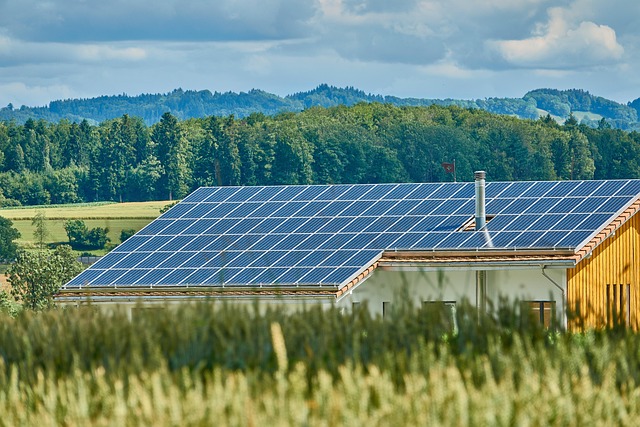
Despite political efforts to undermine renewable energy, solar and wind power usage is experiencing significant growth worldwide, including in the United States. This trend aligns closely with the United Nations Sustainable Development Goals (SDGs), particularly SDG 7 (Affordable and Clean Energy), SDG 13 (Climate Action), and SDG 9 (Industry, Innovation, and Infrastructure).
Global Growth of Solar and Wind Energy
- Worldwide Expansion: Solar and wind electricity generation grew by 109% globally last year, surpassing coal as a primary energy source for the first time, according to Ember Energy Research.
- Leading Countries: China led the addition of over 600 gigawatts of solar capacity, followed by India, Brazil, Vietnam, the European Union, Kenya, and Mozambique.
- Africa’s Leap: African nations are heavily investing in solar and wind energy to electrify new regions and industries, effectively bypassing fossil fuel dependency and supporting SDG 7 and SDG 8 (Decent Work and Economic Growth).
Investment Trends in Clean Energy
- Global investment in clean energy, including storage, grid upgrades, efficiency, and electric vehicles, reached $2.2 trillion by the end of 2024, doubling investments in fossil fuel projects ($1.1 trillion), as reported by the International Energy Agency.
- This financial commitment supports SDG 9 by fostering innovation and infrastructure development.
Renewable Energy Progress in the United States
- Renewable electricity generation increased substantially, with solar up 37% and wind up 12% in 2025.
- Renewables accounted for 24% of U.S. electricity generation last year, with renewables surpassing fossil fuels for the first time in March 2025.
- Solar energy contributed approximately 85% of all new electricity added to the U.S. grid.
Economic Drivers of Renewable Energy Adoption
- The cost of utility-scale solar generation dropped by 85% between 2010 and 2020, with further price reductions of 12% in 2023 and continued decreases in 2024.
- Solar and wind power generation costs now range between 4 to 8 cents per kilowatt-hour, cheaper than natural gas (13.8 to 26 cents) and coal.
- Battery storage integration, which doubled in deployment in the U.S. during 2024, enhances reliability and cost-effectiveness, with costs ranging from 5 to 13 cents per kilowatt-hour.
Policy and Market Dynamics
- Despite the rollback of federal tax incentives and permit restrictions on new projects in the U.S., renewable energy adoption continues, with 73% of new solar capacity installed in Republican-led states.
- States such as Iowa and Texas demonstrate high renewable energy penetration, with Iowa generating 60% of its electricity from renewables and Texas reaching 40% in early 2024.
- Legal challenges have mitigated some federal attempts to block offshore wind projects, though wind adoption is expected to decline in 2026 due to permit revocations.
Global Energy Transition and Sustainable Development
- The rapid pace of renewable energy deployment worldwide is a critical factor in achieving SDG 7 (Affordable and Clean Energy) and SDG 13 (Climate Action).
- Africa’s energy leap, characterized by bypassing fossil fuels and embracing renewables, supports economic development (SDG 8) and innovation (SDG 9).
- In 2025, 18 African countries added over 100 megawatts of solar power, with the continent adding approximately 66.9 gigawatts of renewable capacity.
- At least 10 African countries generate more than 90% of their electricity from renewable sources, exemplifying progress toward sustainable energy goals.
Conclusion
The global surge in renewable energy, driven by economic viability and technological advancements, underscores the critical role of clean energy in sustainable development. Continued investment and supportive policies are essential to maintain momentum toward the Sustainable Development Goals, particularly in combating climate change and promoting inclusive economic growth.
References
- Yale Climate Connections
- Ember Energy Research
- International Energy Agency
- U.S. Energy Information Administration
- PV Magazine
1. Sustainable Development Goals (SDGs) Addressed or Connected
- SDG 7: Affordable and Clean Energy
- The article highlights the surge in solar and wind energy globally and in the U.S., emphasizing the transition to renewable energy sources.
- It discusses the reduction in costs of renewable energy and increased investments in clean energy technologies.
- SDG 13: Climate Action
- The article addresses climate change mitigation through the adoption of renewable energy, reducing reliance on fossil fuels.
- It mentions global efforts to decarbonize energy sectors and the importance of clean energy in climate solutions.
- SDG 9: Industry, Innovation, and Infrastructure
- Investment in grid upgrades, battery storage, and clean energy infrastructure is discussed.
- The article notes technological advancements and innovation in renewable energy deployment.
- SDG 8: Decent Work and Economic Growth
- Economic aspects such as cost reductions in renewable energy and job creation in solar and wind sectors are implied.
- The article mentions economic competitiveness and private investment related to clean energy.
2. Specific Targets Under Identified SDGs
- SDG 7: Affordable and Clean Energy
- Target 7.2: Increase substantially the share of renewable energy in the global energy mix.
- Target 7.3: Double the global rate of improvement in energy efficiency.
- SDG 13: Climate Action
- Target 13.2: Integrate climate change measures into national policies, strategies, and planning.
- SDG 9: Industry, Innovation, and Infrastructure
- Target 9.4: Upgrade infrastructure and retrofit industries to make them sustainable, with increased resource-use efficiency and greater adoption of clean and environmentally sound technologies.
- SDG 8: Decent Work and Economic Growth
- Target 8.2: Achieve higher levels of economic productivity through diversification, technological upgrading and innovation.
3. Indicators Mentioned or Implied to Measure Progress
- Renewable Energy Capacity and Generation
- Growth rates of solar and wind electricity generation globally and in the U.S. (e.g., 109% worldwide growth, 37% solar growth in U.S.).
- Share of renewables in total electricity generation (e.g., 24% in U.S., over 50% in March 2025).
- Installed capacity of solar and wind power (e.g., more than 600 gigawatts solar added globally).
- Investment in Clean Energy
- Amount invested in new clean energy projects ($2.2 trillion in 2024).
- Comparison of investments in clean energy versus fossil fuels.
- Cost of Energy Generation
- Levelized cost of electricity for solar, wind, natural gas, and coal (e.g., solar costs between 4-8 cents/kWh).
- Battery Storage Deployment
- Doubling of battery storage deployment in the U.S. during 2024.
- Electricity Generation Mix by Source
- Percentage of electricity generated from renewables in specific states (e.g., Iowa 60%, Texas 40%).
4. Table: SDGs, Targets and Indicators
| SDGs | Targets | Indicators |
|---|---|---|
| SDG 7: Affordable and Clean Energy |
|
|
| SDG 13: Climate Action |
|
|
| SDG 9: Industry, Innovation, and Infrastructure |
|
|
| SDG 8: Decent Work and Economic Growth |
|
|
Source: juancole.com
What is Your Reaction?
 Like
1
Like
1
 Dislike
0
Dislike
0
 Love
0
Love
0
 Funny
0
Funny
0
 Angry
0
Angry
0
 Sad
0
Sad
0
 Wow
1
Wow
1