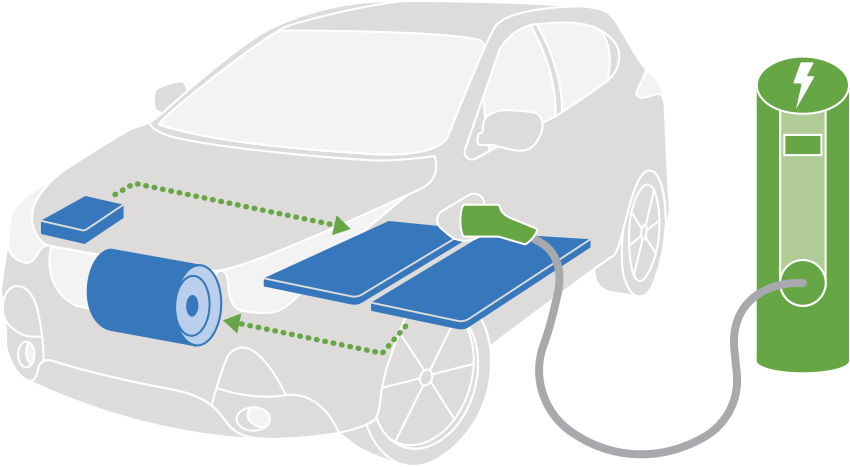

















How to protect your electric vehicle battery during cold weather – ksat.com

Impact of Cold Weather on Electric Vehicle Battery Performance
Introduction
As cold weather persists, understanding the effects of low temperatures on electric vehicle (EV) batteries is crucial. This report highlights key insights from Michael Lopez, Service Manager at Vara Chevrolet, focusing on battery efficiency, charging practices, and safety considerations in freezing conditions. Emphasis is placed on the relevance of these factors to the Sustainable Development Goals (SDGs), particularly SDG 7 (Affordable and Clean Energy), SDG 11 (Sustainable Cities and Communities), and SDG 13 (Climate Action).
Effects of Cold Weather on Battery Efficiency
- Cold temperatures reduce battery efficiency, leading to decreased vehicle performance.
- Freezing conditions can reduce driving range on a single charge by 16% to 46%.
- Increased energy demand during cold weather further impacts battery operation.
Recommended Charging Practices
- For short trips, maintain battery charge at a minimum of 30%.
- For longer journeys in cold weather, ensure battery charge is between 80% and 100%.
- Account for extended charging times in freezing temperatures, as rapid charging may be limited.
Energy Consumption Considerations
- Using the defroster and cabin heating accelerates battery drain during cold weather.
- Unlike gasoline vehicles, EVs do not require idling to warm up before driving; they are ready to operate immediately after starting.
Safety and Monitoring
- Charging EVs in wet or icy conditions is safe due to waterproof and insulated charging designs.
- Utilizing vehicle apps to monitor charging status and battery health is recommended for optimal performance.
Alignment with Sustainable Development Goals
- SDG 7 (Affordable and Clean Energy): Promoting efficient use and management of clean energy in EVs supports sustainable energy consumption.
- SDG 11 (Sustainable Cities and Communities): Enhancing EV reliability in all weather conditions encourages adoption of clean transportation, reducing urban air pollution.
- SDG 13 (Climate Action): Understanding and mitigating cold weather impacts on EVs contributes to climate resilience and reduction of greenhouse gas emissions.
Conclusion
Effective management of electric vehicle batteries during cold weather is essential to maximize performance and support global sustainability efforts. Following recommended charging practices and safety guidelines ensures that EV users contribute positively to the achievement of the Sustainable Development Goals.
1. Sustainable Development Goals (SDGs) Addressed or Connected
- SDG 7: Affordable and Clean Energy
- The article discusses electric vehicle (EV) batteries and charging, which relates to clean energy usage and energy efficiency.
- SDG 11: Sustainable Cities and Communities
- Electric vehicles contribute to sustainable urban transport by reducing emissions.
- SDG 13: Climate Action
- Promoting electric vehicles supports climate action by reducing greenhouse gas emissions from transportation.
2. Specific Targets Under Those SDGs Identified
- SDG 7 – Target 7.3: By 2030, double the global rate of improvement in energy efficiency.
- The article’s focus on efficient battery use and charging practices in cold weather aligns with improving energy efficiency.
- SDG 11 – Target 11.2: By 2030, provide access to safe, affordable, accessible and sustainable transport systems for all.
- Encouraging the use of electric vehicles supports sustainable transport systems.
- SDG 13 – Target 13.2: Integrate climate change measures into policies and planning.
- Promoting EVs and understanding their performance in cold weather supports climate mitigation strategies.
3. Indicators Mentioned or Implied to Measure Progress
- Indicator for SDG 7.3: Energy intensity measured in terms of primary energy and GDP.
- Battery efficiency and energy consumption during cold weather can be used as a proxy to measure improvements in energy efficiency.
- Indicator for SDG 11.2: Proportion of population that has convenient access to public transport, or sustainable transport modes.
- Electric vehicle adoption rates and usage statistics can indicate progress toward sustainable transport.
- Indicator for SDG 13.2: Number of countries that have integrated climate change measures into national policies.
- Tracking policies promoting EVs and infrastructure development, including safe charging in various weather conditions, reflects progress.
4. Table: SDGs, Targets and Indicators
| SDGs | Targets | Indicators |
|---|---|---|
| SDG 7: Affordable and Clean Energy | 7.3: Double the global rate of improvement in energy efficiency by 2030 | Energy intensity measured by primary energy consumption per unit of GDP; Battery efficiency and energy consumption in EVs during cold weather |
| SDG 11: Sustainable Cities and Communities | 11.2: Provide access to safe, affordable, accessible and sustainable transport systems by 2030 | Electric vehicle adoption rates; Proportion of population using sustainable transport modes |
| SDG 13: Climate Action | 13.2: Integrate climate change measures into national policies and planning | Number of countries with policies promoting EVs and sustainable transport infrastructure; Monitoring EV charging safety and efficiency in extreme weather |
Source: ksat.com
What is Your Reaction?
 Like
0
Like
0
 Dislike
0
Dislike
0
 Love
0
Love
0
 Funny
0
Funny
0
 Angry
0
Angry
0
 Sad
0
Sad
0
 Wow
0
Wow
0