

























































The cost of energy efficiency is going up as clean energy tax credits are set to expire – Houston Public Media

Report on the Impact of Expiring Energy Efficiency Tax Credits and Sustainable Development Goals
Introduction
Recent developments in federal tax credits for energy-efficient home improvements and renewable energy installations have significant implications for sustainable development, particularly in the context of the United Nations Sustainable Development Goals (SDGs). This report examines the expiration of key tax credits, their effects on energy efficiency adoption, and potential strategies to sustain progress toward clean energy and climate action.
Case Study: Energy Efficiency in Residential Homes
Joshua Rhodes, a research scientist at the University of Texas, experienced a 20% to 30% reduction in electricity bills after installing an energy-efficient heat pump during a home remodel in Austin. This improvement aligns with SDG 7 (Affordable and Clean Energy) by promoting energy efficiency and reducing energy consumption.
- The heat pump demonstrated higher efficiency, especially during winter months.
- Rhodes benefited from the federal Energy Efficient Home Improvement Credit, which partially reimbursed the cost.
Expiration of Federal Tax Credits
Two major federal tax credits are set to expire on December 31:
- Energy Efficient Home Improvement Credit: Supports homeowners in upgrading to energy-efficient appliances and systems.
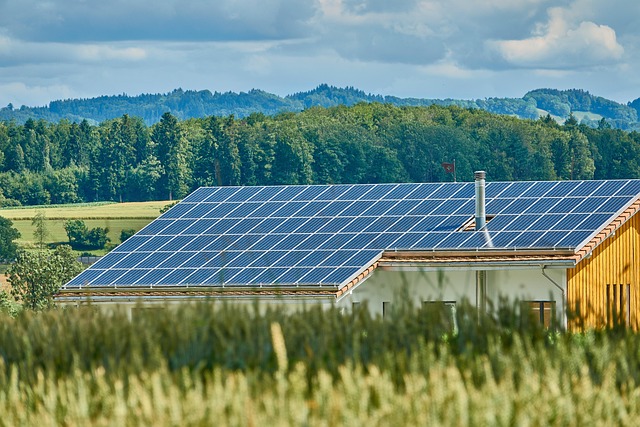
- Residential Clean Energy Credit: Assists homeowners in installing renewable energy technologies such as solar panels and geothermal heat pumps.
Post-expiration, property owners making such improvements will no longer qualify for these financial incentives. This policy change is part of the “One Big Beautiful Bill Act” passed by the Republican-controlled Congress, which phases out these credits.
Implications for Sustainable Development Goals
- SDG 7 (Affordable and Clean Energy): The removal of tax credits may reduce the adoption of energy-efficient and renewable technologies, slowing progress toward universal access to clean energy.
- SDG 11 (Sustainable Cities and Communities): Energy-efficient home improvements contribute to sustainable urban living by reducing emissions and energy demand.
- SDG 13 (Climate Action): Incentives for renewable energy installations are critical for mitigating climate change through reduced greenhouse gas emissions.
Expert Perspectives on the Expiring Credits
Joshua Rhodes expressed concern that the expiration of tax credits could decrease the use of advanced energy-efficient devices, which often have higher upfront costs compared to standard equipment.
Karl Rábago, a consultant and former commissioner for the Public Utility Commission of Texas, highlighted that the expiration represents a setback in clean energy investments, potentially increasing the difficulty and cost of maintaining reliable electricity in Texas.
Strategies to Sustain Clean Energy Progress
Despite the challenges posed by the expiration of tax credits, experts suggest several approaches to continue advancing clean energy adoption:
- Creative Financing: Developing innovative financing models to make energy-efficient technologies more affordable for consumers.
- Community Solar Projects: Building mini solar farms within neighborhoods to increase access to renewable energy.
- Policy Advocacy: Encouraging restoration or introduction of supportive policies such as the Solar for All program to promote equitable access to clean energy.
Conclusion
The expiration of federal tax credits for energy-efficient home improvements and renewable energy installations poses challenges to achieving key Sustainable Development Goals related to clean energy, sustainable communities, and climate action. However, through innovative financing, community initiatives, and continued policy support, stakeholders can mitigate these impacts and sustain progress toward a more sustainable and resilient energy future.
1. Sustainable Development Goals (SDGs) Addressed or Connected
- SDG 7: Affordable and Clean Energy
- The article discusses energy-efficient heat pumps, solar panels, and renewable energy technologies, which are directly related to ensuring access to affordable, reliable, sustainable, and modern energy for all.
- SDG 13: Climate Action
- The focus on clean energy and reducing electricity bills through efficient technologies contributes to combating climate change and its impacts.
- SDG 11: Sustainable Cities and Communities
- The mention of building mini solar farms in neighborhoods and making clean energy more accessible supports sustainable urban development.
2. Specific Targets Under Those SDGs
- SDG 7: Affordable and Clean Energy
- Target 7.2: Increase substantially the share of renewable energy in the global energy mix.
- Target 7.3: Double the global rate of improvement in energy efficiency.
- SDG 13: Climate Action
- Target 13.2: Integrate climate change measures into national policies, strategies, and planning.
- SDG 11: Sustainable Cities and Communities
- Target 11.6: Reduce the adverse per capita environmental impact of cities, including by paying special attention to air quality and municipal and other waste management.
3. Indicators Mentioned or Implied to Measure Progress
- Energy Efficiency Improvements
- Reduction in electricity bills (20% to 30% decrease) after installing energy-efficient heat pumps indicates progress towards energy efficiency targets.
- Adoption of Renewable Energy Technologies
- Number or proportion of homes installing solar panels, geothermal heat pumps, or other renewable energy technologies, supported by tax credits.
- Policy and Financial Incentives
- Existence and utilization of tax credits such as the Energy Efficient Home Improvement Credit and Residential Clean Energy Credit as indicators of policy support for clean energy adoption.
- Access and Affordability
- Measures of accessibility to clean energy technologies, such as availability of creative financing or community solar projects (mini solar farms).
4. Table: SDGs, Targets and Indicators
| SDGs | Targets | Indicators |
|---|---|---|
| SDG 7: Affordable and Clean Energy |
|
|
| SDG 13: Climate Action |
|
|
| SDG 11: Sustainable Cities and Communities |
|
|
Source: houstonpublicmedia.org
What is Your Reaction?
 Like
0
Like
0
 Dislike
0
Dislike
0
 Love
0
Love
0
 Funny
0
Funny
0
 Angry
0
Angry
0
 Sad
0
Sad
0
 Wow
0
Wow
0