



























































India’s Tourism Growth Will Set the Stage for an Epic Job Surge, Turning Destinations into Job Powerhouses Across the Country by 2036 – Travel And Tour World
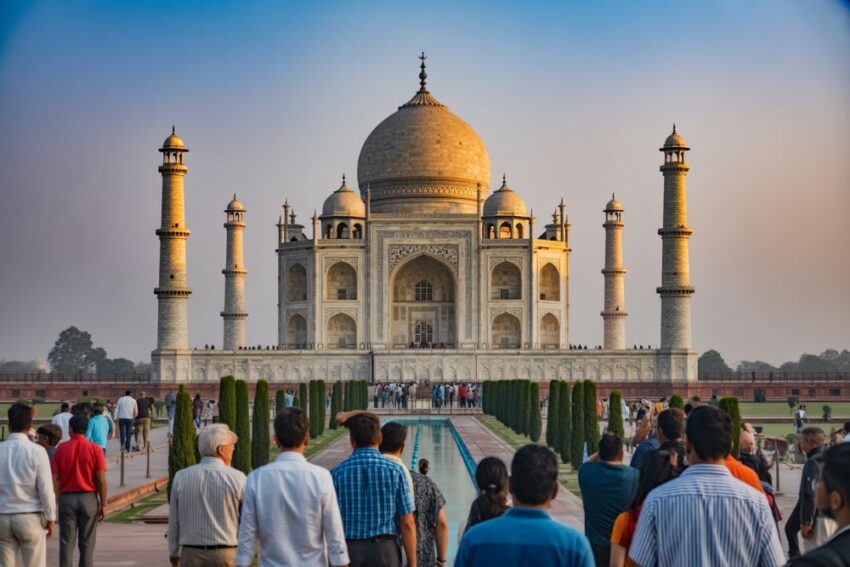
India’s Tourism Growth and Its Impact on Employment by 2036
Overview of Tourism Industry Expansion
India’s tourism and hospitality sector is projected to experience significant growth, generating approximately 6.1 million (61 lakh) new jobs by 2036. This expansion spans from popular destinations such as Goa and Varanasi to emerging regions like Sikkim and rural Rajasthan, reflecting a broadening travel landscape across the country.
Alignment with Sustainable Development Goals (SDGs)
The growth of India’s tourism sector directly supports several United Nations Sustainable Development Goals, including:
- SDG 8: Decent Work and Economic Growth – By creating millions of new jobs, the sector promotes sustained, inclusive economic growth and productive employment.
- SDG 5: Gender Equality – The industry fosters gender-inclusive employment opportunities, aiming to increase women’s participation and leadership roles.
- SDG 12: Responsible Consumption and Production – Emphasis on sustainable tourism practices encourages responsible resource use and environmental stewardship.
- SDG 9: Industry, Innovation, and Infrastructure – Government investments in infrastructure development enhance connectivity and tourism facilities.
Key Drivers of Employment Growth in Tourism
The surge in tourism-related jobs is propelled by multiple factors:
- Domestic Tourism Recovery: Post-pandemic resurgence in domestic travel has increased demand for services nationwide.
- Rising International Tourism: Growing global interest in India’s spiritual, cultural, and adventure tourism sectors attracts foreign visitors.
- Government Infrastructure Investments: Expansion of airports and improved transport networks facilitate tourism growth and job creation.
Contribution to SDGs
These drivers contribute to SDG 8 by fostering economic growth and job creation, and SDG 9 through infrastructure enhancement.
Gender Inclusion in Tourism Employment
The sector’s expansion is marked by a commitment to gender equality. Employment projections estimate:
- 4.6 million jobs for men
- 1.5 million jobs for women
This trend supports SDG 5 by promoting equal opportunities and encouraging women’s advancement into leadership positions within the tourism industry.
Essential Skills for Future Tourism Workforce
To meet evolving industry demands, workforce development must focus on:
- Digital Marketing Skills: Leveraging social media and online platforms to enhance tourism promotion.
- Sustainability Practices: Implementing eco-friendly operations aligned with SDG 12.
- Customer Experience Expertise: Delivering personalized and high-quality services.
Continuous education and training programs are critical to equip workers with these competencies, supporting SDG 4 (Quality Education) and SDG 8.
Emerging Tourism Trends and Job Opportunities
India’s tourism sector is diversifying, creating specialized roles in:
- Medical Tourism: Growth in cities like Delhi and Chennai expands healthcare-related tourism jobs.
- Adventure Tourism: Increased demand for guides and operators in mountainous regions such as Uttarakhand and Himachal Pradesh.
- Cultural Tourism: Rising interest in heritage management and local history in cities like Jaipur, Kolkata, and Lucknow.
SDG Relevance
These trends promote SDG 3 (Good Health and Well-being) through medical tourism, SDG 11 (Sustainable Cities and Communities) via cultural preservation, and SDG 15 (Life on Land) by encouraging responsible adventure tourism.
Regional Job Growth in Key Destinations
Employment opportunities are concentrated in prominent tourism hubs:
- Goa: Hospitality, hotel management, tourism agencies, and transportation services.
- Kerala: Backwater tourism, Ayurvedic wellness, spa therapy, and tour guiding.
- Uttarakhand and Himachal Pradesh: Adventure tourism roles including mountain guides and resort staff.
Government Initiatives Supporting Tourism Employment
The Indian government’s role is pivotal, with programs such as:
- Pradhan Mantri Kaushal Vikas Yojana (PMKVY): Skill development for youth in tourism-related fields.
- Swadesh Darshan Scheme: Infrastructure enhancement at tourist destinations.
These initiatives underpin SDG 8 and SDG 9 by fostering skill development and infrastructure growth.
Future Outlook and Sustainable Development
By 2036, the tourism sector is expected to be a major contributor to India’s GDP, driven by:
- Heritage tourism in Rajasthan
- Beach tourism expansion in Goa
- Spiritual tourism growth in Varanasi
- Eco-tourism and sustainable practices promoting environmental responsibility
- Integration of smart technology and AI in hospitality services
This trajectory aligns with multiple SDGs, including SDG 8, SDG 12, SDG 9, and SDG 13 (Climate Action), ensuring a sustainable, inclusive, and innovative tourism industry.
1. Sustainable Development Goals (SDGs) Addressed or Connected
- SDG 8: Decent Work and Economic Growth
- The article highlights the creation of 61.31 lakh new jobs in India’s tourism and hospitality sector by 2036, emphasizing employment growth and economic development.
- SDG 5: Gender Equality
- Focus on gender inclusion with 15 lakh jobs expected for women and aspirations for women to take leadership roles in tourism.
- SDG 9: Industry, Innovation, and Infrastructure
- Government investments in infrastructure such as airport expansions and improved transport links support tourism growth.
- SDG 4: Quality Education
- Emphasis on continuous education and training programs to equip workers with digital marketing, sustainability, and customer experience skills.
- SDG 12: Responsible Consumption and Production
- Promotion of sustainability practices and eco-tourism as priorities in the growing tourism sector.
- SDG 3: Good Health and Well-being
- Growth of medical tourism attracting international visitors seeking healthcare services.
2. Specific Targets Under Identified SDGs
- SDG 8: Decent Work and Economic Growth
- Target 8.5: Achieve full and productive employment and decent work for all women and men, including young people and persons with disabilities, and equal pay for work of equal value.
- Target 8.3: Promote development-oriented policies that support productive activities, decent job creation, entrepreneurship, creativity, and innovation.
- SDG 5: Gender Equality
- Target 5.5: Ensure women’s full and effective participation and equal opportunities for leadership at all levels of decision-making in political, economic, and public life.
- SDG 9: Industry, Innovation, and Infrastructure
- Target 9.1: Develop quality, reliable, sustainable, and resilient infrastructure to support economic development and human well-being.
- SDG 4: Quality Education
- Target 4.4: Increase the number of youth and adults who have relevant skills, including technical and vocational skills, for employment, decent jobs, and entrepreneurship.
- SDG 12: Responsible Consumption and Production
- Target 12.8: Ensure that people everywhere have the relevant information and awareness for sustainable development and lifestyles in harmony with nature.
- SDG 3: Good Health and Well-being
- Target 3.8: Achieve universal health coverage, including financial risk protection and access to quality essential health-care services.
3. Indicators Mentioned or Implied to Measure Progress
- Employment Numbers
- Number of new jobs created in the tourism and hospitality sector (61.31 lakh by 2036).
- Number of jobs allocated by gender (46 lakh men, 15 lakh women).
- Gender Inclusion
- Proportion of women in leadership roles within the tourism sector.
- Skills Development
- Participation rates in training programs such as Pradhan Mantri Kaushal Vikas Yojana (PMKVY) focused on tourism skills.
- Number of workers trained in digital marketing, sustainability practices, and customer experience expertise.
- Infrastructure Development
- Extent of government investments in tourism infrastructure (airport expansions, transport links, Swadesh Darshan Scheme).
- Sustainability Measures
- Adoption rates of eco-tourism and sustainable tourism practices.
- Tourism Sector Contribution to GDP
- Growth in tourism’s contribution to India’s GDP by 2036.
4. Table: SDGs, Targets and Indicators
| SDGs | Targets | Indicators |
|---|---|---|
| SDG 8: Decent Work and Economic Growth |
|
|
| SDG 5: Gender Equality |
|
|
| SDG 9: Industry, Innovation, and Infrastructure |
|
|
| SDG 4: Quality Education |
|
|
| SDG 12: Responsible Consumption and Production |
|
|
| SDG 3: Good Health and Well-being |
|
|
Source: travelandtourworld.com
What is Your Reaction?
 Like
0
Like
0
 Dislike
0
Dislike
0
 Love
0
Love
0
 Funny
0
Funny
0
 Angry
0
Angry
0
 Sad
0
Sad
0
 Wow
0
Wow
0









