Ireland’s Tourism Sector Rises to the Challenge of Climate Change with a Robust New Adaptation Plan Aimed at Ensuring Resilience and Future Growth – Travel And Tour World
Report on Ireland’s Tourism Sectoral Adaptation Plan and Alignment with Sustainable Development Goals
1.0 Introduction
This report analyzes Ireland’s inaugural Tourism Sectoral Adaptation Plan (SAP), a strategic framework designed to enhance the resilience of the nation’s tourism industry against the impacts of climate change. The plan addresses critical environmental threats while aligning with the United Nations Sustainable Development Goals (SDGs), particularly those concerning climate action, economic growth, and sustainable communities. The tourism sector is a vital component of the Irish economy, and this plan represents a proactive measure to safeguard its long-term viability and sustainability.
2.0 Economic Significance and Contribution to SDG 8
The Irish tourism sector is a significant economic driver, directly supporting the objectives of SDG 8: Decent Work and Economic Growth. The industry’s performance underscores its importance:
- Economic Contribution: In 2024, tourism generated approximately €8.2 billion from international visitors and an additional €3.6 billion from domestic tourism.
- Employment: The sector provides employment for over 228,000 individuals, fostering economic stability in communities across the country.
The SAP aims to protect these economic benefits by ensuring the sector can adapt to climate-related disruptions, thereby securing jobs and promoting sustained, inclusive, and sustainable economic growth.
3.0 Climate-Related Risks and Threats to Sustainable Development
The SAP identifies key climate risks that threaten Ireland’s natural and cultural assets, directly impacting the achievement of several SDGs. These vulnerabilities undermine progress towards SDG 11 (Sustainable Cities and Communities), SDG 13 (Climate Action), SDG 14 (Life Below Water), and SDG 15 (Life on Land).
3.1 Primary Climate Risks
- Flooding: Increased frequency and intensity of flooding endanger tourism infrastructure, heritage sites, and accommodations, many of which are located in vulnerable coastal and riparian zones. This poses a direct threat to community resilience as outlined in SDG 11.5.
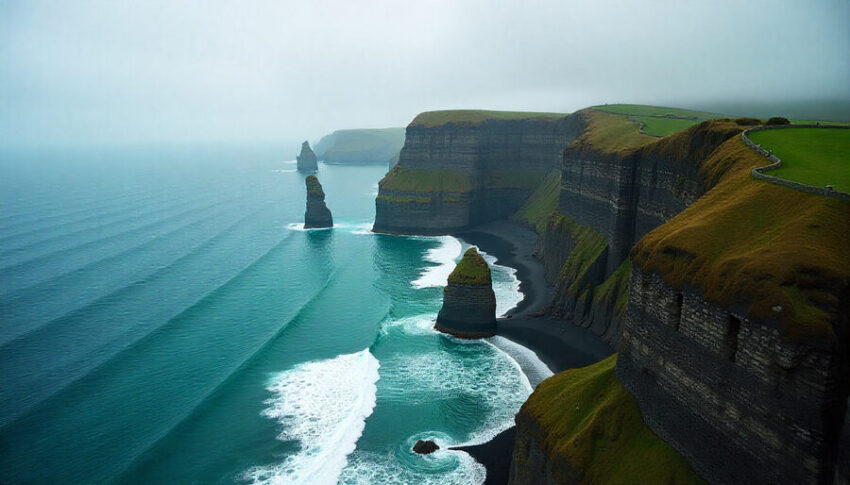
- Coastal Erosion: Accelerated erosion due to rising sea levels and storm surges threatens iconic natural attractions such as the Cliffs of Moher and the Wild Atlantic Way. This degradation of coastal ecosystems conflicts with the conservation goals of SDG 14.
- Extreme Weather Events: The increasing prevalence of severe storms jeopardizes both built and natural heritage, potentially causing irreversible damage and disrupting tourism operations, which is a core concern of SDG 13.1 (strengthening resilience to climate-related hazards).
3.2 Opportunities and Secondary Challenges
The plan acknowledges potential opportunities, such as an extended tourist season resulting from warmer summers. However, it also recognizes associated challenges, including water scarcity and an increased risk of wildfires, which require careful management to ensure sustainable resource use in line with SDG 6 (Clean Water and Sanitation) and SDG 15.
4.0 Strategic Adaptation Framework and SDG Integration
The SAP outlines a multi-faceted strategy for adaptation, with each initiative contributing to specific Sustainable Development Goals. The core strategies are as follows:
- Localized Flood Risk Assessments: Empowering local communities and businesses to develop tailored mitigation strategies directly supports SDG 11.5 by reducing the adverse impacts of natural disasters.
- Nature-Based Solutions: The promotion of solutions such as wetland restoration and the planting of coastal vegetation serves multiple SDGs. These actions enhance climate resilience (SDG 13), conserve coastal and marine ecosystems (SDG 14), and protect terrestrial ecosystems (SDG 15).
- Heritage Conservation Programs: A strong focus on protecting cultural and natural heritage sites from climate impacts is a direct implementation of SDG 11.4 (strengthen efforts to protect and safeguard the world’s cultural and natural heritage).
- Climate-Resilient Infrastructure: Upgrading transport networks and tourism facilities to withstand extreme weather events is crucial for maintaining accessibility and operational continuity, aligning with SDG 9 (Industry, Innovation and Infrastructure).
5.0 Case Study: Sceilg Mhichíl as a Model for Resilience
The UNESCO World Heritage site of Sceilg Mhichíl serves as a practical example of climate adaptation in action. The site faces significant threats from coastal erosion and extreme weather. Ongoing conservation efforts, informed by a Climate Vulnerability Assessment (CVA), demonstrate a successful model for integrating heritage protection with climate resilience. This initiative exemplifies the principles of SDG 11.4 and provides a replicable framework for other vulnerable heritage sites in Ireland.
6.0 Conclusion and Path Forward
The Tourism Sectoral Adaptation Plan provides a comprehensive framework for Ireland to build a climate-resilient tourism industry. Its success hinges on effective collaboration between government bodies, local authorities, and private sector stakeholders, a principle central to SDG 17 (Partnerships for the Goals). By embedding the principles of the Sustainable Development Goals into its climate adaptation strategy, Ireland is not only protecting a vital economic sector but also advancing its commitment to a sustainable and resilient future for all.
Analysis of Sustainable Development Goals in the Article
1. Which SDGs are addressed or connected to the issues highlighted in the article?
- SDG 8: Decent Work and Economic Growth – The article emphasizes the tourism sector’s significant contribution to Ireland’s economy and employment.
- SDG 11: Sustainable Cities and Communities – The plan focuses on protecting cultural and natural heritage sites and building resilient infrastructure.
- SDG 13: Climate Action – The core theme of the article is the development and implementation of a climate adaptation plan for the tourism sector.
- SDG 14: Life Below Water – The article discusses threats to coastal areas, including rising sea levels and erosion, which impact marine and coastal ecosystems.
- SDG 15: Life on Land – The protection of natural landscapes, the risk of wildfires, and the use of nature-based solutions like wetland restoration are discussed.
2. What specific targets under those SDGs can be identified based on the article’s content?
-
SDG 8: Decent Work and Economic Growth
- Target 8.9: “By 2030, devise and implement policies to promote sustainable tourism that creates jobs and promotes local culture and products.” The article directly addresses this by outlining the Tourism Sectoral Adaptation Plan (SAP), which aims to ensure the “future growth” and “continued success” of a sector that supports over 228,000 jobs and generates billions in revenue, thereby safeguarding its economic contributions and employment capacity.
-
SDG 11: Sustainable Cities and Communities
- Target 11.4: “Strengthen efforts to protect and safeguard the world’s cultural and natural heritage.” The article highlights the vulnerability of Ireland’s heritage sites, such as the Cliffs of Moher and the UNESCO site Sceilg Mhichíl, to climate change. The SAP includes “Heritage Conservation Programs” specifically to protect these assets from climate impacts like coastal erosion and extreme weather.
- Target 11.b: “By 2020, substantially increase the number of cities and human settlements adopting and implementing integrated policies and plans towards inclusion, resource efficiency, mitigation and adaptation to climate change, disaster risk reduction…” The entire SAP is a sectoral plan focused on climate change adaptation and resilience. It calls for “localized flood risk assessments” and developing “climate-resilient infrastructure” to reduce the vulnerability of tourism-dependent communities.
-
SDG 13: Climate Action
- Target 13.1: “Strengthen resilience and adaptive capacity to climate-related hazards and natural disasters in all countries.” The article’s central theme is the SAP, a strategy designed to bolster the tourism sector’s resilience against climate risks like flooding, coastal erosion, and extreme weather events. Initiatives such as “nature-based solutions” and “climate-resilient infrastructure” are direct measures to increase adaptive capacity.
- Target 13.2: “Integrate climate change measures into national policies, strategies and planning.” The creation of the “first-ever Tourism Sectoral Adaptation Plan” is a clear example of integrating climate change considerations into a specific national economic sector’s strategy and planning process.
-
SDG 14: Life Below Water
- Target 14.2: “By 2020, sustainably manage and protect marine and coastal ecosystems to avoid significant adverse impacts…” The article details threats to Ireland’s coastlines, such as “rising sea levels” and “coastal erosion,” which affect popular sites like the Wild Atlantic Way. The plan’s inclusion of “Nature-based Solutions” like “planting coastal vegetation” is a direct action aimed at protecting these coastal ecosystems.
-
SDG 15: Life on Land
- Target 15.1: “By 2020, ensure the conservation, restoration and sustainable use of terrestrial and inland freshwater ecosystems and their services…” The SAP’s strategy includes “Nature-based Solutions” such as “restoring wetlands” to mitigate flooding. This directly contributes to the conservation and restoration of inland water ecosystems.
- Target 15.5: “Take urgent and significant action to reduce the degradation of natural habitats…” The plan aims to protect Ireland’s “iconic landscapes” and “natural and built tourism assets” from damage caused by climate change, thereby taking action to prevent the degradation of these natural habitats which are crucial for tourism.
3. Are there any indicators mentioned or implied in the article that can be used to measure progress towards the identified targets?
-
SDG 8: Decent Work and Economic Growth
- Implied Indicator for Target 8.9: The article mentions tourism revenue (€8.2 billion from international visitors, €3.6 billion from domestic) and the number of international visitors (6.6 million). Progress can be measured by tracking these figures to ensure the sector’s economic stability and growth despite climate challenges. The number of jobs supported (228,000) is another key metric.
-
SDG 11: Sustainable Cities and Communities
- Implied Indicator for Target 11.4: The implementation of “Heritage Conservation Programs” and the use of Sceilg Mhichíl as a “model for climate adaptation” suggest that progress could be measured by the number of heritage sites with climate vulnerability assessments and active conservation plans in place.
- Implied Indicator for Target 11.b: The existence and implementation of the “Tourism Sectoral Adaptation Plan (SAP)” is a direct indicator. Further progress can be measured by the number of communities and tourism operators that conduct “localized flood risk assessments” and the extent of investment in “climate-resilient infrastructure.”
-
SDG 13: Climate Action
- Implied Indicator for Target 13.1 & 13.2: The primary indicator is the adoption and implementation of the SAP. Specific, measurable actions within the plan, such as the number of “nature-based solutions” projects initiated (e.g., hectares of wetlands restored) or the mileage of infrastructure upgraded to be climate-resilient, can serve as progress indicators.
-
SDG 14: Life Below Water
- Implied Indicator for Target 14.2: Progress can be measured by the implementation of “Nature-based Solutions” along the coast. An indicator could be the area (in hectares or kilometers) of coastline where protective measures like “planting coastal vegetation” have been implemented to combat erosion.
-
SDG 15: Life on Land
- Implied Indicator for Target 15.1 & 15.5: The number and scale of “Nature-based Solutions” projects, such as the area of “restoring wetlands,” can be used as a direct indicator of progress in conserving and restoring terrestrial ecosystems.
4. Table of SDGs, Targets, and Indicators
| SDGs | Targets | Indicators |
|---|---|---|
| SDG 8: Decent Work and Economic Growth | 8.9: Promote sustainable tourism that creates jobs. | Annual tourism revenue, number of international visitors, and number of jobs supported by the sector. |
| SDG 11: Sustainable Cities and Communities | 11.4: Protect and safeguard the world’s cultural and natural heritage. | Number of heritage sites with implemented conservation and climate adaptation plans. |
| 11.b: Implement integrated policies and plans for climate change adaptation and disaster risk reduction. | Adoption of the Tourism Sectoral Adaptation Plan (SAP); number of localized flood risk assessments completed. | |
| SDG 13: Climate Action | 13.1: Strengthen resilience and adaptive capacity to climate-related hazards. | Number of nature-based solution projects implemented; investment in climate-resilient infrastructure. |
| 13.2: Integrate climate change measures into national policies, strategies and planning. | The formal adoption and implementation of the Tourism Sectoral Adaptation Plan (SAP). | |
| SDG 14: Life Below Water | 14.2: Sustainably manage and protect marine and coastal ecosystems. | Area of coastline protected through nature-based solutions like planting coastal vegetation. |
| SDG 15: Life on Land | 15.1: Ensure the conservation and restoration of terrestrial and inland freshwater ecosystems. | Area (in hectares) of wetlands restored. |
| 15.5: Reduce the degradation of natural habitats. | Implementation of programs to protect iconic landscapes and natural tourism assets from climate impacts. |
Source: travelandtourworld.com
What is Your Reaction?
 Like
0
Like
0
 Dislike
0
Dislike
0
 Love
0
Love
0
 Funny
0
Funny
0
 Angry
0
Angry
0
 Sad
0
Sad
0
 Wow
0
Wow
0