
















Japan Agribusiness Market: Size, Share and Forecast – vocal.media
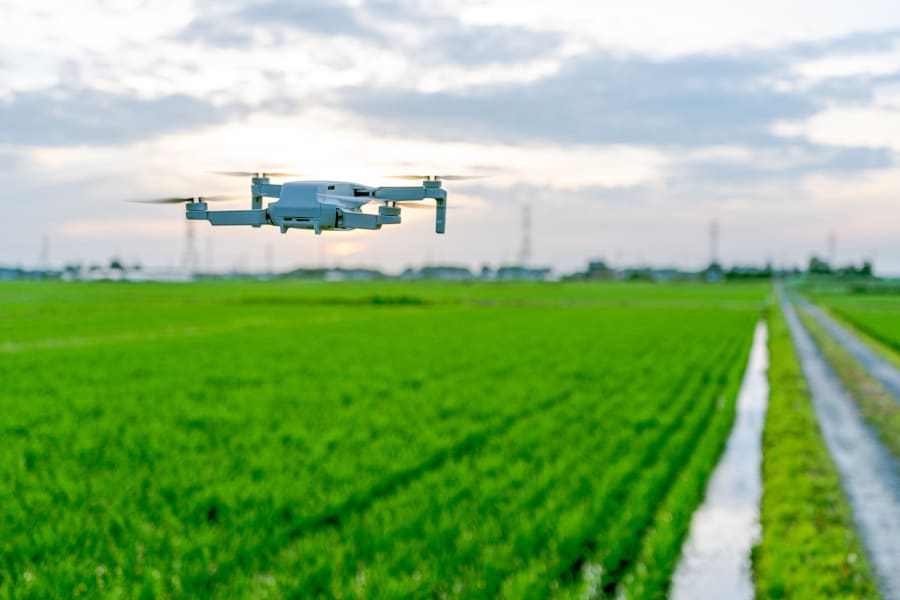
Market Overview
Japan’s agribusiness sector is a critical component of the nation’s food supply ecosystem, encompassing agricultural inputs, crop cultivation, livestock farming, food processing, and distribution. Despite challenges such as an aging farming population, limited arable land, and climate-related risks, the sector is evolving through modernization and innovation. Emphasis is placed on enhancing productivity, sustainability, and long-term food security, aligning closely with the United Nations Sustainable Development Goals (SDGs), particularly SDG 2 (Zero Hunger), SDG 8 (Decent Work and Economic Growth), and SDG 12 (Responsible Consumption and Production).
The market size of Japan’s agribusiness reached USD 206.8 million in 2025 and is projected to grow to USD 262.3 million by 2034. This growth is driven by the adoption of advanced agricultural technologies, government modernization programs, and increasing demand for high-quality domestic agricultural products. Efficiency gains, mechanization, and digital integration across the agricultural value chain are key factors supporting this expansion.
Role of Innovation in Market Development
Smart and Precision Agriculture Adoption
Innovative precision agriculture technologies such as soil sensors, satellite monitoring, and automated irrigation systems are transforming traditional farming practices. These technologies optimize resource use, reduce water consumption and fertilizer waste, and lower operating costs. Such advancements contribute to sustainable agriculture practices, supporting SDG 6 (Clean Water and Sanitation) and SDG 15 (Life on Land).
Automation and Agricultural Machinery
With labor shortages in rural areas, automation through advanced machinery, autonomous tractors, and modern harvesting equipment is increasingly vital. These technologies maintain production levels while reducing manual labor dependence, especially in large-scale and controlled-environment farming like greenhouses. This supports SDG 8 by promoting decent work through mechanization and SDG 9 (Industry, Innovation, and Infrastructure).
Data-Driven Farm Management
Digital farm management platforms enable real-time tracking of crop conditions, weather, and production performance. Data-driven insights enhance planning, risk management, and yield forecasting, improving farm productivity and resilience. This innovation aligns with SDG 9 and SDG 13 (Climate Action) by fostering adaptive and resilient agricultural systems.
Japan Agribusiness Industry Trends and Drivers
-
Modernization of Farming Practices
The sector is transitioning from traditional methods to technology-enabled farming, adopting precision tools, automation, and data-based decision-making to increase yields, reduce costs, and manage resources efficiently. This trend supports SDG 2 and SDG 12.
-
Growing Demand for Sustainable and High-Quality Produce
Consumer preferences are shifting toward sustainably produced, safe, and traceable food. Agribusinesses are expanding organic farming, reducing chemical inputs, and enhancing supply chain transparency, promoting SDG 3 (Good Health and Well-being) and SDG 12.
-
Government Support and Policy Initiatives
Government programs focused on agricultural modernization, rural revitalization, and food security provide subsidies, digital agriculture initiatives, and research collaborations. These efforts facilitate technology adoption and operational efficiency, advancing SDG 1 (No Poverty), SDG 2, and SDG 11 (Sustainable Cities and Communities).
Japan Agribusiness Market Segmentation
By Product Type
- Grains and Cereals
- Oilseeds
- Fruits and Vegetables
- Livestock and Poultry
- Dairy Products
- Others
By Application
- Agricultural Inputs
- Seed and Crop Production
- Livestock Rearing
- Agricultural Machinery and Equipment
- Processing and Distribution
By Region
- Kanto
- Kansai / Kinki
- Chubu
- Kyushu–Okinawa
- Tohoku
- Chugoku
- Hokkaido
- Shikoku
This segmentation reflects the diverse and integrated structure of Japan’s agribusiness ecosystem, encompassing primary production, mechanization, and value-added activities that contribute to sustainable economic growth and food security (SDG 2, SDG 8).
Competitive Landscape
The competitive environment includes agricultural cooperatives, machinery manufacturers, seed and input suppliers, and agri-technology providers. Market positioning depends on technological innovation, product reliability, service quality, and adherence to sustainability standards. Companies offering integrated solutions combining equipment, digital tools, and advisory services are enhancing their market presence, supporting SDG 9 and SDG 12.
Market Outlook
Japan’s agribusiness market is expected to experience steady growth driven by ongoing modernization. Investments in smart farming, mechanization, and sustainable practices will be essential to improving productivity and addressing labor and environmental challenges. The sector will continue to play a vital role in ensuring food security and rural economic stability, contributing to multiple SDGs including SDG 2, SDG 8, and SDG 13.
About IMARC Group
IMARC Group is a leading market research and consulting firm offering strategy development, industry analysis, feasibility studies, and data-driven insights across global markets. The firm supports businesses, investors, and governments in making informed decisions through reliable and actionable research.
1. Sustainable Development Goals (SDGs) Addressed or Connected
- SDG 2: Zero Hunger
- The article discusses food security, agricultural productivity, and sustainable farming practices in Japan, directly relating to ending hunger and achieving food security.
- SDG 8: Decent Work and Economic Growth
- Modernization and mechanization of agriculture support economic growth and address labor shortages, promoting sustained economic development.
- SDG 9: Industry, Innovation, and Infrastructure
- Adoption of smart agriculture technologies, automation, and digital farm management reflects innovation and infrastructure development in the agribusiness sector.
- SDG 12: Responsible Consumption and Production
- Focus on sustainable and high-quality produce, reducing chemical inputs, and improving supply chain transparency aligns with sustainable consumption and production patterns.
- SDG 13: Climate Action
- Efforts to reduce resource waste (water, fertilizers) and manage climate-related risks relate to combating climate change and its impacts.
2. Specific Targets Under Identified SDGs
- SDG 2: Zero Hunger
- Target 2.3: By 2030, double the agricultural productivity and incomes of small-scale food producers through sustainable food production systems and resilient agricultural practices.
- Target 2.4: Ensure sustainable food production systems and implement resilient agricultural practices that increase productivity and production.
- SDG 8: Decent Work and Economic Growth
- Target 8.2: Achieve higher levels of economic productivity through diversification, technological upgrading, and innovation.
- Target 8.3: Promote development-oriented policies that support productive activities and decent job creation.
- SDG 9: Industry, Innovation, and Infrastructure
- Target 9.5: Enhance scientific research, upgrade technological capabilities, and encourage innovation in all sectors.
- SDG 12: Responsible Consumption and Production
- Target 12.2: Achieve sustainable management and efficient use of natural resources.
- Target 12.6: Encourage companies to adopt sustainable practices and integrate sustainability information into their reporting cycle.
- SDG 13: Climate Action
- Target 13.1: Strengthen resilience and adaptive capacity to climate-related hazards and natural disasters.
3. Indicators Mentioned or Implied to Measure Progress
- Indicators Related to SDG 2
- Increase in agricultural productivity and market size (e.g., market size growth from USD 206.8 million in 2025 to USD 262.3 million in 2034).
- Adoption rates of precision agriculture and sustainable farming practices (implied through technology adoption and organic farming expansion).
- Indicators Related to SDG 8
- Labor productivity improvements through mechanization and automation.
- Employment levels in agribusiness and rural economic stability (implied by addressing labor shortages).
- Indicators Related to SDG 9
- Number and extent of technology adoption such as smart agriculture tools, autonomous tractors, and digital farm management platforms.
- Investment levels in research collaborations and government modernization programs.
- Indicators Related to SDG 12
- Reduction in chemical inputs and water consumption (implied by precision agriculture and sustainable practices).
- Traceability and transparency in supply chains (implied by consumer demand for safe and traceable food).
- Indicators Related to SDG 13
- Measures of resource efficiency such as water and fertilizer use reduction.
- Resilience to climate-related risks (implied by risk management and adaptive technologies).
4. Table of SDGs, Targets, and Indicators
| SDGs | Targets | Indicators |
|---|---|---|
| SDG 2: Zero Hunger |
|
|
| SDG 8: Decent Work and Economic Growth |
|
|
| SDG 9: Industry, Innovation, and Infrastructure |
|
|
| SDG 12: Responsible Consumption and Production |
|
|
| SDG 13: Climate Action |
|
|
Source: vocal.media
What is Your Reaction?
 Like
0
Like
0
 Dislike
0
Dislike
0
 Love
0
Love
0
 Funny
0
Funny
0
 Angry
0
Angry
0
 Sad
0
Sad
0
 Wow
0
Wow
0