Lina Quesada-Ocampo Named Executive Director of the IR-4 Project – NC State University
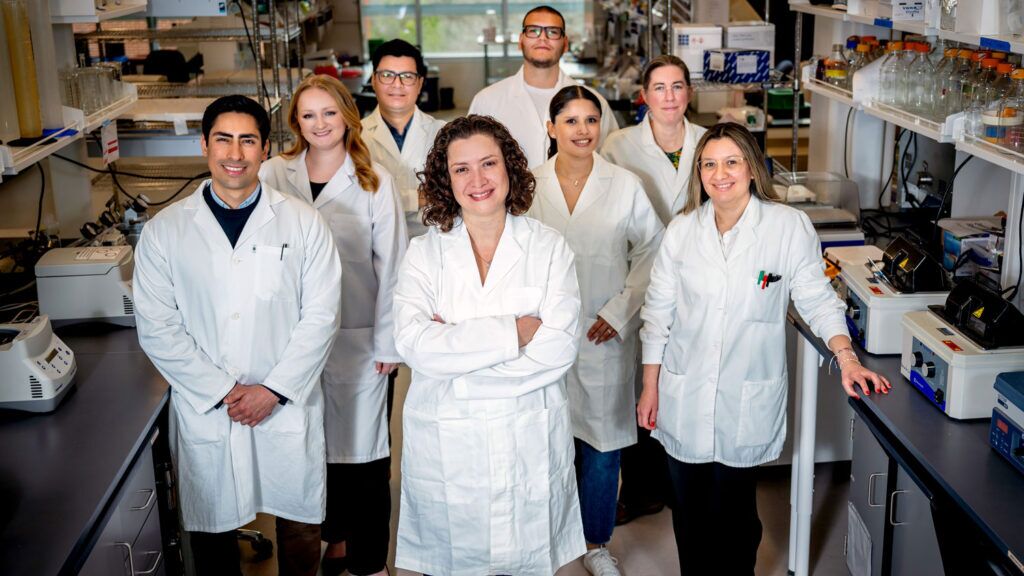
Appointment of Lina Quesada-Ocampo as Executive Director of the IR-4 Project
RALEIGH, N.C. — Lina Quesada-Ocampo, a vegetable pathologist and Extension specialist at NC State University, has been appointed as the new executive director of the IR-4 Project, effective March 9. The IR-4 Project, a federally funded program headquartered at NC State, supports specialty crop growers by facilitating the development and registration of safe and effective pest management tools for fruits, vegetables, nuts, flowers, and nursery crops.
IR-4 Project and Its Alignment with Sustainable Development Goals
The IR-4 Project plays a critical role in advancing several United Nations Sustainable Development Goals (SDGs), including:
- SDG 2: Zero Hunger – by ensuring specialty crop growers have access to pest management tools that protect crop yields and food security.
- SDG 3: Good Health and Well-being – through promoting safe pest management practices that protect consumers and farmworkers.
- SDG 12: Responsible Consumption and Production – by facilitating the registration of environmentally safe pest control products.
- SDG 15: Life on Land – by supporting sustainable agriculture and protecting biodiversity through effective pest management.
Professional Background of Lina Quesada-Ocampo
Quesada-Ocampo brings over 15 years of experience in applied pest management research and Extension services. She previously served as a William Neal Reynolds Distinguished Professor and Extension specialist in vegetable pathology at NC State University, where she led the Quesada Lab and secured over $55 million in career funding, including a $700,000 endowment established by growers.

Vision and Commitment as Executive Director
As executive director, Quesada-Ocampo is committed to advancing the IR-4 Project’s mission by:
- Strengthening collaborations among growers, researchers, and regulatory bodies.
- Accelerating regulatory timelines to ensure timely access to pest management tools.
- Maintaining a focus on the needs of specialty crop growers nationwide.
This vision supports the SDGs by promoting sustainable agricultural practices and improving the livelihoods of farming communities.
Quesada-Ocampo’s Contributions to Specialty Crop Pest Management
Quesada-Ocampo has a longstanding relationship with the specialty crop community, having developed improved disease management strategies for crops such as cucurbits and sweetpotatoes. Her lab’s research has been instrumental in:
- Generating data required by the U.S. Environmental Protection Agency for product registrations.
- Helping sweetpotato growers manage black rot following a severe outbreak in 2015.
- Resolving international trade barriers to preserve sweetpotato exports through USDA Foreign Agricultural Service grants.
Her work exemplifies the SDG principles of innovation (SDG 9) and partnerships for the goals (SDG 17), by responding directly to grower needs and fostering collaborative solutions.
Leadership Transition and Legacy
Quesada-Ocampo succeeds Jerry Baron, who retired in January 2026 after a distinguished 40-year career leading the IR-4 Project. During her early career, Quesada-Ocampo collaborated with Baron and IR-4 biologists to address the black rot outbreak in sweetpotatoes by securing emergency and permanent fungicide labels, enabling the industry’s recovery.
This collaboration highlights the importance of sustained leadership and knowledge transfer in achieving SDG targets related to sustainable agriculture and food security.
About the IR-4 Project
The IR-4 Project, established by the U.S. Department of Agriculture in 1963, is a federally funded program dedicated to assisting specialty crop growers with their unique pest management needs. By facilitating the registration of safe and effective pest management tools, IR-4 ensures the availability of healthy fruits, vegetables, plants, and other minor crops essential to public well-being.
For more information, visit ir4project.org.
Report by Hannah Ross, N.C. State University
1. Sustainable Development Goals (SDGs) Addressed or Connected
- SDG 2: Zero Hunger
- The article focuses on supporting specialty crop growers by facilitating safe and effective pest management tools, which contributes to sustainable agriculture and food security.
- SDG 3: Good Health and Well-being
- Ensuring safe pest management tools helps reduce harmful chemical residues on food, promoting health and well-being.
- SDG 12: Responsible Consumption and Production
- The IR-4 Project’s work on registering safe pest management products supports sustainable production practices.
- SDG 15: Life on Land
- By managing pests effectively and safely, the project helps protect ecosystems and biodiversity in agricultural landscapes.
- SDG 17: Partnerships for the Goals
- The article highlights collaboration among growers, researchers, regulatory agencies, and federal programs, exemplifying partnerships to achieve sustainable development.
2. Specific Targets Under Those SDGs Identified
- SDG 2: Zero Hunger
- Target 2.3: By 2030, double the agricultural productivity and incomes of small-scale food producers, including through secure and equal access to resources and knowledge.
- Target 2.4: Ensure sustainable food production systems and implement resilient agricultural practices.
- SDG 3: Good Health and Well-being
- Target 3.9: Reduce the number of deaths and illnesses from hazardous chemicals and air, water, and soil pollution and contamination.
- SDG 12: Responsible Consumption and Production
- Target 12.4: Achieve the environmentally sound management of chemicals and all wastes throughout their life cycle.
- SDG 15: Life on Land
- Target 15.1: Ensure the conservation, restoration, and sustainable use of terrestrial ecosystems.
- SDG 17: Partnerships for the Goals
- Target 17.16: Enhance the global partnership for sustainable development, complemented by multi-stakeholder partnerships.
3. Indicators Mentioned or Implied to Measure Progress
- SDG 2 Indicators
- Indicator 2.3.1: Volume of production per labor unit by classes of farming/pastoral/forestry enterprise size.
- Indicator 2.4.1: Proportion of agricultural area under productive and sustainable agriculture.
- SDG 3 Indicators
- Indicator 3.9.1: Mortality rate attributed to household and ambient air pollution (implied through safe pest management reducing chemical exposure).
- SDG 12 Indicators
- Indicator 12.4.2: Hazardous waste generated per capita and proportion of hazardous waste treated, by type of treatment.
- SDG 15 Indicators
- Indicator 15.1.1: Forest area as a proportion of total land area (implied through sustainable pest management protecting ecosystems).
- SDG 17 Indicators
- Indicator 17.16.1: Number of countries reporting progress in multi-stakeholder development effectiveness monitoring frameworks.
4. Table of SDGs, Targets, and Indicators
| SDGs | Targets | Indicators |
|---|---|---|
| SDG 2: Zero Hunger |
|
|
| SDG 3: Good Health and Well-being |
|
|
| SDG 12: Responsible Consumption and Production |
|
|
| SDG 15: Life on Land |
|
|
| SDG 17: Partnerships for the Goals |
|
|
Source: morningagclips.com
What is Your Reaction?
 Like
0
Like
0
 Dislike
0
Dislike
0
 Love
0
Love
0
 Funny
0
Funny
0
 Angry
0
Angry
0
 Sad
0
Sad
0
 Wow
0
Wow
0