





































Mexico’s Mazahua Community Combats Modern Challenges with Sustainable Tourism in Monarch Butterfly Region – Travel And Tour World
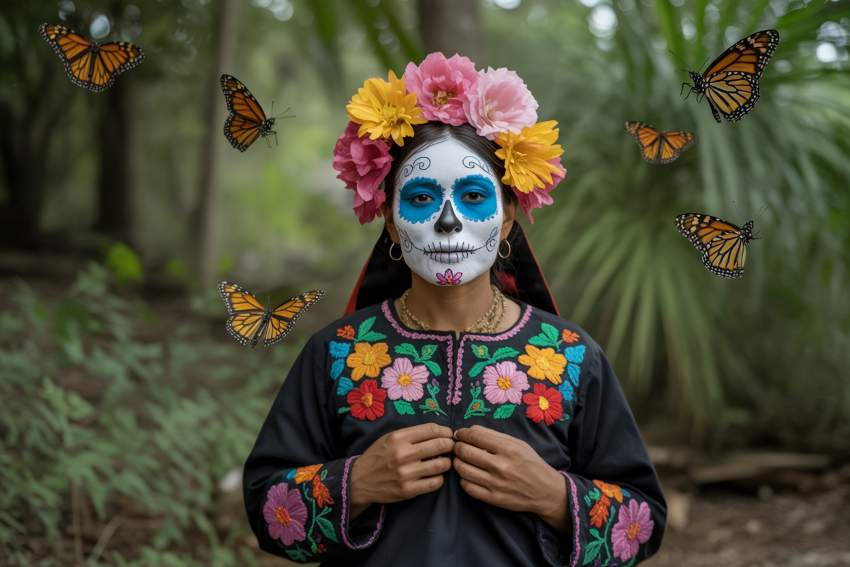
Mazahua Community in Mexico Advances Sustainable Tourism Amid Modern Challenges
Introduction
Located in the Michoacán highlands of Mexico, the Mazahua community, with origins tracing back to the 12th century, continues to uphold its rich cultural heritage through traditional artisan crafts. This report highlights the community’s efforts to address contemporary challenges by leveraging sustainable tourism, aligning with several Sustainable Development Goals (SDGs), including SDG 8 (Decent Work and Economic Growth), SDG 11 (Sustainable Cities and Communities), and SDG 15 (Life on Land).
Preservation of Cultural Heritage Through Artisan Crafts
The Mazahua people are renowned for their unique cross-stitch technique called lomillo. Artisans such as Lucila Marín García and her family employ vintage sewing machines to create hand-embroidered shawls, skirts, and sashes, preserving centuries-old traditions.
- The artisan work is a collaborative effort among five local families.
- Traditional clothing plays a vital role in community events, including the Day of the Dead celebrations.
- Each garment requires approximately three hours to complete, emphasizing quality and cultural expression.
This cultural preservation supports SDG 4 (Quality Education) by passing knowledge across generations and SDG 8 by fostering local economic opportunities.
Economic and Social Challenges
Economic pressures have led many community members, particularly men, to seek employment abroad, notably in the United States. This migration affects local family dynamics and the regional economy, underscoring the need for sustainable local development aligned with SDG 10 (Reduced Inequalities) and SDG 8.
The Monarch Butterfly Migration and Environmental Concerns
The annual migration of millions of monarch butterflies to Michoacán’s forests is a significant cultural and spiritual event for the Mazahua people, symbolizing returning souls during the Day of the Dead. However, the butterfly colonies have drastically reduced from 40 acres in the 1990s to just 2.2 acres today.
- Primary causes include climate change and habitat loss.
- This decline threatens both biodiversity and the cultural practices linked to the butterflies.
These challenges relate directly to SDG 13 (Climate Action) and SDG 15 (Life on Land), highlighting the need for environmental conservation.
Casa de la Cultura Mazahua: Promoting Sustainable Cultural Tourism
In response to these challenges, the Casa de la Cultura Mazahua was inaugurated in September by Cultural Sanctuaries, led by Chris Rainier and Olivia McKendrick. This cultural center aims to:
- Preserve and promote Mazahua traditions.
- Develop community-based sustainable tourism.
- Provide workshops and cultural experiences for visitors at an accessible fee.
- Empower local artisans by creating sustainable income sources.
The initiative supports SDG 8 (Decent Work and Economic Growth), SDG 11 (Sustainable Cities and Communities), and SDG 12 (Responsible Consumption and Production).
Additionally, partnerships with tourism operators have introduced innovative access routes, such as a helicopter transfer from Mexico City, enhancing connectivity while respecting the community’s cultural integrity.
Spiritual and Environmental Connection
The Mazahua community maintains a profound relationship with their natural environment, exemplified by the traditional temazcal sweat lodge ceremonies led by local elder Jesús González Villareal (Don Chuy). These ceremonies:
- Symbolize renewal, cleansing, and spiritual unity.
- Invoke respect for nature and the forest spirits through ritual acts.
- Highlight the community’s commitment to environmental stewardship.
This connection aligns with SDG 15 (Life on Land) and SDG 3 (Good Health and Well-being).
Challenges to Sustainable Development
Despite promising initiatives, the region faces significant obstacles:
- Security concerns due to criminal cartel activity deter tourism and threaten local livelihoods.
- Illegal logging and environmental mismanagement endanger forest ecosystems critical to monarch butterflies and community well-being.
- Economic pressures from migration continue to affect social structures.
Addressing these challenges requires integrated approaches supporting SDG 16 (Peace, Justice and Strong Institutions) and SDG 15.
Conclusion and Call to Action
The Mazahua community’s efforts through the Casa de la Cultura Mazahua demonstrate how sustainable tourism can serve as a vehicle for cultural preservation, economic development, and environmental conservation. By embracing community-led initiatives, the Mazahua people contribute to multiple SDGs, including:
- SDG 4: Quality Education
- SDG 8: Decent Work and Economic Growth
- SDG 11: Sustainable Cities and Communities
- SDG 12: Responsible Consumption and Production
- SDG 13: Climate Action
- SDG 15: Life on Land
- SDG 16: Peace, Justice and Strong Institutions
Continued support and sustainable practices are essential to ensure that this vibrant cultural heritage thrives amid environmental and socio-economic challenges, offering meaningful experiences for future generations of travelers and artisans alike.
1. Sustainable Development Goals (SDGs) Addressed in the Article
- SDG 1: No Poverty – The article discusses economic challenges faced by the Mazahua community and efforts to create sustainable income through cultural tourism.
- SDG 8: Decent Work and Economic Growth – The promotion of artisan crafts and community-based tourism aims to generate employment and economic opportunities locally.
- SDG 11: Sustainable Cities and Communities – Preservation of cultural heritage and promotion of sustainable tourism contribute to resilient and sustainable communities.
- SDG 12: Responsible Consumption and Production – The focus on traditional artisan crafts and sustainable tourism practices aligns with responsible production and consumption.
- SDG 13: Climate Action – The article highlights climate change impacts on monarch butterfly migration and the community’s response to environmental challenges.
- SDG 15: Life on Land – Conservation of forests and monarch butterfly habitats is central to the article, emphasizing biodiversity protection and sustainable ecosystem management.
- SDG 16: Peace, Justice and Strong Institutions – The mention of criminal cartel influence and its impact on safety and tourism relates to promoting peaceful and inclusive societies.
2. Specific Targets Under the Identified SDGs
- SDG 1 – No Poverty
- Target 1.2: Reduce poverty in all its dimensions through sustainable livelihoods.
- SDG 8 – Decent Work and Economic Growth
- Target 8.3: Promote development-oriented policies that support productive activities, decent job creation, entrepreneurship, and innovation.
- Target 8.9: Promote sustainable tourism that creates jobs and promotes local culture and products.
- SDG 11 – Sustainable Cities and Communities
- Target 11.4: Strengthen efforts to protect and safeguard the world’s cultural and natural heritage.
- SDG 12 – Responsible Consumption and Production
- Target 12.2: Achieve sustainable management and efficient use of natural resources.
- SDG 13 – Climate Action
- Target 13.1: Strengthen resilience and adaptive capacity to climate-related hazards and natural disasters.
- SDG 15 – Life on Land
- Target 15.1: Ensure conservation, restoration, and sustainable use of terrestrial ecosystems, forests, and biodiversity.
- Target 15.5: Take urgent action to reduce degradation of natural habitats and halt biodiversity loss.
- SDG 16 – Peace, Justice and Strong Institutions
- Target 16.1: Significantly reduce all forms of violence and related death rates everywhere.
3. Indicators Mentioned or Implied in the Article to Measure Progress
- Indicator for SDG 1.2: Proportion of population living below the national poverty line, implied through economic challenges and migration patterns.
- Indicators for SDG 8.3 and 8.9:
- Number of jobs created in sustainable tourism and artisan crafts.
- Revenue generated from cultural tourism initiatives such as Casa de la Cultura Mazahua.
- Indicator for SDG 11.4: Number of cultural heritage sites preserved and promoted, implied by the establishment of Casa de la Cultura Mazahua.
- Indicator for SDG 12.2: Sustainable use of natural resources, implied by community-based tourism and artisan production methods.
- Indicators for SDG 13.1: Changes in monarch butterfly migration patterns and habitat size as a measure of climate impact and ecosystem resilience.
- Indicators for SDG 15.1 and 15.5:
- Area of forest habitat preserved (noted decline from 40 acres to 2.2 acres of butterfly colonies).
- Incidence of illegal logging and environmental degradation.
- Indicator for SDG 16.1: Number of security incidents or crime rates affecting tourism and local safety, implied by references to cartel influence.
4. Table of SDGs, Targets, and Indicators
| SDGs | Targets | Indicators |
|---|---|---|
| SDG 1: No Poverty | Target 1.2: Reduce poverty through sustainable livelihoods. | Proportion of population below poverty line; migration patterns indicating economic pressure. |
| SDG 8: Decent Work and Economic Growth |
Target 8.3: Promote productive activities and decent jobs. Target 8.9: Promote sustainable tourism and local culture. |
Number of jobs in artisan crafts and tourism; income from cultural tourism initiatives. |
| SDG 11: Sustainable Cities and Communities | Target 11.4: Protect and safeguard cultural and natural heritage. | Number of cultural heritage sites preserved; establishment and activities of Casa de la Cultura Mazahua. |
| SDG 12: Responsible Consumption and Production | Target 12.2: Sustainable management and use of natural resources. | Use of traditional artisan production methods; sustainable tourism practices. |
| SDG 13: Climate Action | Target 13.1: Strengthen resilience to climate hazards. | Changes in monarch butterfly migration and habitat size; community adaptation initiatives. |
| SDG 15: Life on Land |
Target 15.1: Conservation and sustainable use of terrestrial ecosystems. Target 15.5: Reduce degradation of natural habitats and biodiversity loss. |
Forest area preserved; monarch butterfly colony size (decline from 40 acres to 2.2 acres); incidence of illegal logging. |
| SDG 16: Peace, Justice and Strong Institutions | Target 16.1: Reduce violence and improve safety. | Security incidents affecting tourism; impact of criminal cartel activity on local safety. |
Source: travelandtourworld.com
What is Your Reaction?
 Like
0
Like
0
 Dislike
0
Dislike
0
 Love
0
Love
0
 Funny
0
Funny
0
 Angry
0
Angry
0
 Sad
0
Sad
0
 Wow
0
Wow
0