








































PNW launches Indiana specialty license plate to support student scholarships – GreatNews.Life
Purdue University Northwest License Plate Initiative: A Report on Advancing Sustainable Development Goals
Introduction
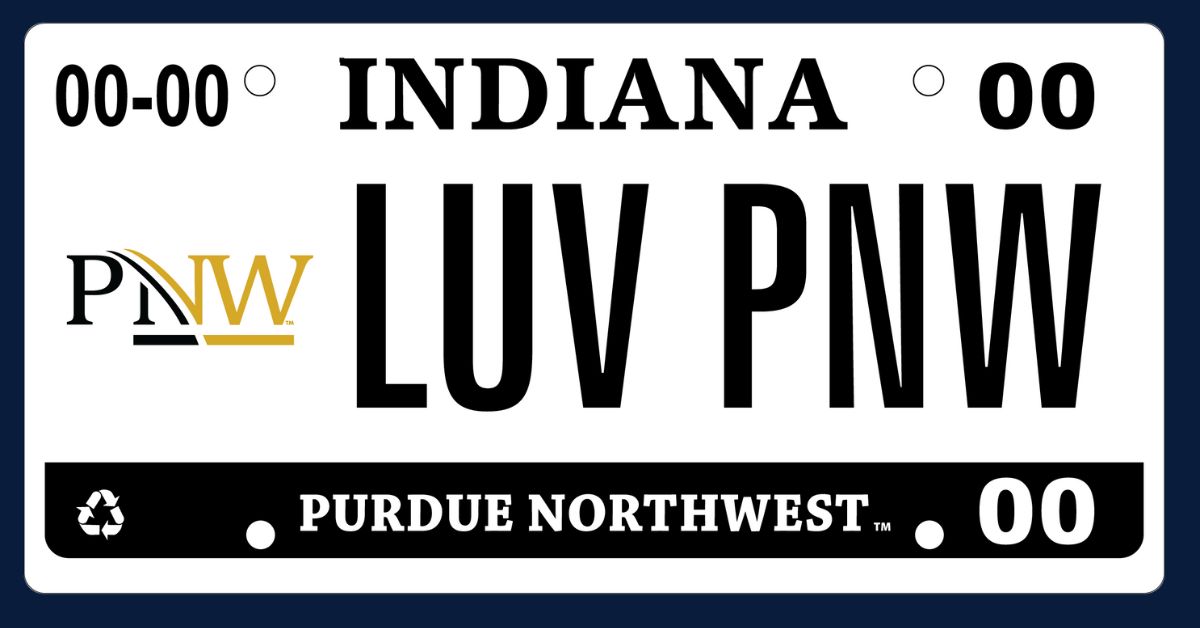
Purdue University Northwest (PNW) has launched a special group recognition license plate program in partnership with the Indiana Bureau of Motor Vehicles (BMV), commencing in January 2026. This initiative is designed to generate a sustainable funding stream for student scholarships, directly contributing to several United Nations Sustainable Development Goals (SDGs), most notably SDG 4 (Quality Education). The program enables PNW stakeholders, including alumni, students, faculty, and supporters, to invest in the future of Indiana resident students, thereby advancing regional socioeconomic mobility and sustainable development.
Alignment with Sustainable Development Goal 4: Quality Education
The primary objective of the PNW license plate program is to advance SDG 4 by ensuring inclusive and equitable quality education and promoting lifelong learning opportunities. Proceeds from the plate sales directly fund scholarships, which address key targets within this goal.
- Target 4.3: Equal Access to Affordable Education: The program directly tackles financial barriers to higher education. By providing scholarships, PNW makes tertiary education more accessible and affordable, helping to ensure equal access for all.
- Target 4.b: Expand Scholarships: This initiative represents a significant expansion of scholarship availability for students at PNW, directly supporting the development of human capital within the region.
- Fostering Equity: According to Lisa Goodnight, Vice Chancellor for Institutional Advancement, these scholarships are crucial for “unlocking educational opportunities,” thereby reducing inequality in access to higher education for students who might otherwise be excluded due to financial constraints.
Broader Impact on SDGs 8, 10, and 1
The initiative’s impact extends beyond SDG 4, creating a positive ripple effect that supports other critical sustainable development objectives.
- SDG 8 (Decent Work and Economic Growth): By facilitating higher education, the program equips students with the skills necessary for productive employment and decent work. As an institution recognized for advancing the socioeconomic mobility of its students, PNW contributes to sustained, inclusive economic growth in Northwest Indiana.
- SDG 10 (Reduced Inequalities): The scholarship fund is a direct mechanism for reducing inequalities within and among communities. It provides essential financial support that enhances opportunities for students from various socioeconomic backgrounds, promoting social and economic inclusion.
- SDG 1 (No Poverty): Education is a fundamental pathway out of poverty. By investing in students’ futures, the program serves as a long-term strategy for poverty reduction, empowering individuals and their communities.
Program Mechanics and Partnership for the Goals (SDG 17)
This program exemplifies SDG 17 (Partnerships for the Goals) by creating a multi-stakeholder collaboration between an academic institution (PNW), a government body (Indiana BMV), and the wider community. This partnership is essential for mobilizing financial resources for sustainable development.
Program Details
- Availability: Starting January 2026.
- Design: Features PNW’s official gold and black colors and logo.
- Cost Structure: A $40 group license plate fee is required upon purchase or renewal.
- Contribution to Scholarships: Of the total fee, $25 is directly allocated to the PNW student scholarship fund.
Acquisition Process
Interested parties may acquire the PNW license plate through one of the following official channels:
- Online via myBMV.com during a registration or renewal transaction.
- At a BMV Connect kiosk.
- In person at any Indiana BMV branch.
Sustainable Development Goals (SDGs) Addressed in the Article
- SDG 4: Quality Education – The article’s primary focus is on funding scholarships to make higher education more accessible and affordable.
- SDG 10: Reduced Inequalities – The initiative aims to provide educational opportunities to students who might otherwise be unable to afford them, thereby reducing inequalities in access to higher education.
- SDG 1: No Poverty – By relieving financial burdens and enhancing socioeconomic mobility through education, the program indirectly contributes to poverty reduction.
Specific SDG Targets Identified
-
Target 4.3: Ensure equal access to affordable and quality tertiary education
- The article directly addresses this target by describing a program designed to “help fund scholarships at PNW, making higher education more accessible and affordable for students.” The initiative’s goal is to “relieve financial burdens and enhance opportunities for PNW students,” which aligns with ensuring equal access to university education based on financial capability.
-
Target 10.2: Promote social and economic inclusion
- The program supports this target by working to overcome financial barriers to education. The article states that for many students, “scholarships are the key to unlocking educational opportunities they might not otherwise be able to access.” By providing this access, the program promotes the economic inclusion of students regardless of their financial background.
-
Target 1.2: Reduce poverty in all its dimensions
- The article connects to this target through the long-term impact of education on poverty. It notes that PNW “advances the socioeconomic mobility of its students.” By providing scholarships that “relieve financial burdens,” the program helps students gain an education that is a critical pathway out of poverty.
Indicators for Measuring Progress
-
Financial Contribution to Scholarships
- The article provides a specific, measurable indicator for the funds raised. It states that from the “$40 group license plate fee, $25 of which is distributed back to PNW to support student scholarships.” This amount can be tracked per plate sold to measure the total financial resources mobilized for education.
-
Number of Specialty License Plates Sold
- An implied indicator is the total number of PNW license plates purchased or renewed starting in January 2026. This number directly correlates with the total funds raised and serves as a measure of community support and program success.
-
Number of Students Receiving Scholarships
- The article implies that the ultimate measure of success is the impact on students. Therefore, a key indicator would be the number of students who receive scholarships funded by the proceeds from the license plate program. This measures the direct reach and impact of the initiative.
Summary of Findings
| SDGs | Targets | Indicators |
|---|---|---|
| SDG 4: Quality Education | 4.3: By 2030, ensure equal access for all women and men to affordable and quality technical, vocational and tertiary education, including university. |
|
| SDG 10: Reduced Inequalities | 10.2: By 2030, empower and promote the social, economic and political inclusion of all, irrespective of age, sex, disability, race, ethnicity, origin, religion or economic or other status. |
|
| SDG 1: No Poverty | 1.2: By 2030, reduce at least by half the proportion of men, women and children of all ages living in poverty in all its dimensions according to national definitions. |
|
Source: greatnews.life
What is Your Reaction?
 Like
0
Like
0
 Dislike
0
Dislike
0
 Love
0
Love
0
 Funny
0
Funny
0
 Angry
0
Angry
0
 Sad
0
Sad
0
 Wow
0
Wow
0